
 Gas fireplace service
 Sweep & inspection
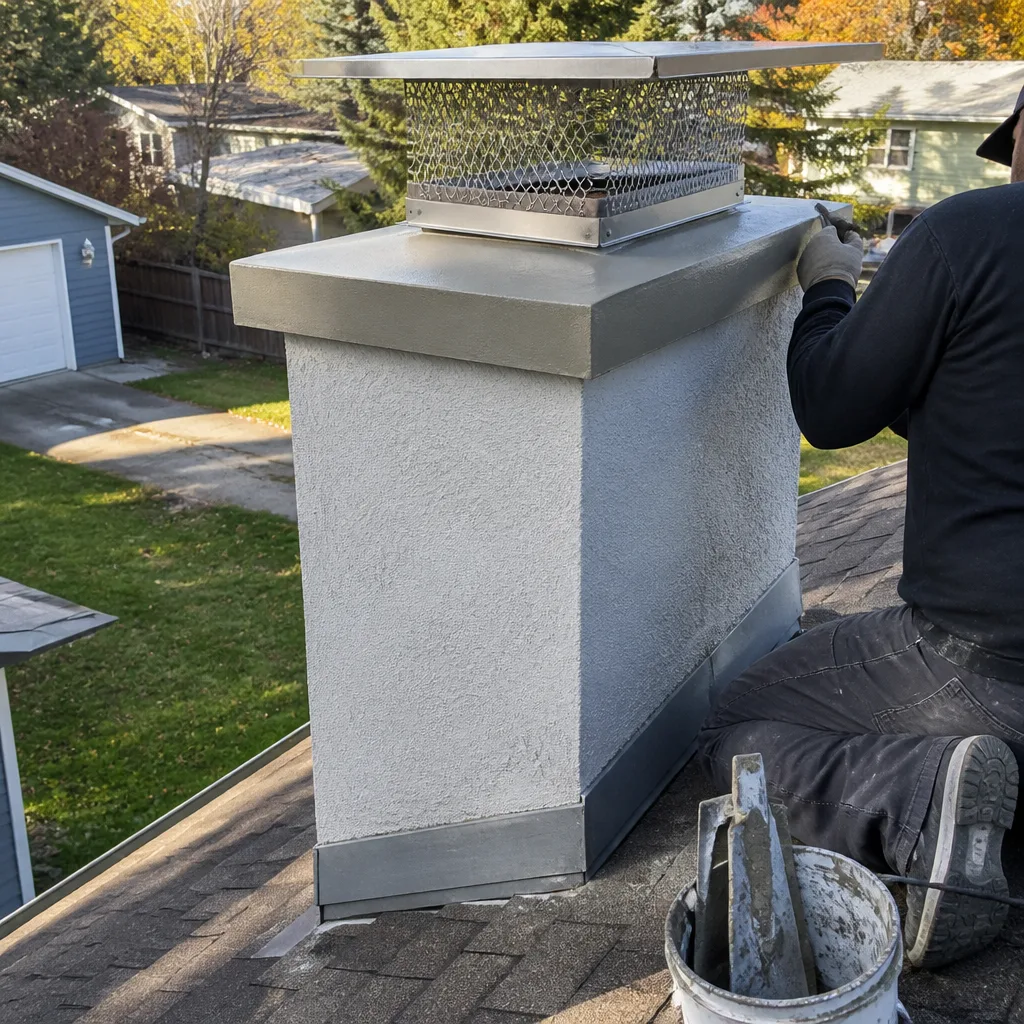
 Caps & crowns
 Flue relining
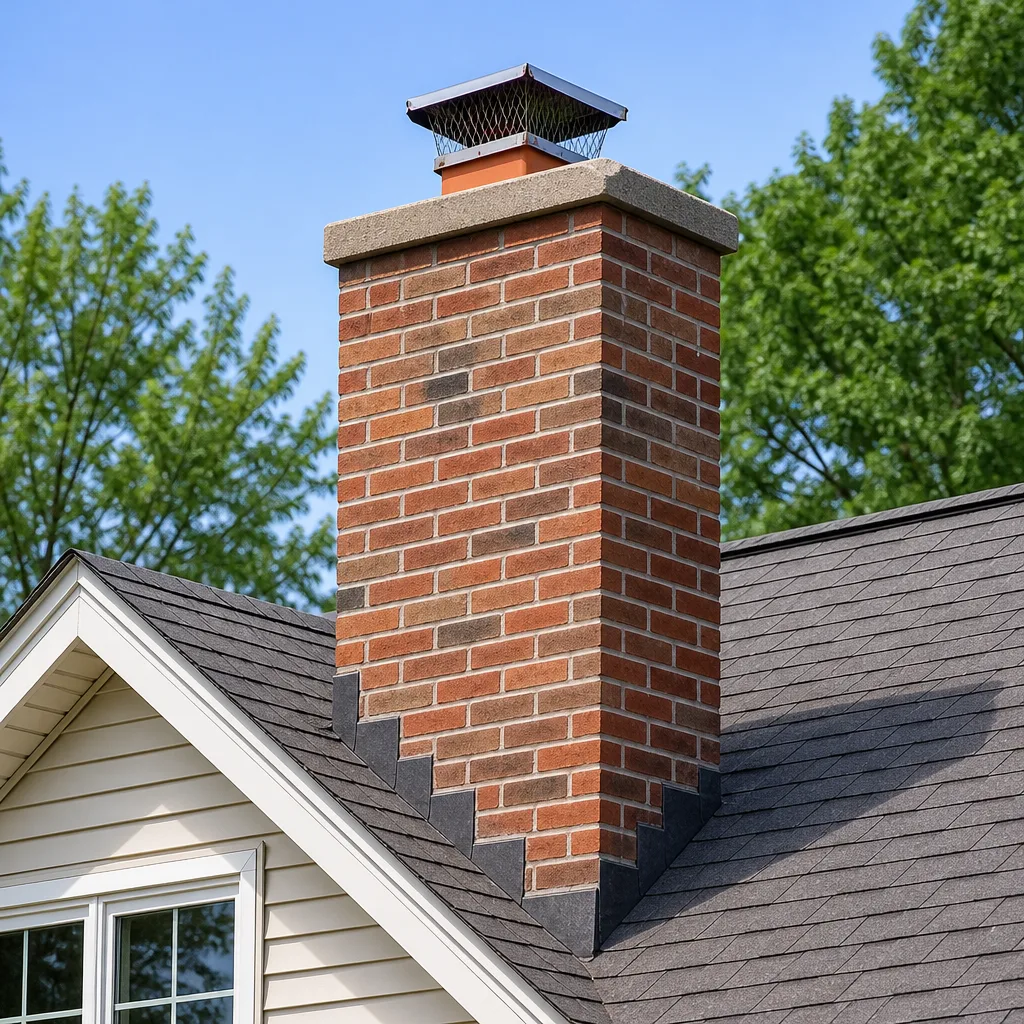 Masonry repair
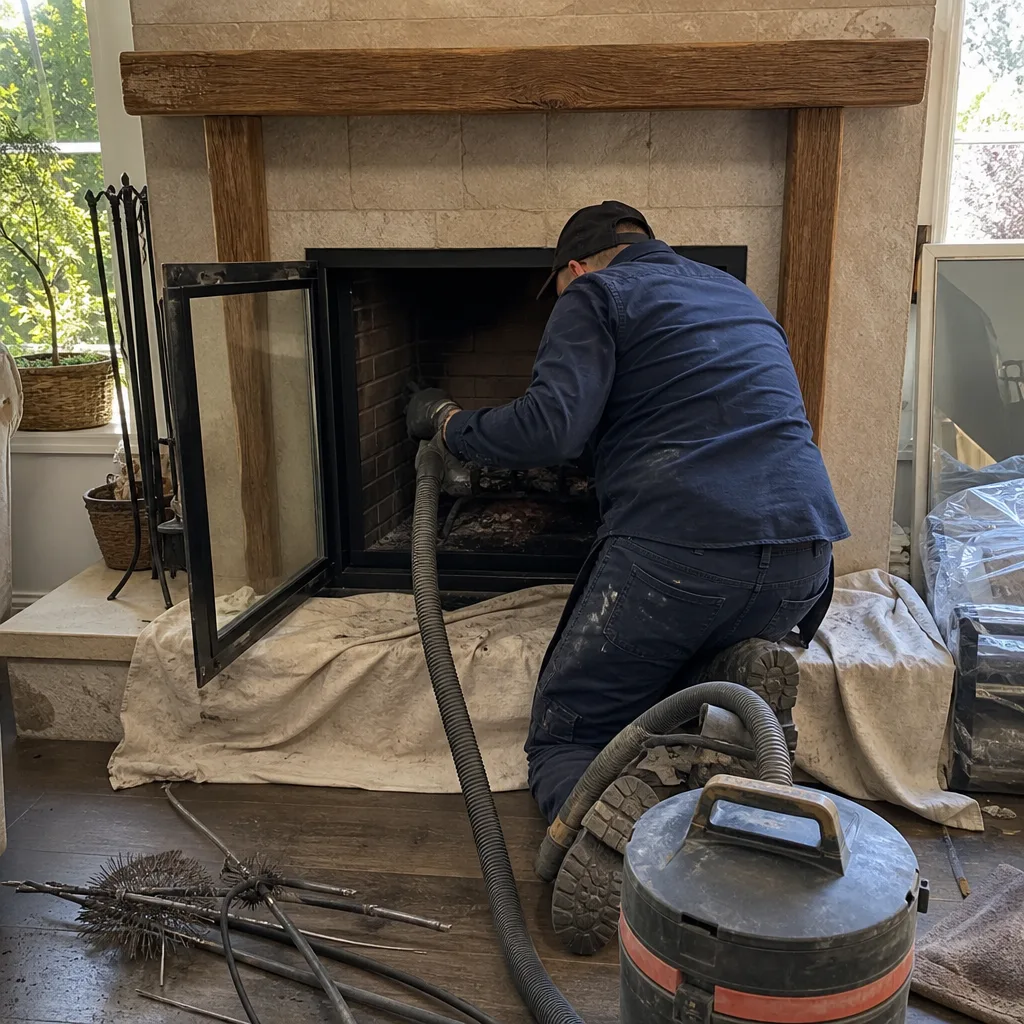
Level 1 sweep and inspection to the NFPA 211 annual standard - flue, crown, cap, and flashing checked and photographed
Chimney sweep logs do not sweep chimneys. They loosen some creosote - which then falls where a brush and vacuum still have to collect it.
Why Rancho Cordova Homeowners Choose HeatShield Chimney Cleaning
We provide independent HeatShield chimney cleaning and firebox repair service across Rancho Cordova, and the reason most homeowners call us is specific: their HeatShield resurfacing layer is failing and they need an honest read on whether it can be saved. We also offer HeatShield repair in Rancho Cordova for homes with more extensive damage. A HeatShield firebox that’s delaminating, spalling, or cracking at the seams isn’t just a cosmetic issue. It means the refractory mortar jacket didn’t bond correctly, or has been pushed past its limits by repeated heating and cooling cycles. Because we’re an independent service provider, not a manufacturer rep, we evaluate the actual condition of your existing HeatShield lining and tell you plainly if it needs spot repair, a full resurface, or a rebuild. Call (877) 752-8010 to talk through what you’re seeing.
Why Trust Bedrock Chimney Sweep for Your HeatShield Chimney Cleaning?
Oscar Dalton, our owner, has been working with HeatShield-lined fireboxes since before most Rancho Cordova homeowners even knew the product existed. He grew up in Anatolia, went through the HVAC and building trades program at American River College, and spent years doing hands-on chimney work across the Sacramento Valley before founding Bedrock. What that means for your HeatShield chimney cleaning is pretty simple: when we sweep a flue, we’re not just running a brush up and down. We’re looking at the entire combustion system, including the condition of any HeatShield resurfacing inside the firebox. A sweep-only operation in Rancho Cordova won’t catch early delamination along the firebox floor seam. We will, because we’ve seen what a failed bond looks like when it’s still small enough to fix without a full rebuild. Our crew knows the telltale signs of a HeatShield mortar jacket going bad: hairline shrinkage cracks above and beside the fire, coating lifting where the original brick was damp, spalling along the back wall where logs and ash sit. We use genuine HeatShield refractory mortar for repairs, not a hardware-store fireclay substitute, because the whole point of the HeatShield system is a ceramic layer that bonds to sound masonry and cures correctly. An aftermarket patch that doesn’t match the thermal expansion properties of the original coating will fail again within a season or two. Know what’s in your flue before you light your first fire of the season.
Styles & brands we work with
- Sweep & inspection
- Caps & crowns
- Flue relining
- Masonry repair
- Gas fireplace service
Common HeatShield Chimney Cleaning Problems We Fix in Rancho Cordova
These are the specific issues we see most often in HeatShield-resurfaced fireboxes around Rancho Cordova, particularly in the 1950s-70s ranch homes off Mather Field Road and along the Folsom Boulevard corridor. We also handle Fair Oaks HeatShield service calls with similar patterns. The valley’s hot, dry summers and mild winters put these systems through a predictable stress cycle: long idle periods, then sudden hot fires, then cool-down. The cracks and failures follow.
- Delamination at the firebox floor seam. The ceramic resurfacing layer peels away where it meets the original firebrick, usually because moisture in the brick prevented a clean bond during the original application. We see this constantly in older Rancho Cordova homes where fireplaces sat damp for years before resurfacing. The fix is removing the loose material, prepping back to clean, dry masonry, and re-troweling with genuine HeatShield mortar.
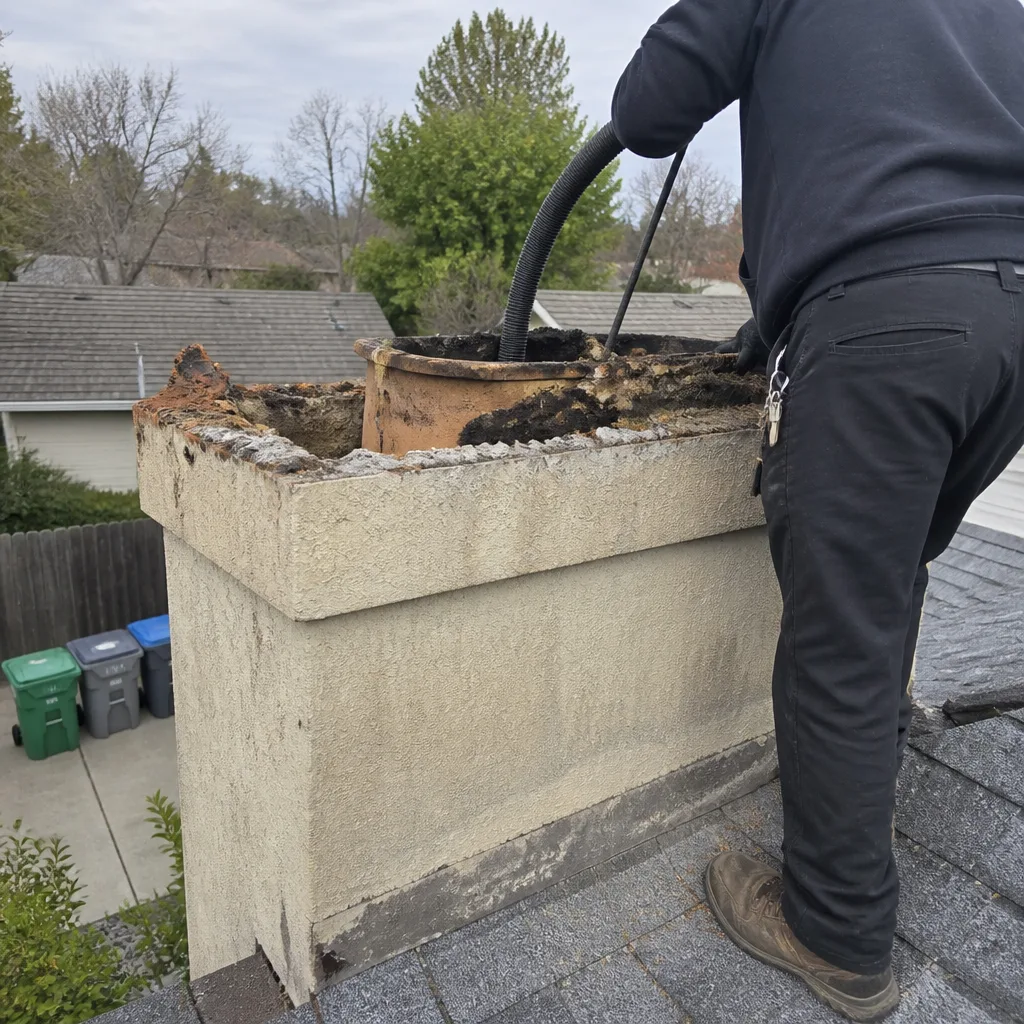
- Hairline shrinkage cracks in the mortar jacket. After enough heating and cooling cycles, tiny cracks appear above and beside the fire opening. These aren’t just cosmetic. Over time, they let heat and combustion byproducts reach the underlying brick, which accelerates the failure. We inspect whether the cracks are surface-level or extend through the full coating depth.
- Spalling along the firebox floor and back wall. Where logs and ash sit, the HeatShield coating takes direct thermal abuse and can flake off in pieces, leaving bare brick exposed. This is often progressive. A small spalled area keeps growing season after season if it isn’t addressed.
- Full sheet lifting from inadequate original surface prep. When the firebox wasn’t cleaned to bare masonry before the HeatShield was applied, the resurfacing layer has nothing to grip. It lifts in sheets, sometimes years after the original install. The root cause is always the same: skipped prep work. We’ve pulled sheets of HeatShield coating off fireboxes in Rancho Cordova that were only a few seasons old.
- Creosote buildup above a damaged firebox. When a HeatShield firebox is failing, homeowners often get compounding problems: smoky fires from diminished draft, which leads to heavier creosote accumulation in the flue above. We sweep the flue first, then assess the firebox, because you can’t fix one without understanding the other. A damaged firebox changes how the fire burns, and that changes what’s happening in the flue.
HeatShield Parts & Our Repair-vs-Replace Approach
We use genuine HeatShield refractory mortar and resurfacing material for every HeatShield repair. Not generic fireclay, not a refractory patch from the local hardware aisle. The HeatShield system relies on a specific ceramic composition that bonds to existing firebrick and expands and contracts at a rate compatible with the surrounding masonry. Substitute material fails because it doesn’t match that thermal profile. We keep HeatShield mortar and CrownCoat on the truck for most Rancho Cordova service calls, which means spot repairs happen same-visit rather than after a parts order.
The repair-versus-replace call is always based on the underlying masonry. If the firebox brick is sound and the only problem is a failed coating, patching and spot-repairing is usually the right move. HeatShield is designed to be repairable. But if the brick itself is badly spalled, crumbled, or structurally compromised, another resurfacing coat won’t save it. In that case, we’ll tell you plainly that the firebox needs rebuilding rather than another HeatShield application. We’d rather lose a small job than watch you pay for resurfacing that fails in two seasons. Call (877) 752-8010 if you’re not sure which situation you’re in. We’ll come look and show you what we find.
Our HeatShield Service Process – Step by Step
HeatShield work in Rancho Cordova follows a methodical sequence, because skipping a step is exactly how these systems fail in the first place. Here’s how we handle every HeatShield chimney cleaning and repair.
- 1
Full sweep and flue inspection. Before touching the firebox, we sweep the flue and run a camera inspection. You can’t properly assess a HeatShield firebox while the flue above it is coated in creosote and the draft is compromised. This also gives us a baseline for what the entire system looks like.
- 2
Firebox adhesion and condition testing. We tap the resurfacing layer and probe along the seams where ceramic meets brick. Loose coating sounds different. So does hollow brick behind it. We map the failed areas before cutting anything out.
- 3
Prep to sound masonry. We remove loose HeatShield material, clean the underlying brick to bare masonry, and dry the surface thoroughly. This is the step that gets skipped too often. A bonded repair starts with clean, dry substrate.
- 4
Repair or resurface with genuine HeatShield material. We trowel the refractory mortar jacket to match the existing profile, working in lifts where the damage is deep. For spot repairs, we feather the edges so the new coating transitions cleanly into the old.
- 5
Cure and test. We let the mortar cure according to the manufacturer’s spec, then do a test burn and re-inspect the repair. We document everything with photos so you can see what was done and why. We show you what we find, before and after.
See the difference
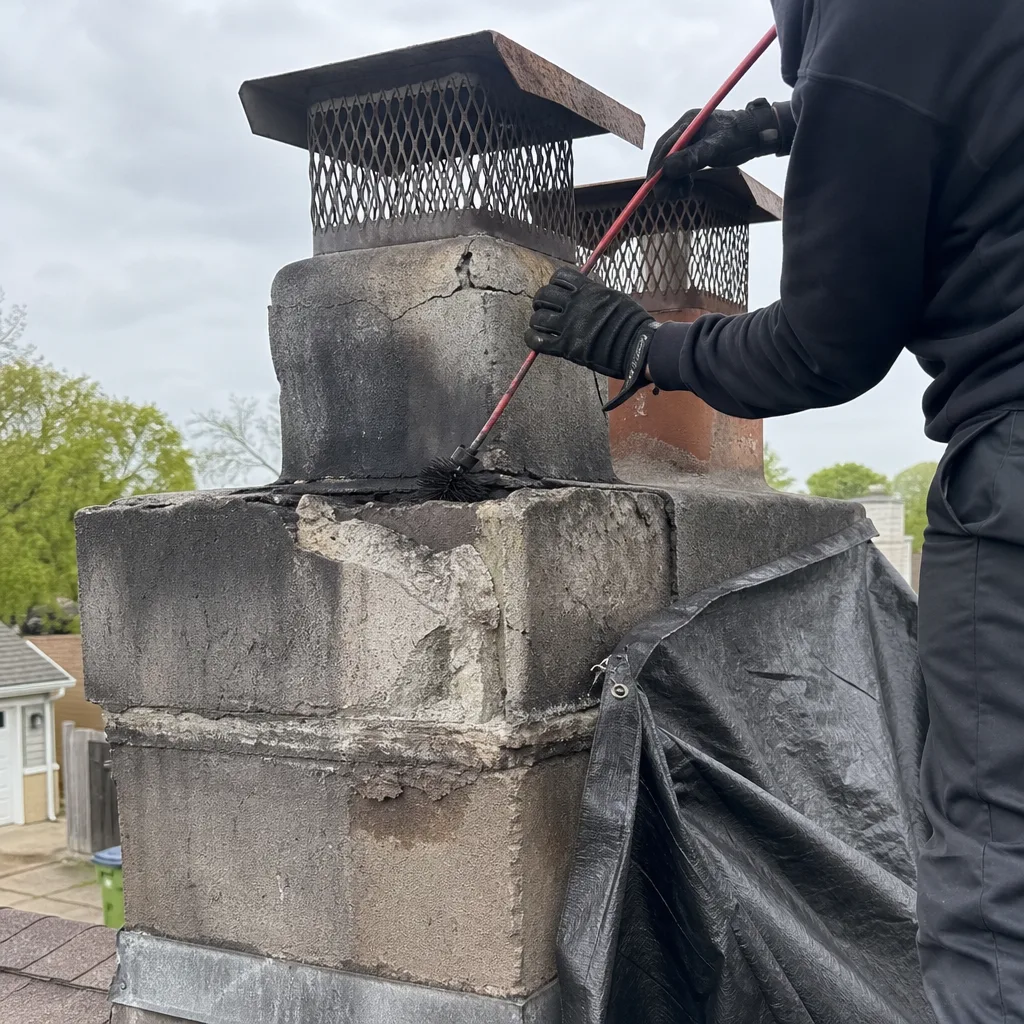 Before
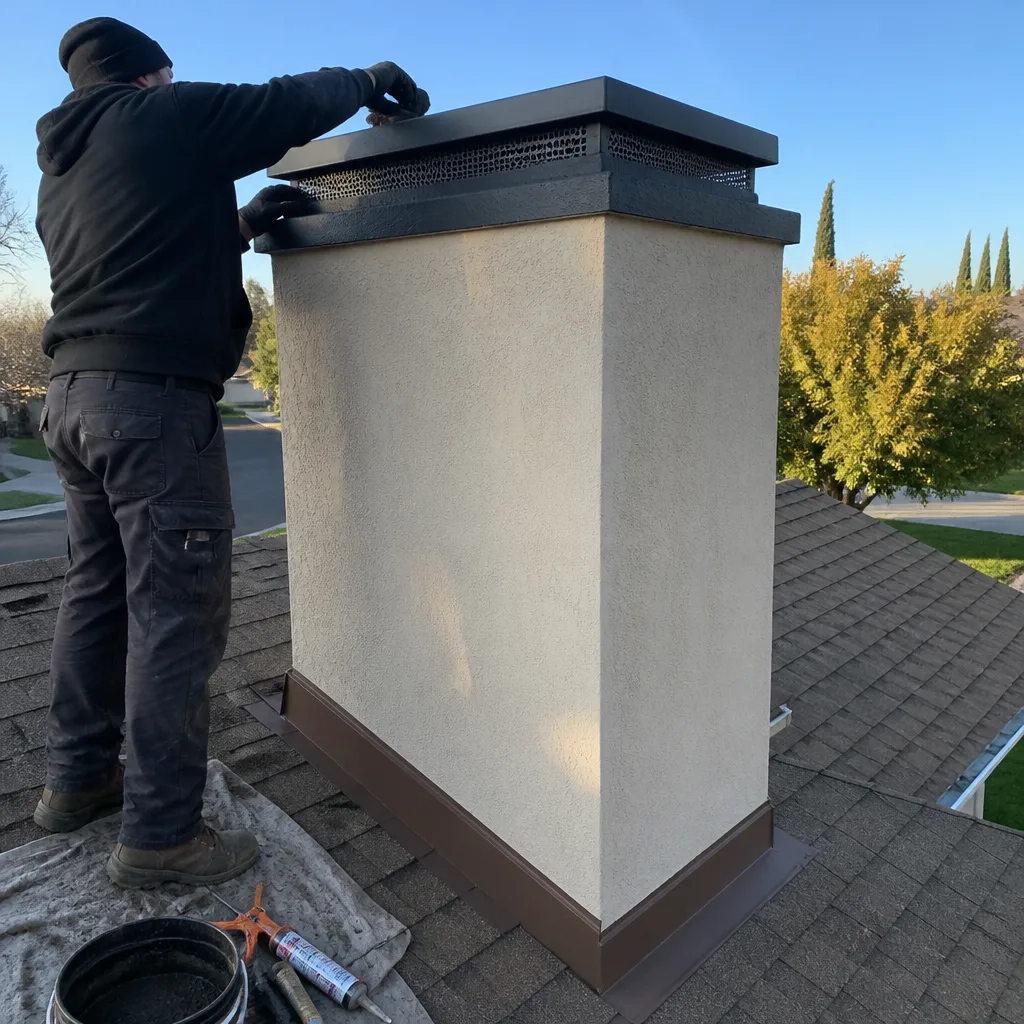 After
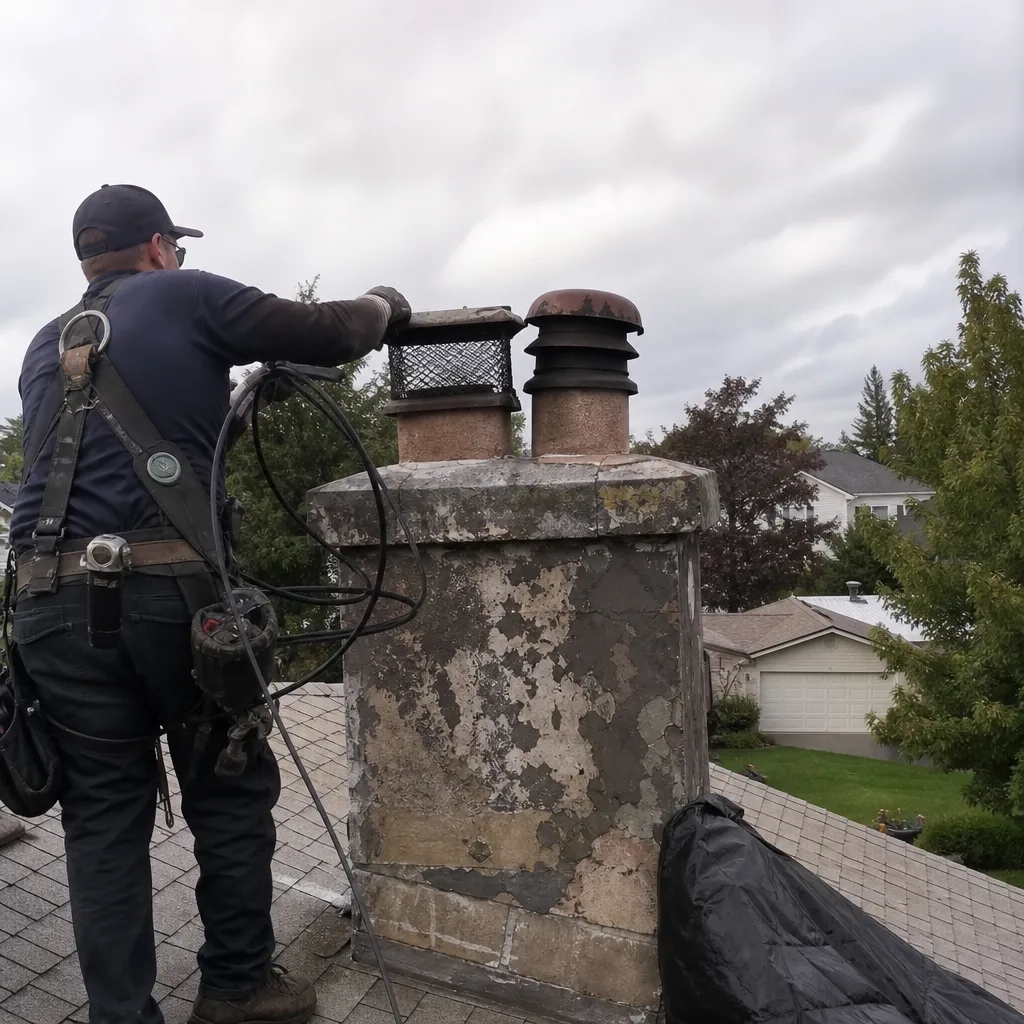 Before
 After
 Before
 After
HeatShield Products We Service & Install in Rancho Cordova
Our HeatShield scope in Rancho Cordova covers the full product family. The FireGuard Restorative Resurfacing System is the workhorse: a multi-stage ceramic resurfacing system for masonry fireboxes, used to restore fire-damaged or badly pitted firebox interiors to a smooth, insulated surface. HeatShield Mortar is the refractory air-set mortar that bonds the ceramic layer to the existing firebrick. The Chimney Crown Repair and CrownCoat lines handle the top of the system: a cracked or deteriorated chimney crown lets water into the flue and firebox below, which is often the reason a HeatShield firebox started failing in the first place. We stock HeatShield mortar and CrownCoat locally for fast turnaround on Rancho Cordova service calls, and keep FireGuard material on order rotation for full resurfacing jobs. Our crews also carry HeatShield in Gold River when scheduling permits.
We Also Service These Brands
HeatShield is one part of what we do. We’re a multi-brand chimney and venting specialist, and that matters when a Rancho Cordova job involves more than just the firebox. We install and service DuraFlex flexible liner systems when a flue needs a new liner, and we use Gelco products for ventilation and termination work. We evaluate the whole system and spec the right brand for each component, from one dedicated trade.
FAQs – HeatShield Chimney Cleaning Service in Rancho Cordova
Yes, a HeatShield firebox can typically be resurfaced again, provided the underlying firebrick is still structurally sound. The key question is whether the existing coating is simply delaminating and flaking off the surface, or whether the brick itself is crumbling. If the brick is sound, we remove the failed HeatShield layer, prep back to clean masonry, and apply a fresh coat. If the brick has spalled and lost its structural face, resurfacing alone won’t hold. That’s a rebuild. We make that call after opening up a small test area and seeing what’s underneath. Call (877) 752-8010 if you’re seeing flaking or peeling and want an honest assessment.
In most cases, the HeatShield coating in your firebox is cracking into pieces because it didn’t bond fully to the masonry underneath during application. If the brick was damp, or wasn’t cleaned to bare masonry, or if the mortar was applied too thick in one pass, the ceramic layer will crack and come apart under normal heating cycles. Repeated thermal expansion and contraction eventually breaks the weakened areas free. It’s rarely a product defect. It’s almost always a preparation or application issue. The fix is removing the loose material and redoing the surface properly.
Yes. A HeatShield firebox does not reduce creosote production, and does not excuse you from annual chimney sweeping. Creosote forms in the flue from wood combustion regardless of what the firebox looks like. In Rancho Cordova, where fireplaces see light intermittent use, creosote levels are typically moderate, but the valley’s wildfire-season particulate and occasional atmospheric inversions can leave soot and odor buildup during the off-season. The same conditions affect HeatShield service in La Riviera just across the river. The firebox and the flue are two parts of the same system. Sweep both, every year, before the first burn.
Spot repair is appropriate when the delamination or cracking is localized: one floor seam lifting, a small spalled patch on the back wall, a few hairline cracks above the fire. A full resurface is warranted when the failed areas are numerous, widely distributed, or when the coating has lifted across most of the firebox floor. We map the failures before recommending either approach. If the coating is failing in three different zones, spot repair becomes a patchwork job that won’t last. The pattern of failure tells the story.
Sometimes. If the smoke issue is caused by a damaged or improperly profiled firebox that disrupts airflow and draft, repairing the HeatShield surface can absolutely improve it. A smooth, properly oriented firebox face helps direct combustion gases up the flue. But a smoky fireplace has other possible causes: a flue that’s undersized for the appliance, a clogged chimney cap, negative pressure in the house, or a creosote-restricted flue. We diagnose the whole system, not just the firebox. In Rancho Cordova homes with aging metal flues from the 1950s-70s, draft problems often have more than one cause.
HeatShield chimney cleaning in Rancho Cordova typically runs $180 to $320 for a standard sweep with a visual inspection, and $350 to $550 when a Level 2 camera inspection is added. Spot repair of a HeatShield firebox with genuine refractory mortar usually starts around $250 to $450 depending on the size of the failed area. A full firebox resurface with the HeatShield FireGuard system runs $800 to $1,500 for a typical single-story ranch fireplace, depending on condition. These are estimates, not quotes. The exact number depends on what we find when we open things up. Call (877) 752-8010 for a free estimate. We’ll come out, look, and give you a number before any work begins.
Book Your HeatShield Service in Rancho Cordova, CA
If you’re seeing flakes, cracks, or peeling inside your HeatShield firebox, don’t wait until the first cold night to deal with it. We’ll come out, sweep the flue, inspect the firebox, and tell you exactly what’s going on and what it’ll take to fix it. Call (877) 752-8010 for a free estimate in Rancho Cordova.
Written by Oscar Dalton, Owner at Bedrock Chimney Sweep, serving Rancho Cordova and the greater Sacramento Valley.