
Last updated November 2, 2026
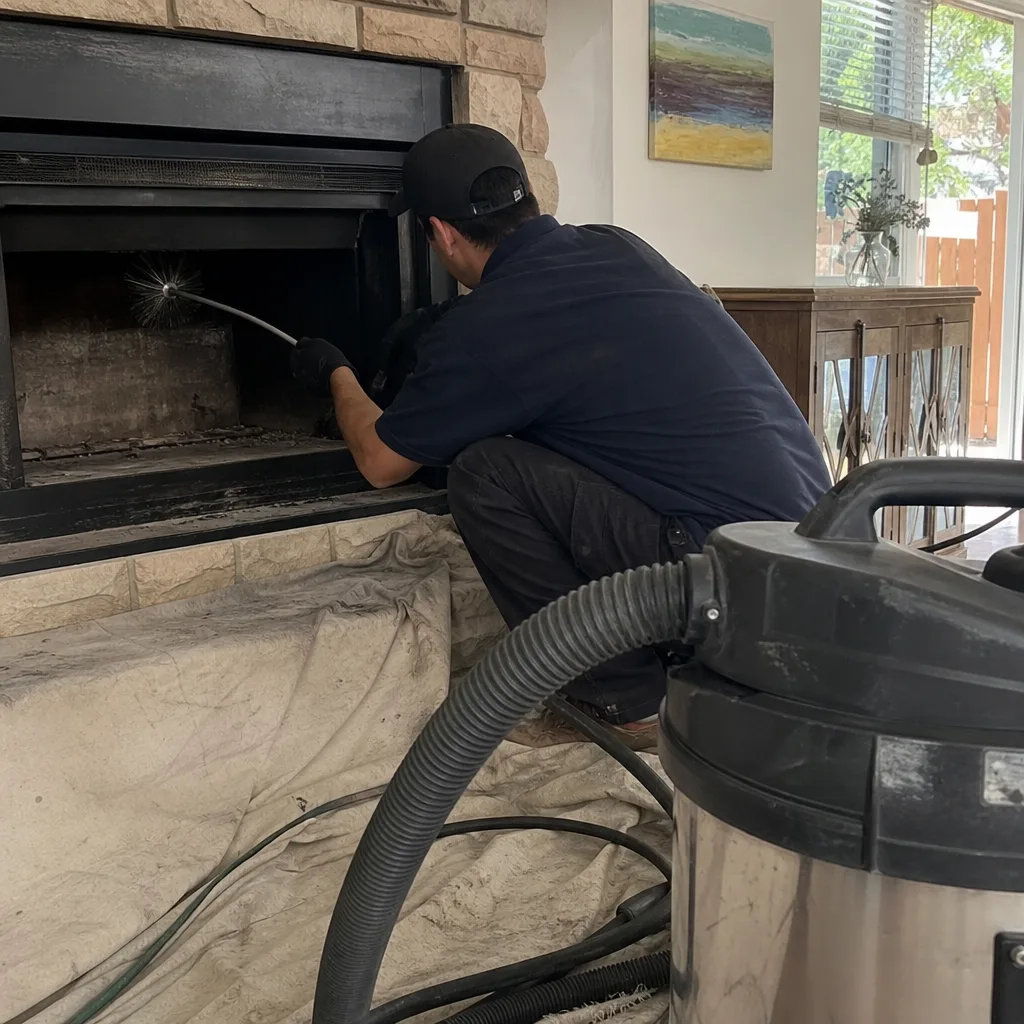
 Sweep & inspection
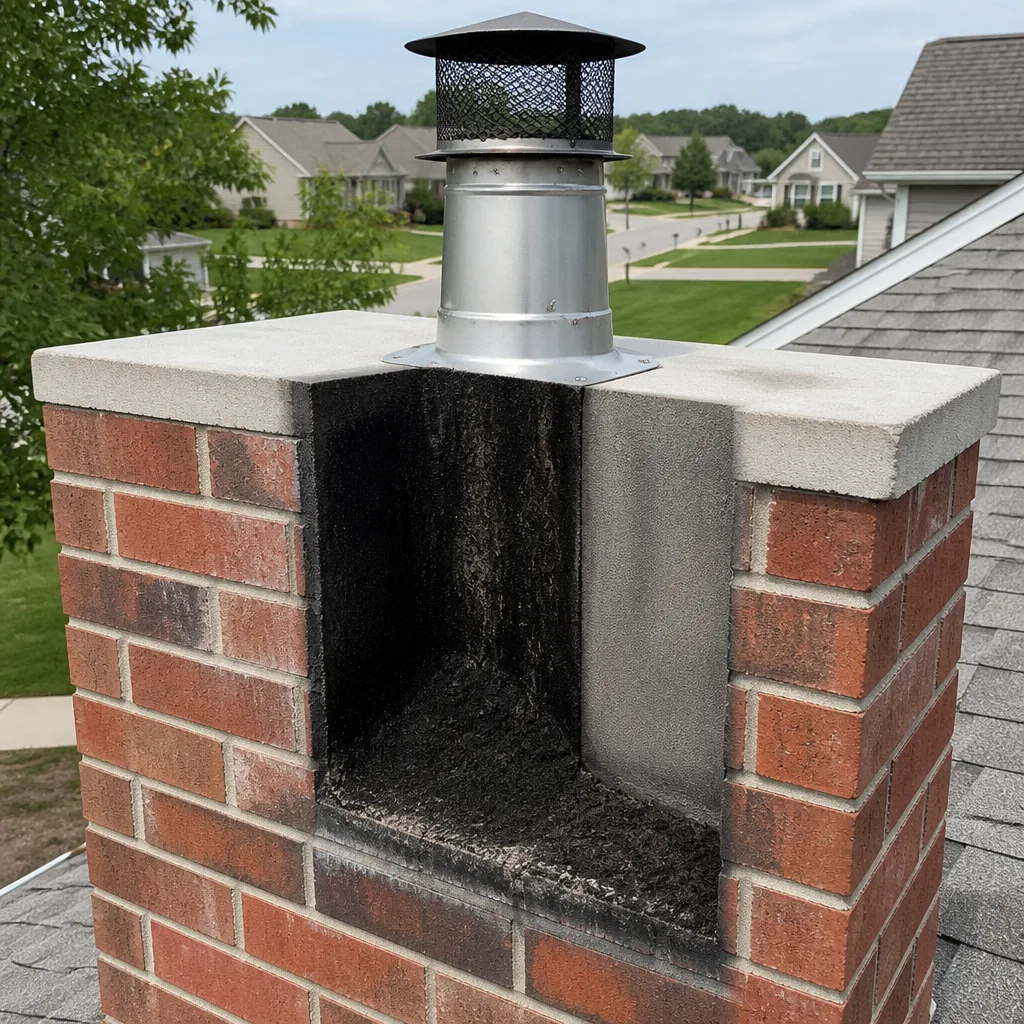
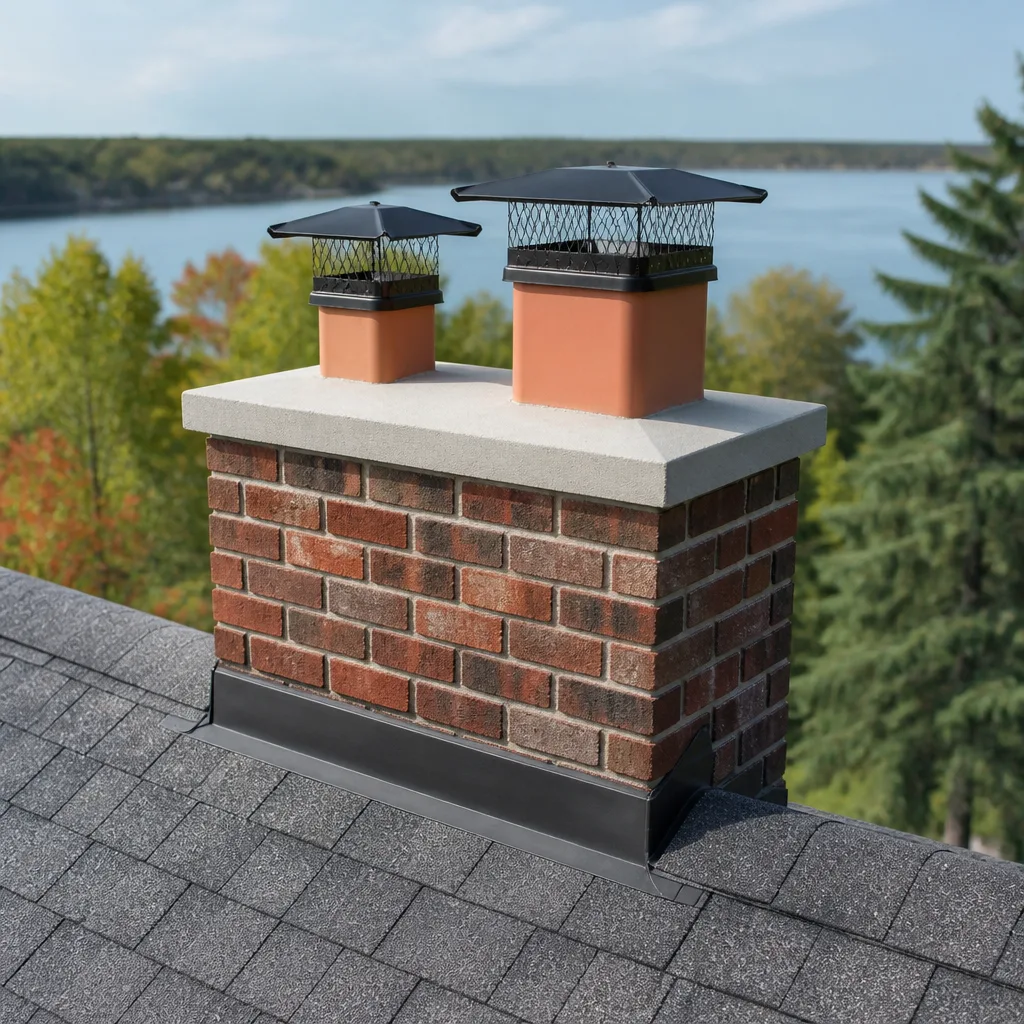 Caps & crowns
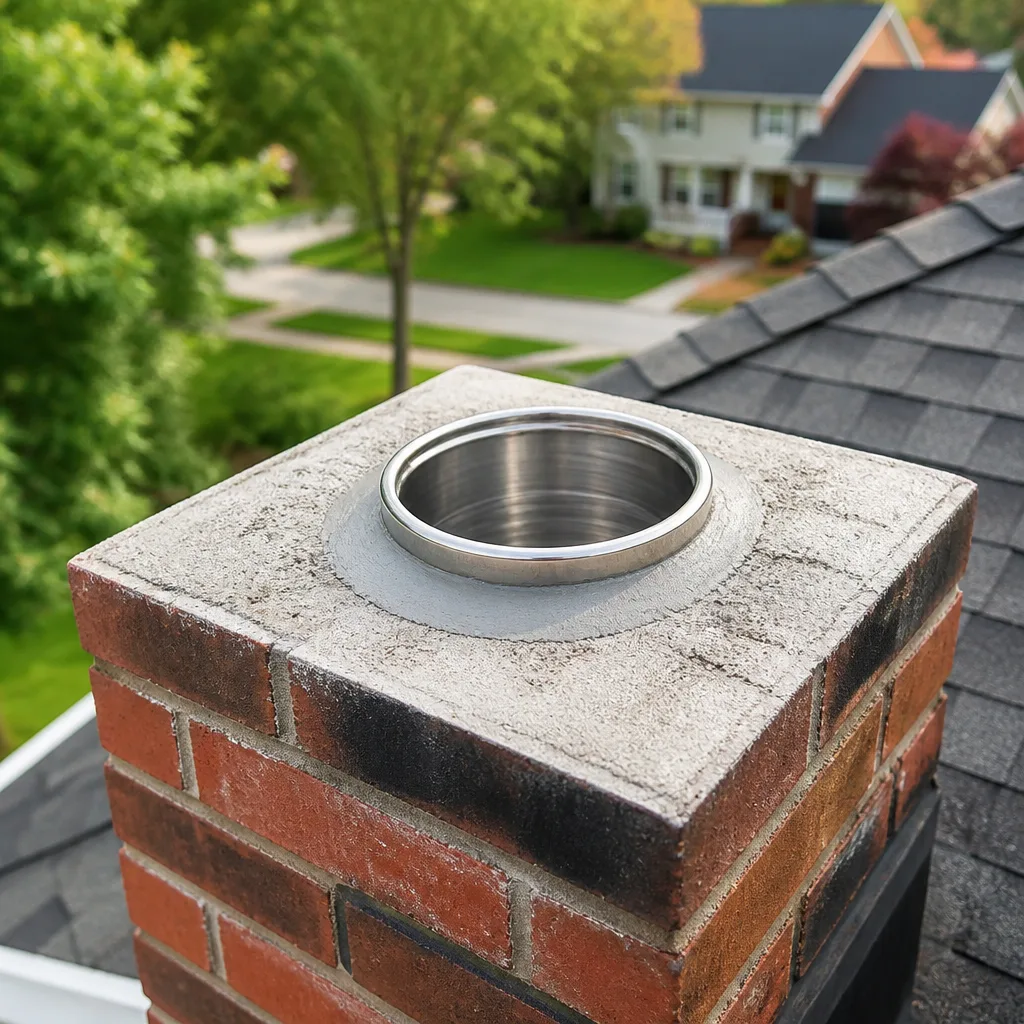 Flue relining
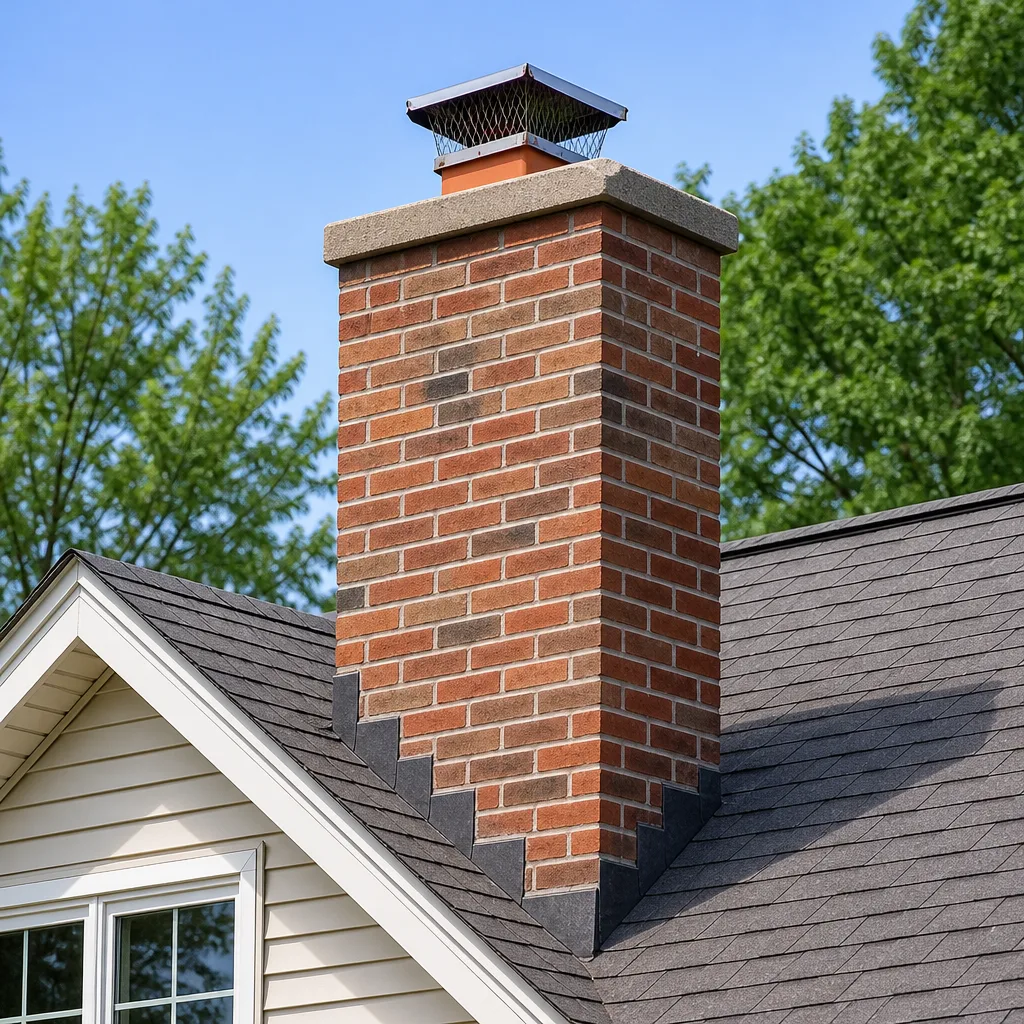 Masonry repair
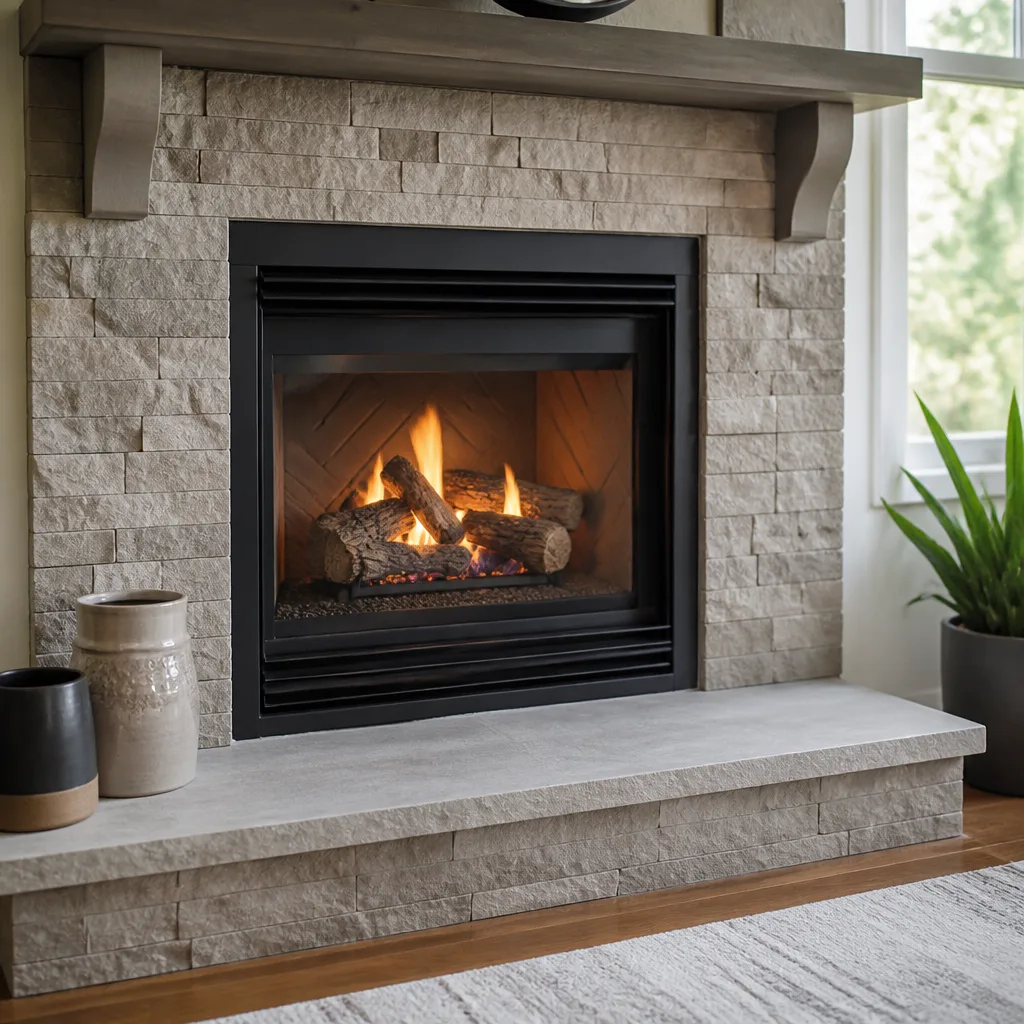 Gas fireplace service
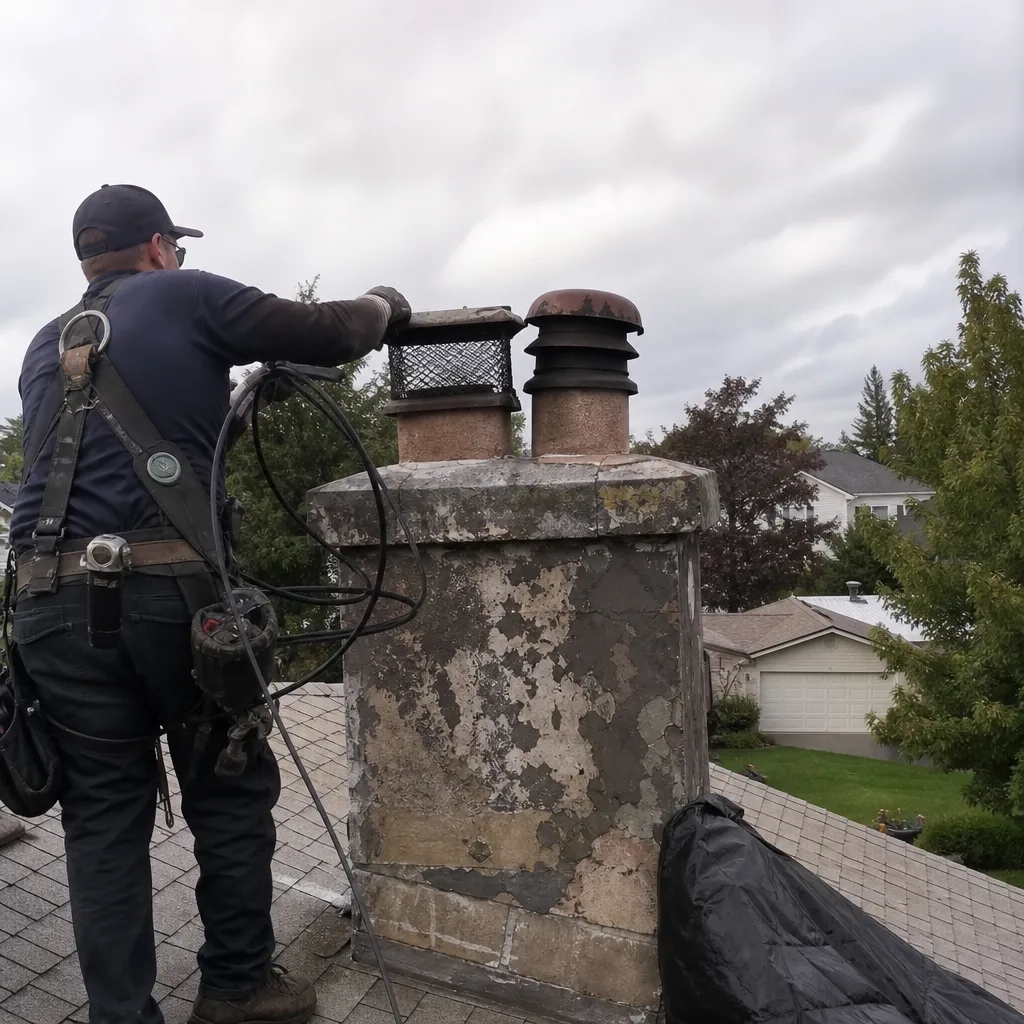
Level 1 sweep and inspection to the NFPA 211 annual standard - flue, crown, cap, and flashing checked and photographed
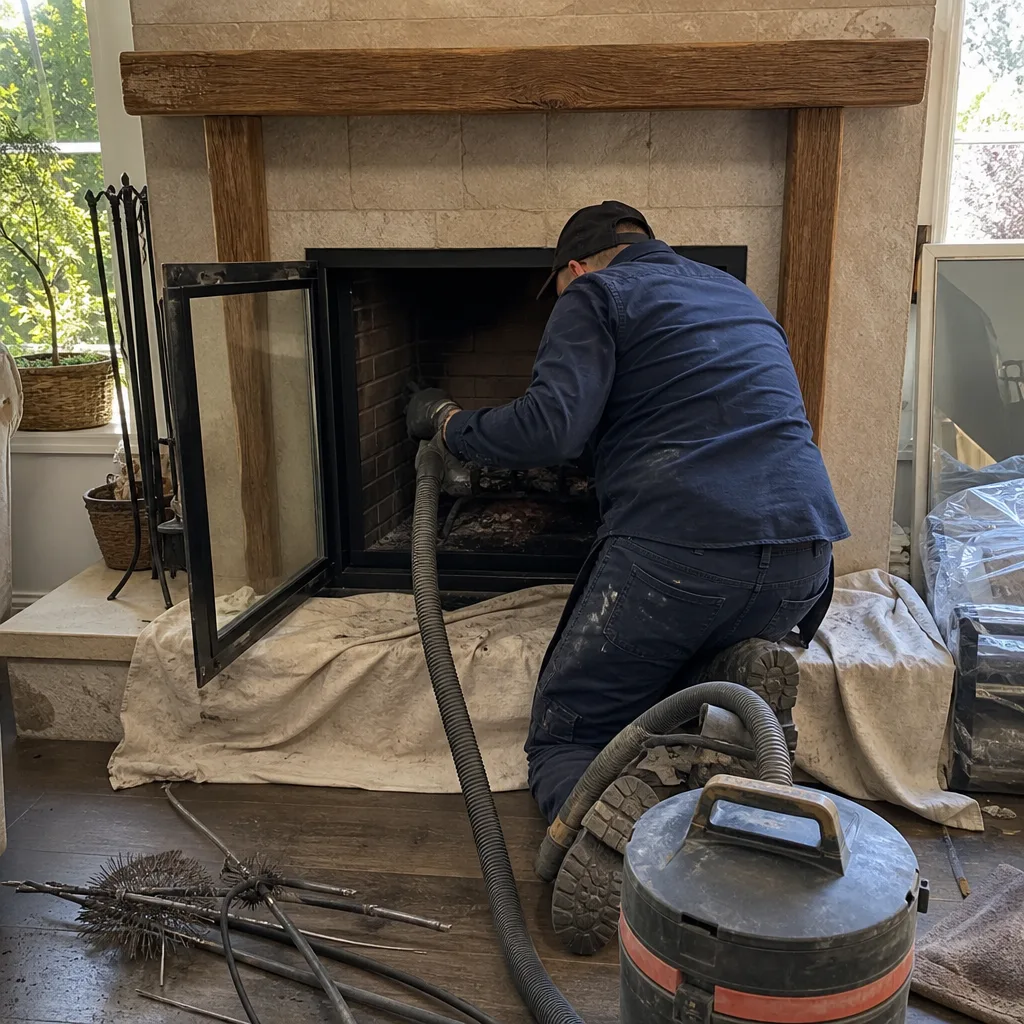
Chimney sweep logs do not sweep chimneys. They loosen some creosote - which then falls where a brush and vacuum still have to collect it.
Chimney Cleaning Permits, Codes & Inspections in CA: What You Need to Know
Here’s a scenario we see regularly in Rancho Cordova: a homeowner books a routine chimney sweep, the technician finds a cracked flue liner, and suddenly a $200 maintenance visit becomes a $4,000 repair conversation. What most people don’t realize is that the moment that crack is discovered, you’ve crossed an invisible line in California law. Routine sweeping is maintenance. Replacing that liner is regulated construction work under the California Building Code, and skipping the permit can come back to haunt you at resale, during an insurance claim, or after a chimney fire. Across Sacramento County, homeowners make this distinction every day without knowing it exists. This guide walks you through exactly where that line sits, what the codes actually say, and how to protect yourself. We’ll cover California Building Code Chapter 10, Sacramento County’s local amendments, Title 24 energy rules, SMAQMD Rule 408 for wood-burning appliances, and what a Level 2 inspection actually means in a real estate deal.
Styles & brands we work with
- Sweep & inspection
- Caps & crowns
- Flue relining
- Masonry repair
- Gas fireplace service
Quick Answer
Routine chimney sweeping, inspection, and minor maintenance like cap replacement or damper lubrication do not require a permit anywhere in California. However, structural repairs such as flue liner replacement, firebox rebuilds, chimney crown repair, or masonry reconstruction do require a building permit under California Building Code Chapter 10, and Sacramento County enforces this through its Building Permits & Inspection Division. A cleaning itself is unpermitted maintenance, but if the cleaning uncovers damage that requires regulated repair, the repair work must be permitted and inspected regardless of who does the cleaning. For a full breakdown of what to check before that point, see our Chimney Sweep Maintenance Checklist for Rancho Cordova Homeowners.
Table of Contents
- Maintenance vs. Regulated Work: Where the Line Actually Is
- What California Building Code Chapter 10 Actually Requires
- Sacramento County & Rancho Cordova Specifics
- How Title 24 Energy Code Intersects With Chimney Work
- SMAQMD Rule 408 and Your Cleaning Records
- Level 2 Inspections and California Real Estate Disclosure
- How to Verify Permits on Sacramento County’s Portal
- Common Mistakes to Avoid
- When to Call a Professional
- Frequently Asked Questions
- The Bottom Line
Maintenance vs. Regulated Work: Where the Line Actually Is
The legal distinction in California comes down to one question: does the work alter the structure, the combustion system, or the safety characteristics of the chimney? If the answer is no, it’s maintenance and no permit is required. If yes, you’re in regulated territory under the California Building Code (CBC), which California adopts statewide with local amendments. Sacramento County and the City of Rancho Cordova enforce this through their building departments, and the distinction is not optional.
Here’s how the categories break down in practice:
Maintenance Work (No Permit Required)
- Chimney sweeping and flue brushing, including mechanical or rotary sweeping
- Level 1 and Level 2 visual inspections with camera scoping
- Creosote removal, including glaze removal using chemical or mechanical methods
- Chimney cap replacement when no structural alteration occurs
- Damper repair or replacement when the firebox and throat remain unchanged
- Minor mortar joint repointing of small, non-structural areas (though this sits in a gray zone, and Sacramento County inspectors have flagged extensive repointing as structural in some cases)
- Dryer vent cleaning and reconnection when the vent path remains unchanged
Regulated Work (Permit Required Under CBC Chapter 10)
- Flue liner replacement, including stainless steel relining with systems like DuraFlex or HeatShield ceramic resurfacing when it alters the existing flue dimensions or method of construction
- Firebox rebuild or any reconstruction of the combustion chamber
- Chimney crown replacement involving formed concrete or masonry work
- Partial or full chimney rebuild, including tear-down above the roofline
- Masonry repair that involves structural repair rather than cosmetic pointing
- Installation of a new fireplace insert or stove when it changes the venting configuration
- Chimney removal or relocation
The practical upshot: a homeowner in Rancho Cordova can have their chimney swept every year for two decades and never touch the permit system. But the first time that sweep reveals a cracked liner or a failing firebox, the conversation shifts. The repair work must be permitted, inspected, and documented. We see this distinction matter most when homes are sold, because that’s when the missing permit gets discovered.
What California Building Code Chapter 10 Actually Requires
California Building Code Chapter 10, titled “Chimneys and Fireplaces,” governs every aspect of chimney and fireplace construction, alteration, and repair in the state. Section R1003 in the residential code covers masonry chimneys specifically, and it’s the section that gets referenced most often when a simple cleaning turns into a repair consultation.
The key sections homeowners should understand:
R1003.1 through R1003.9 establish the construction requirements for masonry chimneys: wall thickness, flue liner material, clearance to combustibles, footing requirements, and termination height above the roof. When a repair alters any of these characteristics, the repair itself must comply with the current code, not the code that was in effect when the chimney was originally built. This matters because many Rancho Cordova homes built in the 1960s and 1970s have chimneys that don’t meet today’s clearance requirements. If you touch a non-compliant chimney structurally, you may be required to bring the entire assembly up to current code, not just the repaired portion.
R1003.18 covers flue liners specifically and requires that liners be continuous, properly sized, and free of cracks or gaps. A cracked terra cotta liner isn’t just a cosmetic issue, it’s a code violation, and continuing to use the fireplace with a known liner defect can be interpreted as a knowing failure to maintain a code-compliant system. Insurance carriers routinely reference this section when denying claims after chimney fires in homes where documented liner damage was present and unaddressed.
R1001.11 governs firebox construction and material requirements. A firebox rebuild, even a partial one, changes the dimensions and material composition of the combustion chamber, which triggers the permit requirement.
What’s less widely understood: the code doesn’t just say what must be permitted. It also establishes the clearance to combustible requirements that often fail inspection. In Rancho Cordova’s older housing stock, which includes many homes built from the 1950s through the 1980s, original chimneys often lack the 2-inch clearance to combustibles that current code requires for exterior masonry chimneys. That’s a hidden liability that gets exposed when any structural work occurs.
Sacramento County & Rancho Cordova Specifics
Rancho Cordova operates under Sacramento County’s building permit jurisdiction for most residential work, managed by the Sacramento County Building Permits & Inspection Division. The county has adopted the California Building Code with local amendments that affect chimney work in ways that matter to homeowners.
Three local specifics stand out:
Local amendment on masonry repair scope: Sacramento County has historically been strict about what constitutes “repair” versus “alteration.” While the statewide code allows minor repair without permit in some cases, the county’s interpretation has been that any work involving structural integrity, fire safety, or life-safety components requires a permit, full stop. If you’re uncertain, the conservative approach is to assume you need one and verify. The permit desk at the county building department can clarify specific projects, and in our experience, Rancho Cordova homeowners who call ahead get clearer answers than those who guess.
Inspections are not optional: For permitted chimney work, Sacramento County requires rough-in and final inspections. A rough-in inspection may be called at the point where the flue liner is set but before the surrounding masonry or chase is closed up. The final inspection verifies the completed system, including termination height, cap installation, and clearance verification. Skipping the inspection because the work “looks done” is a common mistake that leaves an open permit on the property record. Open permits are flagged by title companies and can delay or derail a sale.
Rancho Cordova’s building stock profile: The city has a high concentration of suburban single-family homes built from the 1960s through the 1990s. Many of these homes originally came with masonry fireplaces and now have a mix of original chimneys, relined chimneys, gas inserts, and freestanding stoves. The variety means that what one address requires can differ from the house next door. A 1970s Rancho Cordova tract home with an original terra cotta flue is far more likely to need permitted liner work than a 2005 build with a factory-built chimney designed for inspection and component replacement.
How Title 24 Energy Code Intersects With Chimney Work
California’s Title 24 Building Energy Efficiency Standards apply to fireplaces and chimneys in ways most homeowners never consider until they’re replacing a damper or installing an insert after a cleaning inspection reveals it’s worthwhile. The energy code’s treatment of fireplaces has evolved substantially over the past decade, and the current requirements are stricter than most people expect.
Title 24 Section 150 governs fireplaces and decorative gas appliances. The key provisions:
- Gasketed doors required: New masonry fireplaces and new fireplace installations must have gasketed doors that seal the firebox opening when the fireplace is not in use. This applies to new construction and to installations where the fireplace or the damper assembly is being replaced or substantially altered.
- Damper requirements: When a damper is replaced as part of a permitted repair, the replacement damper must comply with current Title 24 standards. An old-school cast iron damper that sits loosely in the throat and never fully seals might have been acceptable when installed in 1975, but if it’s being replaced today under a permit, the replacement has to meet current energetic performance standards.
- Factory-built fireplace listings: For prefabricated or factory-built fireplaces, Title 24 defers to the listing and manufacturer’s installation instructions. That’s why swapping a prefab unit for a different model requires the new unit to be installed per its listing, which often means chase modifications, clearance changes, and venting changes, all of which require a permit.
The practical intersection with chimney cleaning is this: a routine sweep in Rancho Cordova might end with a recommendation to replace a rusted damper or install a high-efficiency insert. The cleaning itself required nothing. But the follow-on work that the cleaning made advisable often touches Title 24, and when it does, the permit and the energy compliance documentation become part of the job. A contractor who can’t explain which Title 24 provisions apply to the proposed work is a contractor who hasn’t done this kind of work at the code-compliant level.
SMAQMD Rule 408 and Your Cleaning Records
The Sacramento Metropolitan Air Quality Management District (SMAQMD) enforces Rule 408, which regulates solid-fuel burning devices across Sacramento County, including Rancho Cordova. This rule matters to chimney cleaning because it’s the regulatory framework that makes your cleaning records worth keeping.
Rule 408 imposes these requirements on solid-fuel burning devices:
- No-burn days: During Stage 1 and Stage 2 air quality episodes, generally from November through February, burning solid fuel in a fireplace or uncertified wood stove is prohibited. Exemptions exist only for homes where the solid-fuel device is the sole source of heat.
- EPA certification for new installations: Any wood stove or insert installed after the rule’s effective date must be EPA-certified. Installing a non-certified appliance is a violation regardless of any building permit obtained.
- Visible emissions limits: The rule prohibits visible smoke emissions beyond certain thresholds, and enforcement can include fines for repeat violations reported by neighbors.
Where chimney cleaning connects to Rule 408 is in documentation. A cleaning record that shows annual maintenance, with dates, the technician’s observations, and the condition of the flue, helps establish that a homeowner is maintaining the appliance properly. More importantly, if an SMAQMD enforcement action or an insurance claim ever follows a chimney fire or excessive smoke complaint, that cleaning history becomes evidence that the homeowner exercised reasonable care. In our experience serving Rancho Cordova homeowners, the ones who keep a folder with dated cleaning receipts and inspection reports have a materially easier time with insurers and regulators than those who have to reconstruct a maintenance history from memory.
Bedrock Chimney Sweep provides a written report with every cleaning and inspection, which gives homeowners that documentation. We also recommend photographing or scanning those records, because paper receipts in a garage don’t survive a fire, and the fire is precisely when the records become most relevant.
Level 2 Inspections and California Real Estate Disclosure
A Level 2 chimney inspection is a specific, standardized inspection defined by the National Fire Protection Association (NFPA) in Standard 211. It includes everything in a Level 1 inspection, plus access to accessible attics, crawl spaces, and basements, and often involves video scanning of the flue interior. In California, the Level 2 inspection has a specific legal role in real estate transactions, and Rancho Cordova homeowners on either side of a sale should understand what it means.
California Civil Code Section 1102 requires sellers to disclose all material facts that affect the value or desirability of the property. A chimney with known structural problems is a material fact. When a Level 2 inspection reveals a cracked liner or a firebox in need of rebuild, that finding does not automatically require a repair, but it does require disclosure if the seller is aware of the finding. Failing to disclose a known chimney defect is a violation of the state’s disclosure law and exposes the seller to post-sale liability.
Three things Rancho Cordova homeowners should understand about Level 2 inspections:
- When they’re required: NFPA 211 requires a Level 2 inspection when there’s been a chimney fire, a change in fuel type, a change in the appliance, an earthquake or major weather event, or when the property is being sold or transferred. A real estate transaction in Rancho Cordova typically triggers the Level 2 standard.
- What the video shows: A camera scan of the flue interior reveals cracks, spalling, improper mortar joints, and clearance issues that no visual inspection from the firebox or rooftop can detect. The video is the evidence. A reputable chimney professional will show the homeowner what the camera sees and explain what it means. At Bedrock Chimney Sweep home, our policy is that we show customers what we find, with camera footage, before recommending any repair.
- How it affects price and insurance: A clean Level 2 report strengthens a seller’s position and can even justify a higher asking price. A Level 2 report showing a failed flue liner becomes a negotiation point, and in some cases, a condition of loan approval or insurance underwriting. Buyers in Rancho Cordova who obtain a Level 2 inspection as part of due diligence avoid buying a chimney problem they’d otherwise discover on their first cold night in the house.
If you’re buying or selling a home in Rancho Cordova, a chimney sweep in Rancho Cordova who performs Level 2 inspections with video documentation should be on your due diligence checklist alongside the pest inspection and the roof inspection.
How to Verify Permits on Sacramento County’s Portal
Sacramento County provides an online permit lookup system that allows anyone to check the permit history of a property. This is a tool every Rancho Cordova homeowner should know how to use before buying a home, before hiring a contractor, and after completing chimney work.
The lookup process:
- Navigate to the Sacramento County Building Permits & Inspection Division website and locate the permit search tool. It’s currently under the “Online Services” heading, though the county has a habit of reorganizing.
- Enter the property address, not the owner’s name. The system searches by address, and in Rancho Cordova, using the full street address including the unit number where applicable gets the cleanest results.
- Review the permit history for the address. Look for permits related to fireplace, chimney, flue, or mechanical work. Older permits may not be fully digitized, and the online records for pre-1990 construction are often incomplete. A phone call to the permit desk can fill gaps.
- Check the status on any relevant permits. A permit with status “Open” or “Issued” but no final inspection means the work was never closed out. An open permit is a liability. Title companies treat open permits as defects, and insurers can point to them as evidence of incomplete or improper work.
- If you find unpermitted work, or a permit that was never finalized, understand that this can be corrected. The county has a process for after-the-fact permits. It’s not punitive, but it does involve bringing the work into compliance with current code, which may mean corrections that cost more than the original work.
In Rancho Cordova, the most common scenario we see is this: a previous owner did chimney work in the 1990s or 2000s without a permit, sold the house, and the new owner only discovers the issue when they try to sell or do their own permitted work. The chain of liability gets murky fast. Checking the permit history before you buy is a $0 investment that can save tens of thousands down the line.
Common Mistakes to Avoid
- Assuming all chimney work is “just repair” and doesn’t need a permit. Sacramento County enforces a broad interpretation of what constitutes structural work. Flue liners, fireboxes, and crowns are never “minor” in the county’s view. If you’re uncertain, call the permit desk and ask.
- Hiring a general handyman for structural chimney repair without verifying permits. A handyman can legally do maintenance like sweeping and cap replacement in most cases, but structural liner and masonry work requires a contractor who can pull permits and schedule inspections. The non-permitted work becomes your liability.
- Failing to keep cleaning and inspection records. When an insurer or a real estate buyer asks for proof of maintenance, your dated records are your defense. Without them, you’re arguing from memory, and memory doesn’t win claims.
- Installing a wood stove or insert without checking SMAQMD Rule 408 and Title 24 compliance. A stove bought online and installed without EPA certification or energy compliance documentation becomes a code violation and a disclosure obligation at sale.
- Treating flue liner cracks as a cosmetic issue. A cracked liner is a fire safety hazard and a building code violation. Continuing to use a fireplace with a known crack means accepting liability for whatever happens next.
- Skipping the final inspection after permitted work. An open permit never closes itself. It stays on the property record until the final inspection is completed, and it will surface at the worst possible time: during escrow.
- Confusing a chimney sweep with a chimney repair specialist. Many sweep-only companies can clean your flue but cannot repair structural damage, reline a chimney, or resurface a flue with ceramic systems like HeatShield. When a sweep finds damage, you need a chimney repair specialist in Rancho Cordova who can pull the permit and do the repair. Bedrock Chimney Sweep handles both the sweep and the repair under one roof, which avoids the referral runaround when the cleaning reveals the problem.
When to Call a Professional
Some Rancho Cordova homeowners are comfortable doing their own exterior maintenance, but chimney work is not in that category. The combination of working at height, inside confined spaces, and around combustion byproducts makes professional inspection and repair a safety decision, not a convenience decision. If you notice cracked masonry on the chimney exterior, hear loose mortar falling during heavy rain, see white staining on the brick, or smell smoke in the house when the fireplace isn’t in use, those are signs that warrant a professional evaluation. If your last cleaning was more than a year ago, or you’ve never had a camera inspection of the flue, schedule one before the next burning season. A Level 2 inspection is also the right call if you’ve recently bought a home, experienced a chimney fire, or are preparing to sell and want to get ahead of the disclosure requirements. Bedrock Chimney Sweep offers free estimates in Rancho Cordova. Call (877) 752-8010 to schedule a cleaning or inspection, or to discuss what a repair might involve.
Frequently Asked Questions
No. Routine chimney sweeping, flue brushing, creosote removal, and Level 1 or Level 2 inspections are classified as maintenance and require no permit from Sacramento County or any other California jurisdiction. A permit becomes necessary only when the cleaning reveals damage that requires structural repair, such as flue liner replacement or firebox rebuild. Call (877) 752-8010 to schedule a cleaning in Rancho Cordova, and if we find something that needs permitted work, we’ll explain exactly what’s required and why.
Flue liner replacement, firebox rebuild, chimney crown replacement, structural masonry repair, chimney rebuild, and installation of a new fireplace insert or stove all require permits under California Building Code Chapter 10 as enforced by Sacramento County. Cosmetic pointing of minor mortar joints and cap replacement without structural alteration typically don’t. When in doubt, the county’s permit desk will clarify whether a specific project needs a permit.
The NFPA recommends cleaning when creosote buildup reaches 1/8 inch in a wood-burning chimney, and an annual inspection is the standard for any chimney in regular use. In Rancho Cordova, where the burning season runs from roughly November through February, a cleaning every year or every other year is typical for homes that burn wood regularly. Homes that burn only occasional fires can often go two to three years between cleanings. A chimney sweep in Rancho Cordova can assess your particular usage pattern and recommend a schedule.
A Level 2 inspection includes everything in a Level 1 visual check plus interior flue video scanning and access to attics and crawl spaces. NFPA 211 requires it after a chimney fire, after a change in fuel or appliance, after an earthquake, and when a property is being sold. In Rancho Cordova, it’s the standard for real estate transactions and the only inspection that reliably detects hidden liner cracks and clearance violations.
Rule 408 prohibits wood burning on designated no-burn days during air quality episodes, requires new wood stoves and inserts to be EPA-certified, and limits visible smoke emissions. The regulation applies throughout Sacramento County, including Rancho Cordova. Keeping dated cleaning and inspection records helps demonstrate rule compliance and supports insurance claims if a fire occurs.
Yes. Unpermitted structural chimney work is a material fact that must be disclosed under California Civil Code 1102, and discovering it during escrow can delay or terminate a sale. Title companies flag open permits, and buyers often demand remediation or price concessions when they find out chimney work was done without permits. The cost of retroactive permitting and correction typically exceeds what the original permit would have cost. If you’re not sure whether past work at your Rancho Cordova property was permitted, check the county’s online permit portal or call the permit desk.
A standard chimney sweep in the Rancho Cordova area typically runs between $180 and $350 depending on the type of chimney, the level of creosote buildup, and whether the inspection includes video scanning. Adding a Level 2 inspection with camera documentation generally brings the total to $250-$450. Structural repairs like liner replacement with professional-grade systems such as DuraFlex or HeatShield are quoted separately. Call (877) 752-8010 for a free estimate and we’ll give you an exact number for your chimney.
The Bottom Line
Routine chimney cleaning in Rancho Cordova is unpermitted maintenance, and it should happen every year or two depending on how much you burn. The regulatory weight sits on the other side of the maintenance line: flue liners, fireboxes, crowns, and structural masonry all require permits under California Building Code Chapter 10, and Sacramento County enforces that requirement with inspections that can’t be skipped. SMAQMD Rule 408 makes your cleaning records worth keeping, Title 24 adds energy compliance to any damper or insert work, and California’s real estate disclosure laws make an old, undetected chimney problem a selling liability. Check the permit portal before you buy. Keep your records. If a sweep finds damage, don’t let anyone repair it without a permit. And if you’re in Rancho Cordova, a dryer vent cleaning in Rancho Cordova is worth scheduling at the same time as your chimney work, because a blocked dryer vent is the same category of preventable fire risk, just in a different pipe. Your entire venting system deserves the same level of attention. Call (877) 752-8010 with any questions, or to book a free estimate.
Written by the team at Bedrock Chimney Sweep, serving Rancho Cordova since 2014. Explore more guides & resources on chimney care and California building codes.
See the difference
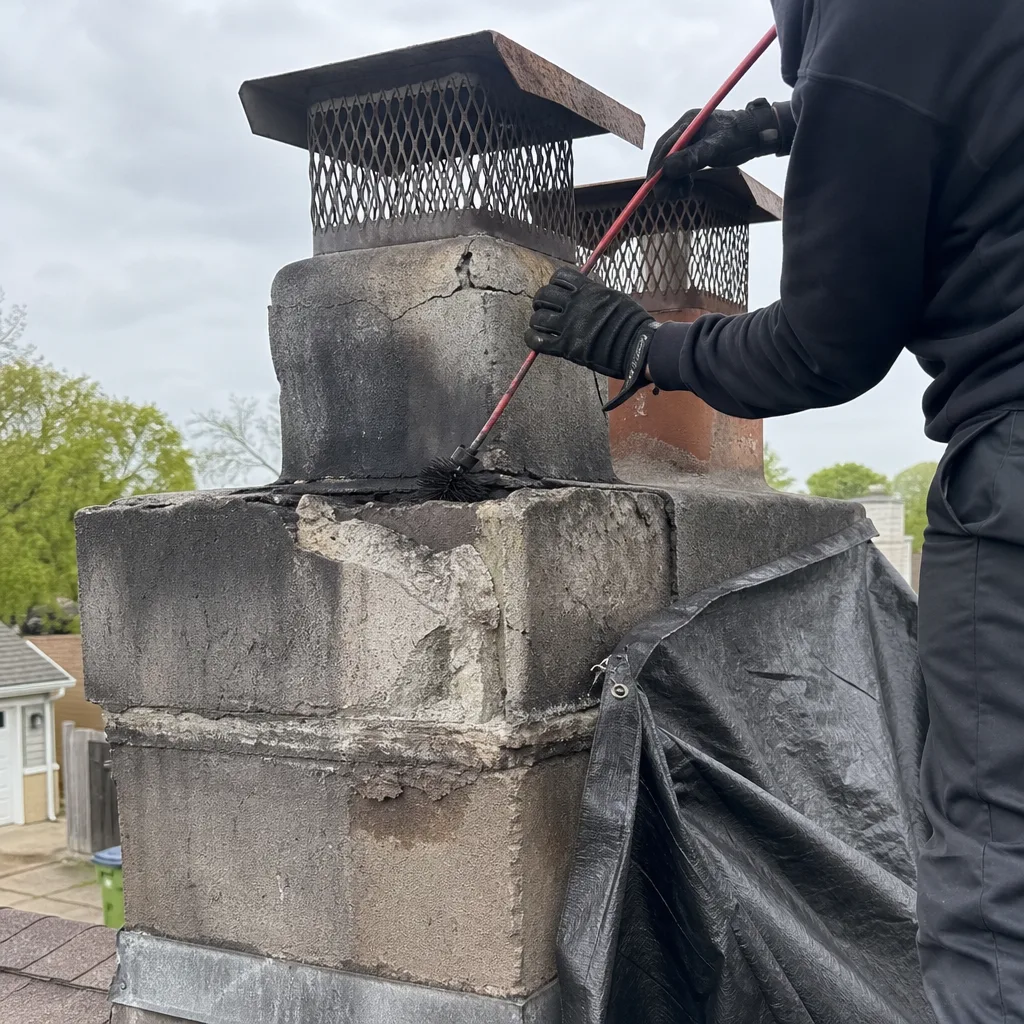 Before
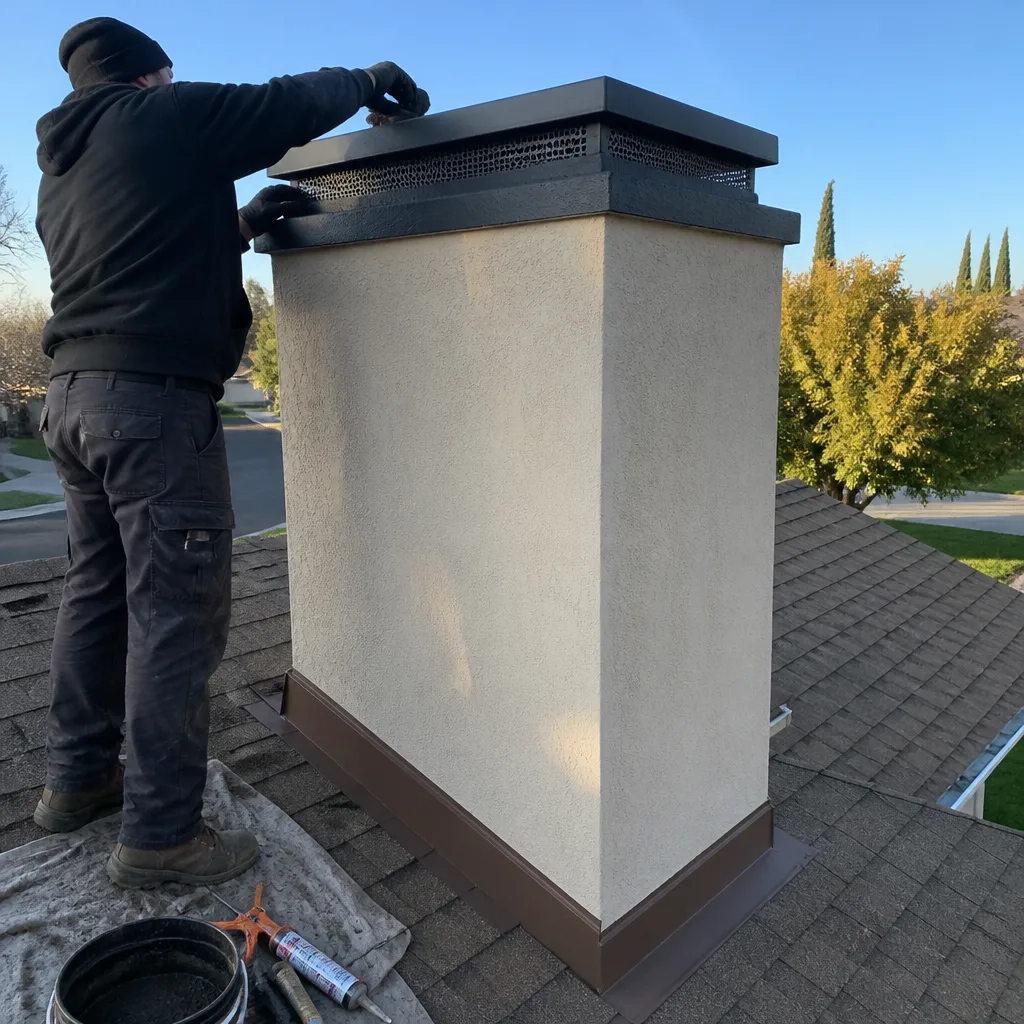 After
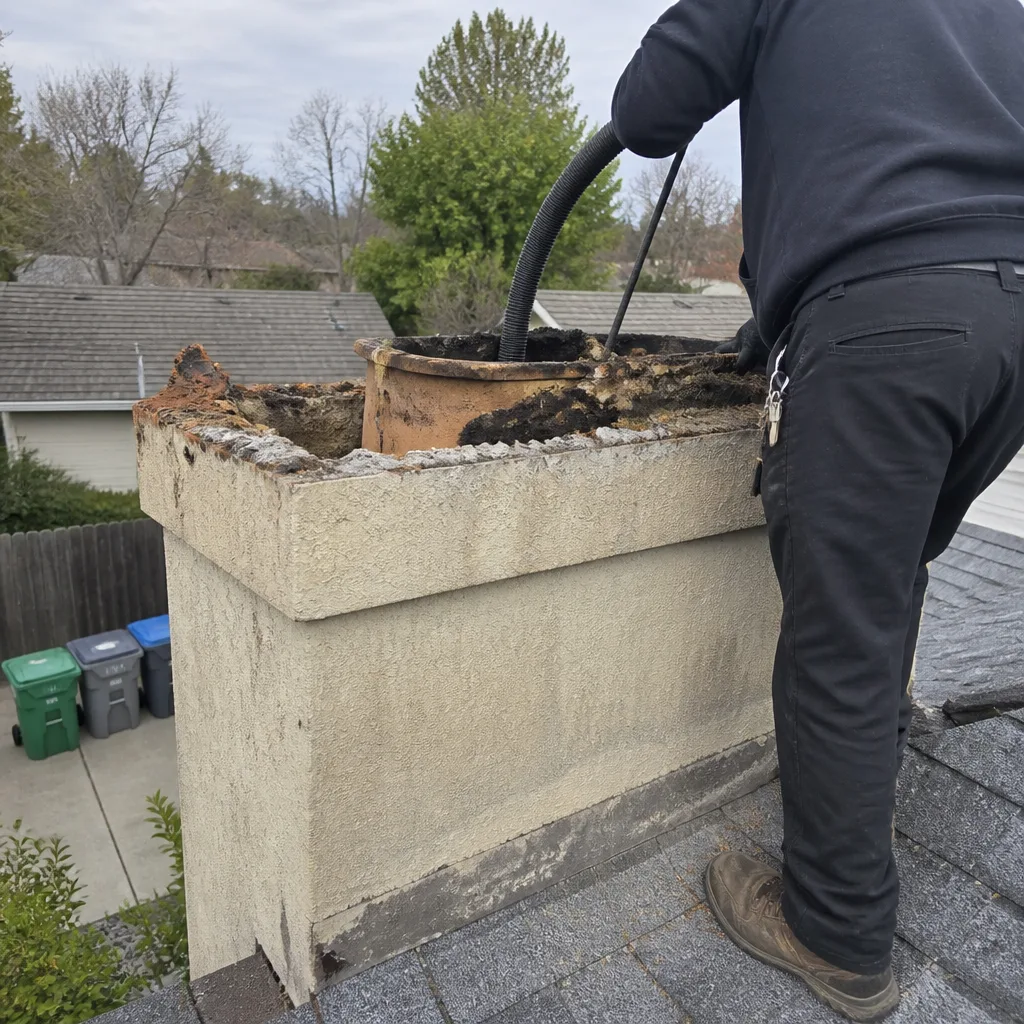
 Before
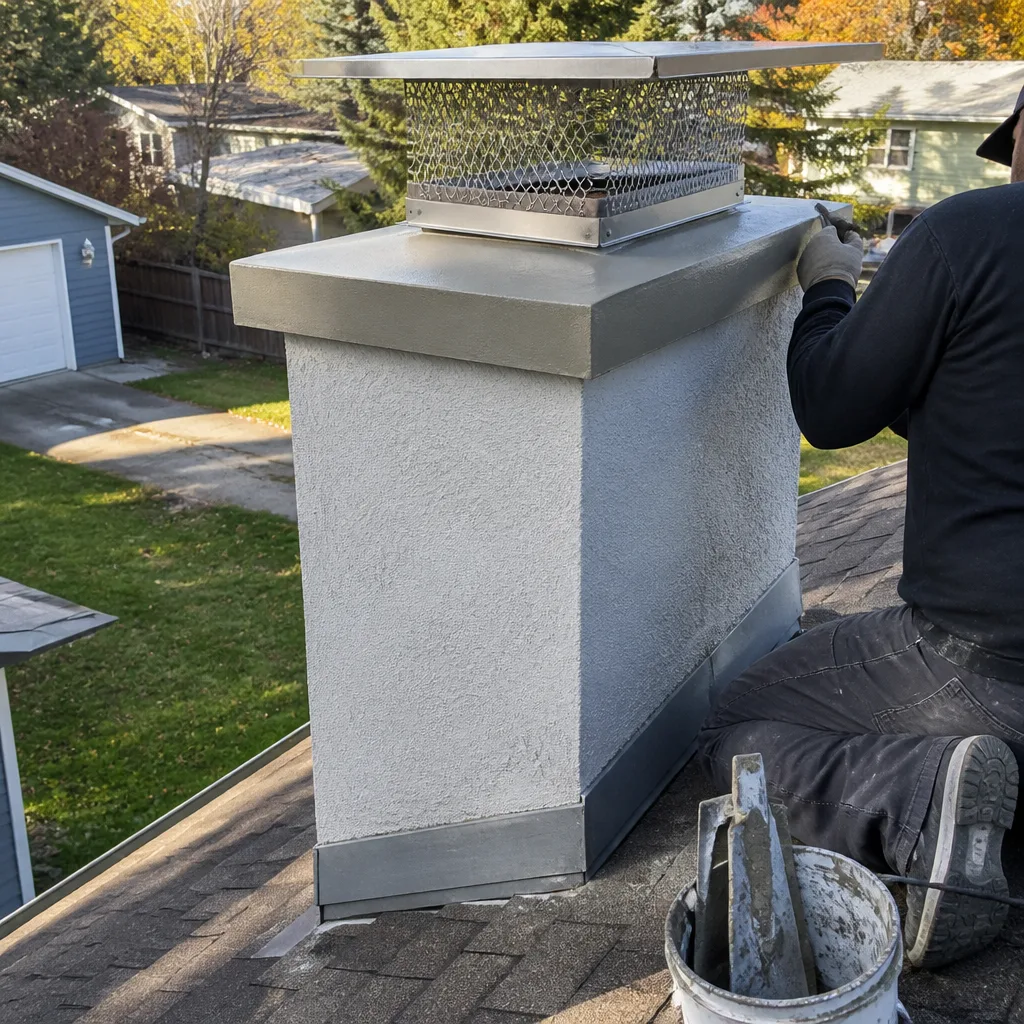
 After
 Before
 After