
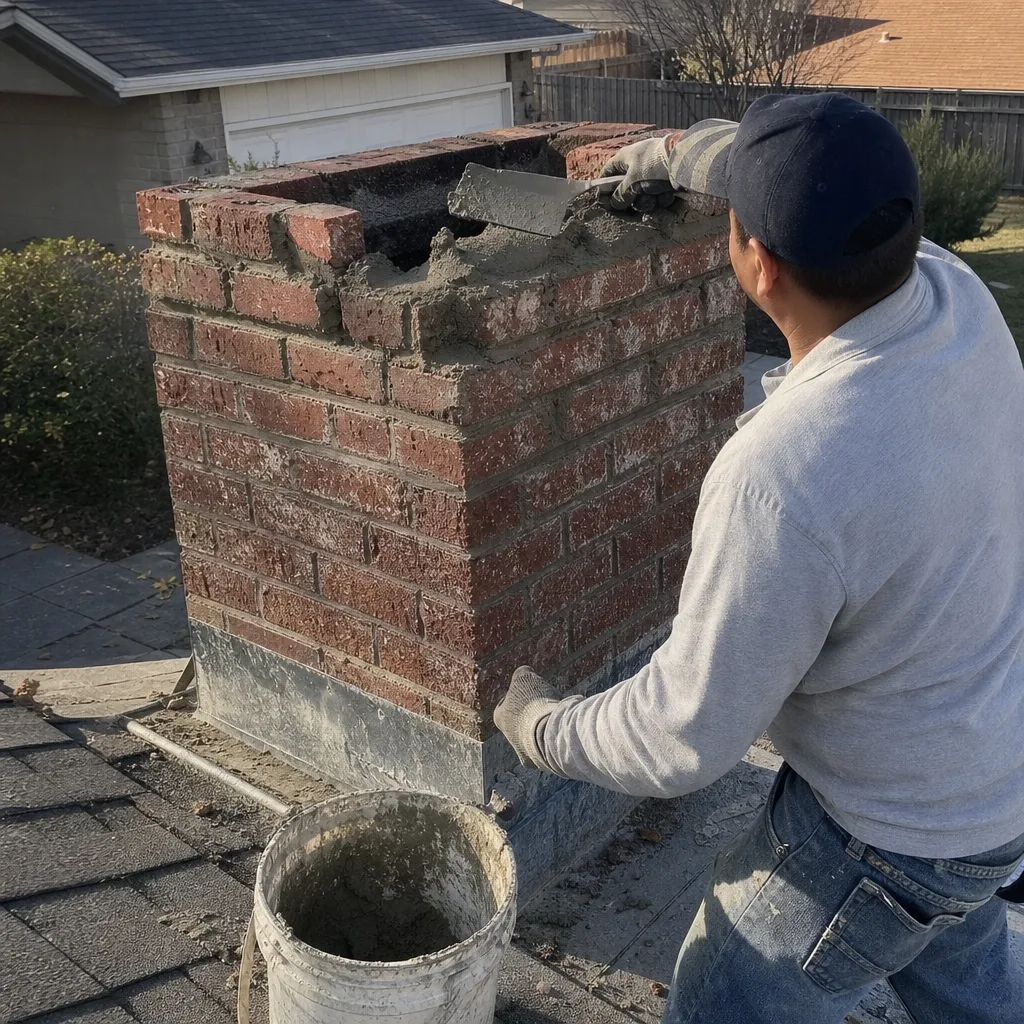
Last updated November 2, 2026
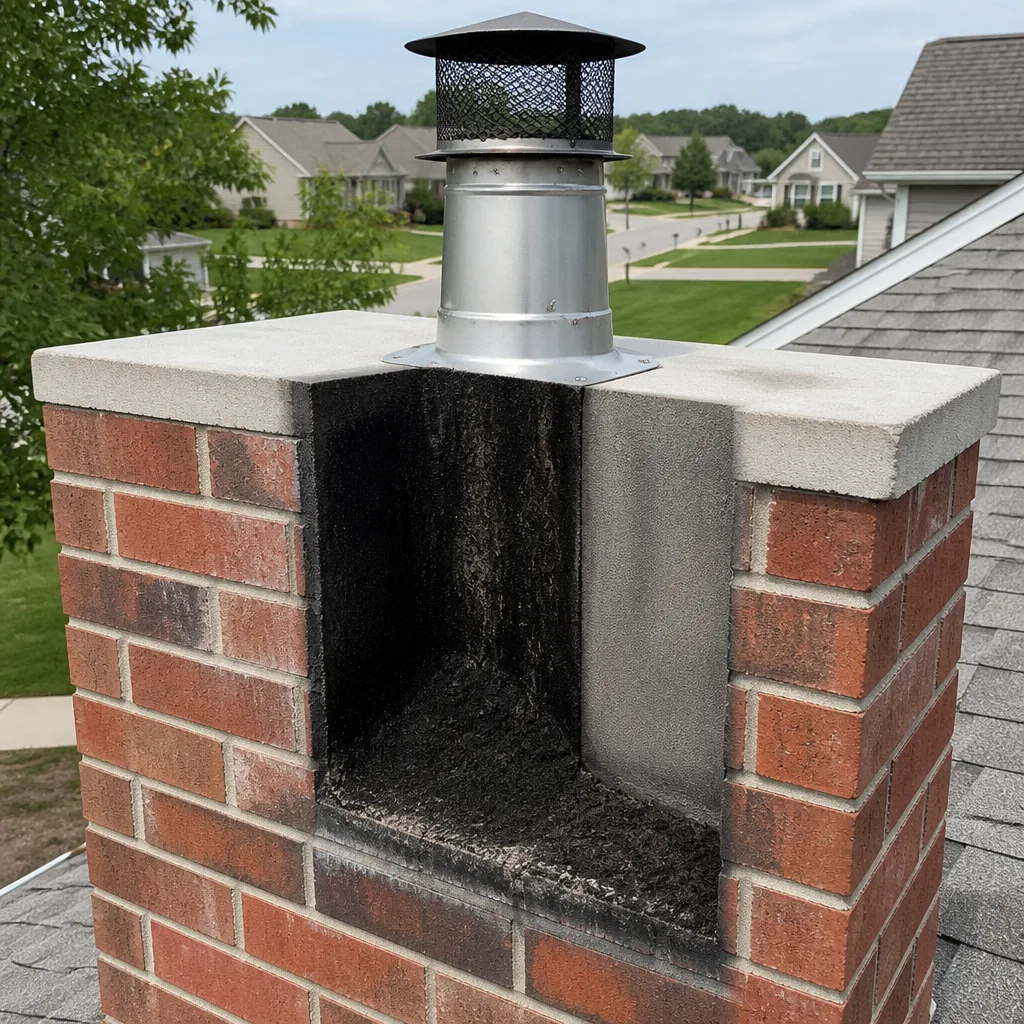 Sweep & inspection
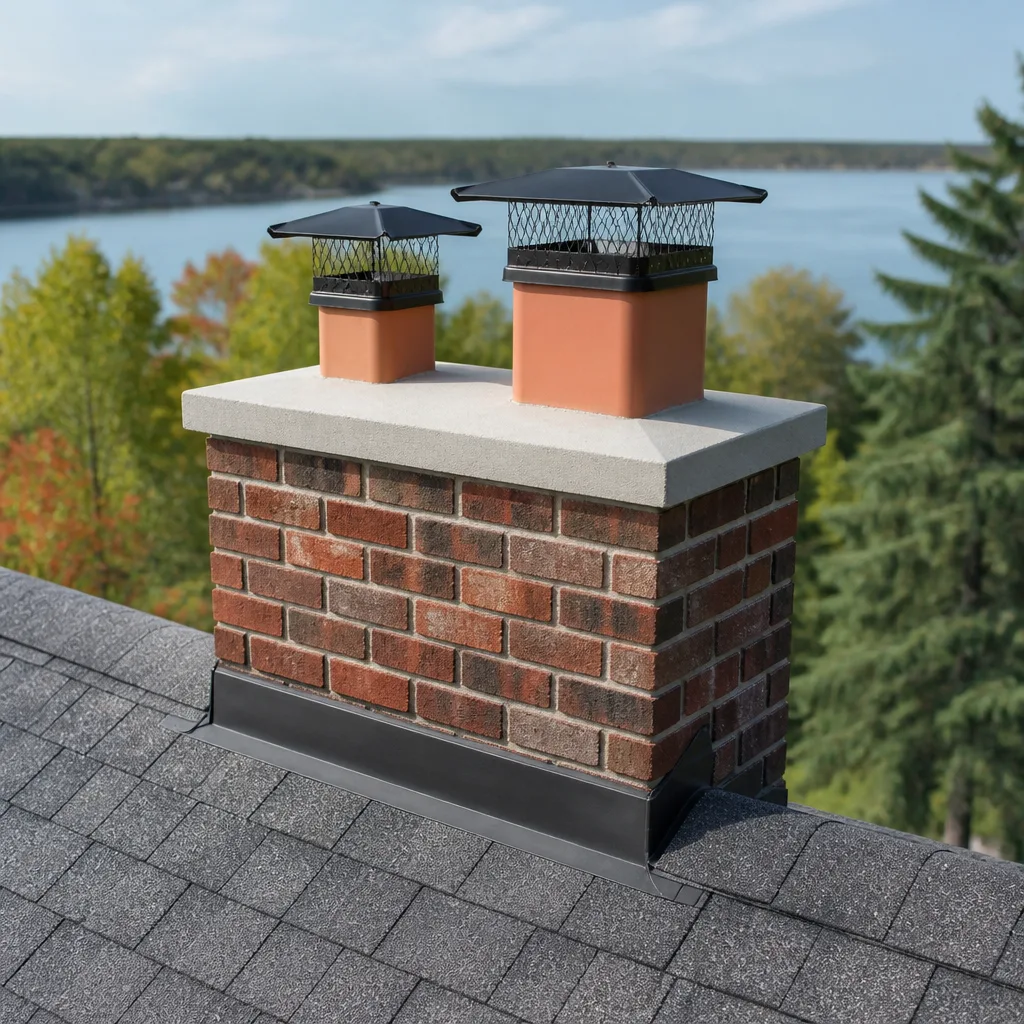 Caps & crowns
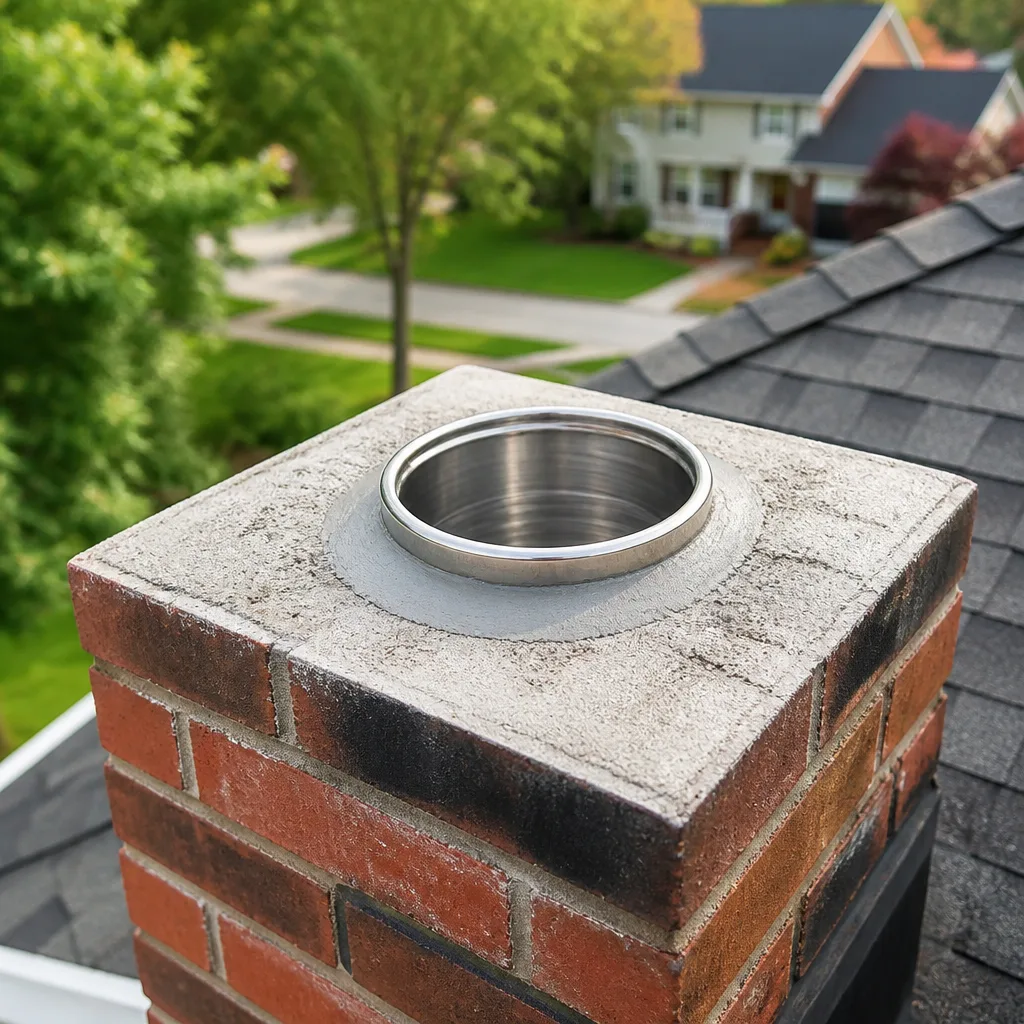 Flue relining
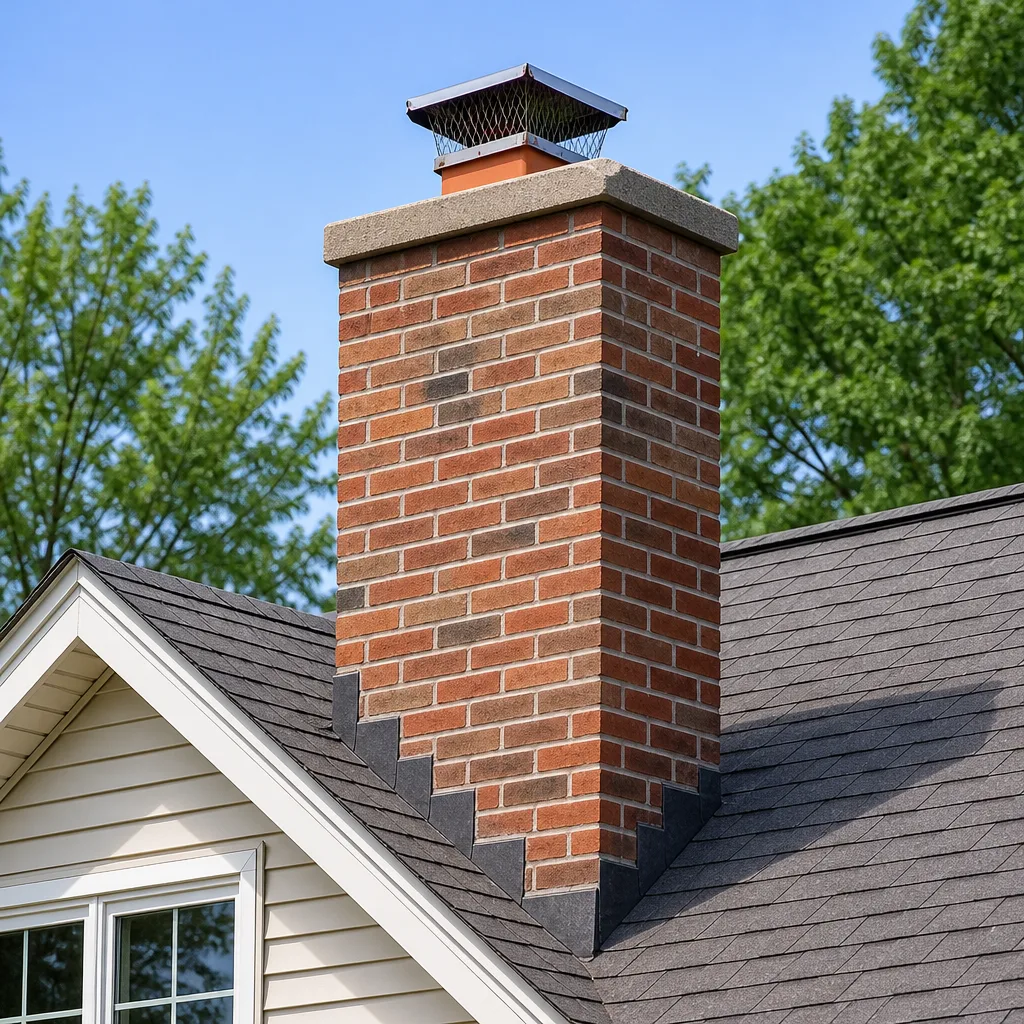 Masonry repair
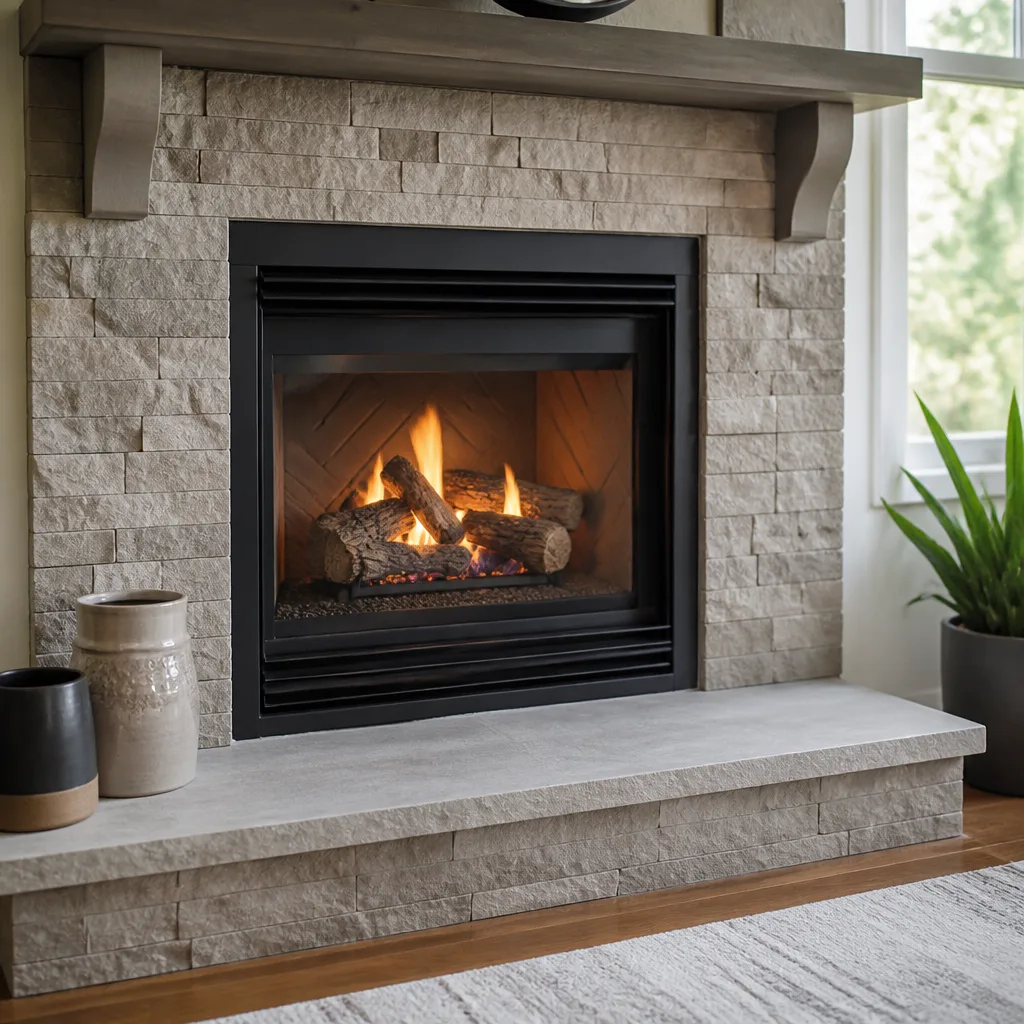 Gas fireplace service
Level 1 sweep and inspection to the NFPA 211 annual standard - flue, crown, cap, and flashing checked and photographed
Chimney sweep logs do not sweep chimneys. They loosen some creosote - which then falls where a brush and vacuum still have to collect it.
Seasonal Chimney Cleaning Care for Rancho Cordova: Year-Round Homeowner’s Guide
Most chimney guides are written for places with real winters, where a fireplace roars from Thanksgiving to March. Rancho Cordova is not that place. We burn maybe 20 to 30 nights a year, and that’s exactly what makes our chimneys dangerous: long dormancy in Sacramento Valley heat followed by sudden, intense use. This guide covers the seasonal rhythm that actually applies here, from swallow nesting in May to Spare the Air burn days in December, and what a Rancho Cordova homeowner should do in each window. For Chimney Cleaning Emergency Preparedness Guide for Rancho Cordova Homes, see our dedicated resource.
Styles & brands we work with
- Sweep & inspection
- Caps & crowns
- Flue relining
- Masonry repair
- Gas fireplace service
Quick Answer
In Rancho Cordova, the chimney care year has two critical windows: mid-October for a pre-burn season sweep and inspection, and late spring for a post-season moisture and cap check. The NFPA recommends annual inspection regardless of how little you burn, because our hot, dry summers crack crowns and invite animals into dormant flues even when the firebox never lights. A professional sweep before your first fire is the most direct way to prevent chimney fires and catch damage while it’s still a repair, not a replacement.
Table of Contents
- Summer: The Dormant Season Risks No One Talks About
- Fall: Why Mid-October Is the Optimal Service Window in Rancho Cordova
- Winter: Burn-Day Restrictions and What They Do to Creosote
- Wildfire Smoke: When Your Chimney Gets Dirty Even if You Never Use It
- Spring: Post-Season Tasks Before the Heat Arrives
- The Dryer Vent Question: A Seasonal Fire Risk That Never Takes a Season Off
- Common Mistakes to Avoid
- When to Call a Professional
- Frequently Asked Questions
- The Bottom Line
Summer: The Dormant Season Risks No One Talks About
From April through October, your fireplace does nothing. But your chimney is not idle. It sits in direct Sacramento Valley sun, absorbing 95-plus degree heat across its crown while the interior flue stays comparatively cool. That differential expands and contracts the mortar joints every single day. After five or six summers, hairline cracks appear. After ten, those cracks let water in. And water is the quiet killer of chimney systems in Rancho Cordova.
Here’s what we actually see in the summer months when homeowners finally call us in the fall:
- Swallow and starling nests in uncapped flues. Cliff swallows build mud nests in any opening they can find, and an uncapped flue tile is a perfect cavity. Starlings are worse, they pack nesting material deep into the flue where it becomes a fire load on the first burn.
- Crown cracking from UV and heat cycling. The concrete crown at the top of your chimney is the first line of defense against rain. Rancho Cordova’s summer sun bakes it, and hairline cracks expand into channels that let water reach the brick below.
- Brick spalling. Water that gets into brick faces freezes only rarely here, but it does expand and contract with heat. The result is flaking brick faces, called spalling, that progressively reduce the structural mass of your chimney.
- Critter intrusion beyond birds. Raccoons and squirrels also find their way into open flues during summer when food is abundant and nesting spots are scarce. A dead animal inside a flue creates an odor problem that no amount of air freshener will fix.
The takeaway: summer is not a “skip” season. It’s the season when damage is done. The good news is that most of it is preventable with a proper cap, a water repellent treatment on the crown, and a camera check after nesting season ends.
What to Do in Summer
- Visually check the cap from the ground. Use binoculars if you have them. Look for dangling nesting material, missing screen mesh, or a cap that’s shifted out of place.
- Check for water stains on the ceiling or wall near the fireplace. Summer thunder cells in the valley are brief but intense. If water is getting past the crown or flashing, you’ll see it inside before you smell it.
- Listen for birds or animals in the flue. If you hear scratching or chirping from the chimney chase, call a professional rather than attempting to smoke the animal out. That’s dangerous for both you and the animal.
- Schedule a camera inspection if you haven’t had one in two or more years. Summer is actually a fine time for this work. Technicians have more availability, and finding a problem in July means you have time to fix it before October.
At Bedrock Chimney Sweep home base, we run summer inspection calls all through the valley heat. Summer chimney work isn’t glamorous, but catching a cracked crown in July beats discovering it as water pours into your smoke chamber in November.
Fall: Why Mid-October Is the Optimal Service Window in Rancho Cordova
Every year around late September, we get a wave of calls from Rancho Cordova homeowners who just remembered their chimney exists. By mid-October, the scheduling gets tight. Here’s the thing: mid-October is not just “early enough.” It’s actually the ideal time to have your chimney swept and inspected in this specific climate.
Here’s why:
- The first Spare the Air restrictions typically arrive in November. Sacramento Metropolitan Air Quality Management District (SMAQMD) begins enforcing mandatory no-burn days when particulate matter rises. If your first fire is on a legal burn day in November and your flue hasn’t been inspected since last winter, you’re rolling dice.
- October weather is perfect for chimney work. Not blazing hot, not wet. Mortar and sealant cure properly. Technicians can access the roof safely without heat exhaustion or slippery tile.
- Animal removal is easier before they settle in. By mid-October, nesting season has ended, but animals haven’t necessarily moved in for winter. Clearing out summer nests before the first burn is straightforward and safe.
- You can fix problems before the demand surge. When we do an October inspection and find a cracked liner or failed mortar, there’s time to schedule a proper repair before the holidays. In December, those same repairs compete with gift-shopping schedules and rain delays.
The pre-season sweep itself: a Chimney Sweep in Rancho Cordova should include removal of all creosote from the flue walls, smoke chamber, damper, and firebox. That’s the NFPA standard. But at Bedrock, we also run a camera through the flue on every sweep, because a flue that looks clean from the top or bottom can hide cracked tile liners or a failed parge coat in the smoke chamber. We show you what we find, photo by photo. You should never be asked to trust a verbal summary when your house is on the line.
A Pre-Burn Checklist for Rancho Cordova Homeowners
- Schedule the sweep before Halloween. Beat the rush and get first choice of appointment times.
- Remove anything combustible from the hearth. Move furniture, rugs, and decor back a minimum of 36 inches from the firebox opening.
- Check your smoke and CO detectors. Replace batteries even if they chirp fine. A chimney fire can start slow and smolder for hours before it’s visible.
- Know the burn-day rules. Bookmark the SMAQMD website or download their app. Burning on a no-burn day in Rancho Cordova can result in fines, and repeated violations are enforced.
- Have your wood ready, but store it properly. Seasoned hardwood with a moisture content below 20 percent produces dramatically less creosote than wet or green wood. In our climate, wood stacked uncovered actually dries adequately, but covering the top keeps rain and morning dew off before burn night.
Winter: Burn-Day Restrictions and What They Do to Creosote
Here’s a pattern that surprises people: intermittent burning creates more creosote risk per fire than continuous burning. When you have a fire every night in a cold climate, the flue stays warm and creosote stays in a liquid or flaky form that partially burns off. When you burn once every 10 to 14 days, as many Rancho Cordova homeowners do under SMAQMD restrictions, each fire starts from a completely cold flue. The smoke cools rapidly against those cold walls, and creosote condenses as a thick, tar-like stage-two or stage-three deposit.
What does that mean in practice?
- Stage one creosote is light, dusty, and easy to remove with a brush. It forms from clean, hot fires.
- Stage two creosote is flaky and harder, more like granola. It requires more aggressive sweeping and often forms in flues that cycle between cold and hot.
- Stage three creosote is glazed, tar-like, and highly combustible. It forms from low-temperature, intermittent fires, especially with unseasoned wood. This is the stuff that ignites into chimney fires.
- Cold starts produce smoke. On the first fire after a dormant stretch, the flue is cold and the firebox is cold. The first 15 minutes of that fire produce the heaviest smoke and the fastest creosote condensation.
- Every cold start adds a layer. Ten separate cold starts per winter add more creosote than ten consecutive nights of burning, because the flue never gets a chance to bake off the deposits in between.
- Wet or green wood makes it dramatically worse. If your wood hasn’t been seasoned for a full year or has been sitting in the rain, it smolders at a low temperature. Low-temperature fires are creosote factories.
- A professional mid-season check is smart if you burn frequently. Some homes in Rancho Cordova do burn 40 or 50 nights a winter, especially those with efficient EPA-certified stoves. Those households should consider a mid-winter inspection if anything changes in the fire’s behavior.
- Clog the flue’s air path. Fine particulate accumulates in the corbels and offsets of the smoke chamber, narrowing the draft passage.
- Create odors on hot days. The smoke residue inside the flue activates in heat, pushing a campfire smell into the house even when nothing is burning.
- Attract moisture. Fine particulate is hygroscopic. It pulls moisture from the air, which then sits against your flue liner and accelerates corrosion, especially in metal liners.
- Mix with creosote to form a harder, stickier deposit. If you burn at all during or after a smoke event, the wildfire particulates and creosote combine into a stubborn residue that a standard brush misses.
- Flue cap inspection after wind and rain events. Rancho Cordova gets strong southerly winds in the spring. Caps can loosen, screens can rip, and mounting hardware can fail. A loose cap that clatters in the wind isn’t just annoying, it’s letting rain into the flue and giving critters an entry point.
- Moisture mapping in the smoke chamber. The smoke chamber is the most neglected part of a masonry chimney. Its corbeled brickwork is rough and porous, and it’s where water intrusion shows first. A camera inspection with moisture evidence will tell you if your crown and flashing held up through winter.
- Damper function check. Throat dampers warp with heat cycling. A damper that no longer seals tight lets conditioned air escape all summer, running up your AC bill and drawing Sacramento Valley dust into the house.
- Shoulder-season animal intrusion check. Spring is when birds and squirrels are most active. If your cap screen has any hole larger than a quarter, something will find it.
- Clothes take longer than one cycle to dry. This is the most common early sign of restricted airflow.
- The dryer exterior is hot to the touch. The machine is overheating because heat can’t escape through a clogged vent.
- A burning smell when the dryer runs. This is an urgent sign. Stop using the dryer and call a professional.
- Lint visible around the exterior vent flap. That means the vent is dumping lint where it can re-enter or accumulate around the exit point.
- Skipping the sweep because you didn’t burn much. Even 10 fires per season in Rancho Cordova can leave enough creosote to support a chimney fire, especially if those fires were cold-start burns with less-than-ideal wood.
- Assuming a gas fireplace needs no maintenance. Gas logs and inserts still vent combustion gases through the flue. Soot, corrosion, and animal intrusion affect gas chimneys too. The NFPA inspection guideline applies to gas appliances.
- Ignoring Spare the Air restrictions. Burning on a no-burn day isn’t just a fine risk. It also signals that you’re burning under conditions where smoke doesn’t disperse, which drives particulate back toward your own home through windows, doors, and the flue.
- Not checking the cap screen for holes. A hole the size of a nickel is enough for most small birds. A hole the size of a quarter welcomes starlings and squirrels. Once an animal has nested in the flue, the cleanup is more expensive than the cap repair would have been.
- Using wet or unseasoned wood because it’s what you have. The short-term convenience of burning green wood costs you in creosote buildup and smoky fires. Seasoned hardwood is the only wood that belongs in a Rancho Cordova fireplace.
- Treating the chimney and dryer vent as separate systems. Both are venting systems that carry combustion byproducts or lint out of the home, and both are fire risks when neglected. A specialist who can assess both in one visit saves you a second appointment.
Rancho Cordova’s stop-start burning pattern, combined with the natural draft variations in a warm climate, pushes many flues toward stage two and three creosote faster than the number of fires would suggest. That’s why “I only burned a few times” is not a reason to skip the sweep. It might be the reason you need one.
Burn-day compliance is not optional. SMAQMD issues mandatory no-burn days from November through February when particulate levels are forecast to spike. You can check the daily burn status at the SMAQMD website or through their phone line. Burning when prohibited is a violation with real fines, so understanding Chimney Cleaning Permits, Codes & Inspections in CA: What You Need to Know matters. Gas inserts and gas log sets are generally exempt from burn restrictions, but wood-burning fireplaces and stoves are not.
What Intermittent Burning Means for Your Creosote Buildup
Wildfire Smoke: When Your Chimney Gets Dirty Even if You Never Use It
Rancho Cordova sits in a valley that collects smoke from wildfires across Northern California. During the worst fire seasons, the outdoor air quality index can exceed 300, and that particulate load doesn’t stay outside. It enters your home through every opening, including your chimney flue.
Here’s what we’ve learned from inspecting flues after heavy smoke events: wildfire particulates are fine, and they’re sticky. They coat the interior of the flue liner with a layer of soot-like material that, over multiple smoke events, builds up in the same way creosote does. It’s not as flammable as creosote, but it does:
The practical takeaway: even if you never light a fire, your chimney in Rancho Cordova is collecting particulate matter during wildfire season. A camera inspection after a heavy smoke season will show you exactly what’s in there. And if you plan to burn that winter, a sweep before the first fire clears the wildfire residue and the previous year’s creosote in one pass.
Spring: Post-Season Tasks Before the Heat Arrives
Once the last fire of the season is out, most people forget about their chimney until October. That’s a mistake in this climate. Spring is the best time to address issues that winter exposed, because you have months of good weather to get repairs done without pressure.
A post-season check should cover these specific items:
For homes with Chimney Repair in Rancho Cordova needs identified over winter, spring is the time to schedule the work. Masonry repairs, crown rebuilding, and flashing replacement all need dry, warm weather to cure properly. Summer heat and fall rain both complicate these repairs. Spring is the sweet spot, and our crews have the most scheduling flexibility in March, April, and May.
The Dryer Vent Question: A Seasonal Fire Risk That Never Takes a Season Off
While this guide is focused on chimney care, we’d be doing Rancho Cordova homeowners a disservice if we didn’t address the dryer vent. Lint buildup is the leading cause of home dryer fires, and it has a seasonal pattern that mirrors chimney risk.
In summer, dryers work harder because families are outside more and doing more loads: swimsuits, towels, hiking clothes, sports uniforms. That’s more lint through the vent. In winter, the air is drier and static electricity increases lint accumulation. There’s no seasonal off-ramp for dryer vents, which is why the recommendation is an annual cleaning regardless of climate.
Signs your dryer vent needs attention:
Dryer Vent Cleaning in Rancho Cordova is a core service at Bedrock, not an upsell afterthought. We route the same camera and air tools through dryer vents as we do through chimneys, because the fire risk is just as real. A lint-clogged dryer vent is typically a 30 to 45 minute fix, and it’s one of the highest-value safety services available to any homeowner.
Common Mistakes to Avoid
When to Call a Professional
You should call a chimney professional any time you notice: smoke entering the room instead of drafting up the flue, a persistent campfire smell when the fireplace isn’t in use, water stains on the ceiling near the chimney, or pieces of flue tile or brick in the firebox. Any of these indicates a problem that brush-and-vacuum cleaning will not solve. If birds or animals have been in the chimney, a professional removal and cap repair is required before the next burn. If you haven’t had a camera inspection in three or more years, schedule one even if you don’t suspect a problem.
Bedrock Chimney Sweep offers free estimates in Rancho Cordova. Call (877) 752-8010 and we’ll come out, inspect, and show you exactly what needs attention, with photos and a straight answer about whether you can safely wait.
Frequently Asked Questions
A standard chimney sweep in Rancho Cordova typically runs between $180 and $350 depending on the flue type, level of creosote, and whether it’s a masonry or factory-built system. For full details, see our Chimney Cleaning Cost Breakdown: The Rancho Cordova Homeowner’s Reference for 2026. At Bedrock Chimney Sweep, the estimate is free and includes a camera inspection, so you’ll know the exact cost before any work begins. Call (877) 752-8010 to schedule.
Yes. Even 10 to 20 burn nights per season creates creosote, and our warm, dry summers mean that creosote sits in the flue for months, hardening into a more stubborn form. The NFPA recommends annual inspection regardless of burn frequency. The few times you do burn, you need that flue to be safe.
Annually, same as anywhere else. The difference in Rancho Cordova is that the dormant summer season introduces additional risks like animal nesting, crown cracking, and UV damage that make the pre-season inspection even more important. If you burn more than 30 nights per winter, consider a mid-season check.
Creosote accumulates in stages. One skipped year with moderate burning typically leaves stage-two creosote that requires more aggressive removal. Two or more skipped years can produce glazed creosote that requires chemical treatment or rotary tools just to get it off the flue walls. The sweep gets more expensive, and the fire risk increases with every burn.
We don’t recommend it. Without proper brushes and vacuum equipment, you’ll leave creosote in the smoke chamber and behind the damper where most chimney fires actually start. You also won’t be able to inspect the liner for cracks or hidden damage. A professional sweep includes that inspection as part of the service.
Yes. Dryer vents can be significantly clogged before you notice performance issues. The lint is combustible, and when it’s packed against a hot dryer exhaust, it creates a fire risk that has nothing to do with how well your clothes dry. Annual cleaning is the safety standard, and it’s part of the full venting-system service at Bedrock.
The Bottom Line
Rancho Cordova’s climate changes the chimney care equation. We don’t burn enough to bake off creosote the way cold-climate homes do, but we do expose our flues to relentless summer heat, animal intrusion, and wildfire particulates. The result is a system that needs attention once a year, on schedule, without exception. Get your sweep and camera inspection in October, mind the SMAQMD burn days in winter, check your cap and moisture in spring, and don’t ignore the dryer vent in between. Your entire venting system is only as safe as its least-maintained component.
Written by the team at Bedrock Chimney Sweep, serving Rancho Cordova since 2014.
See the difference
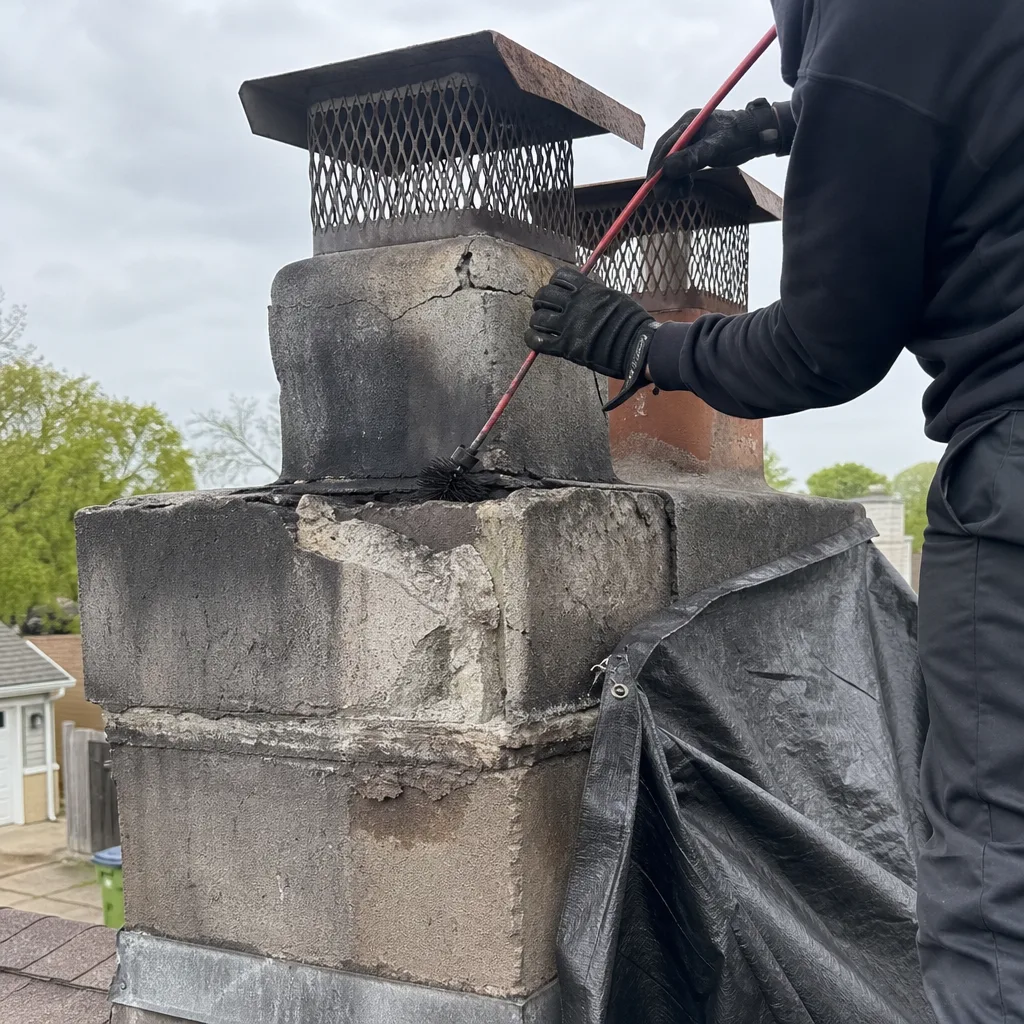 Before
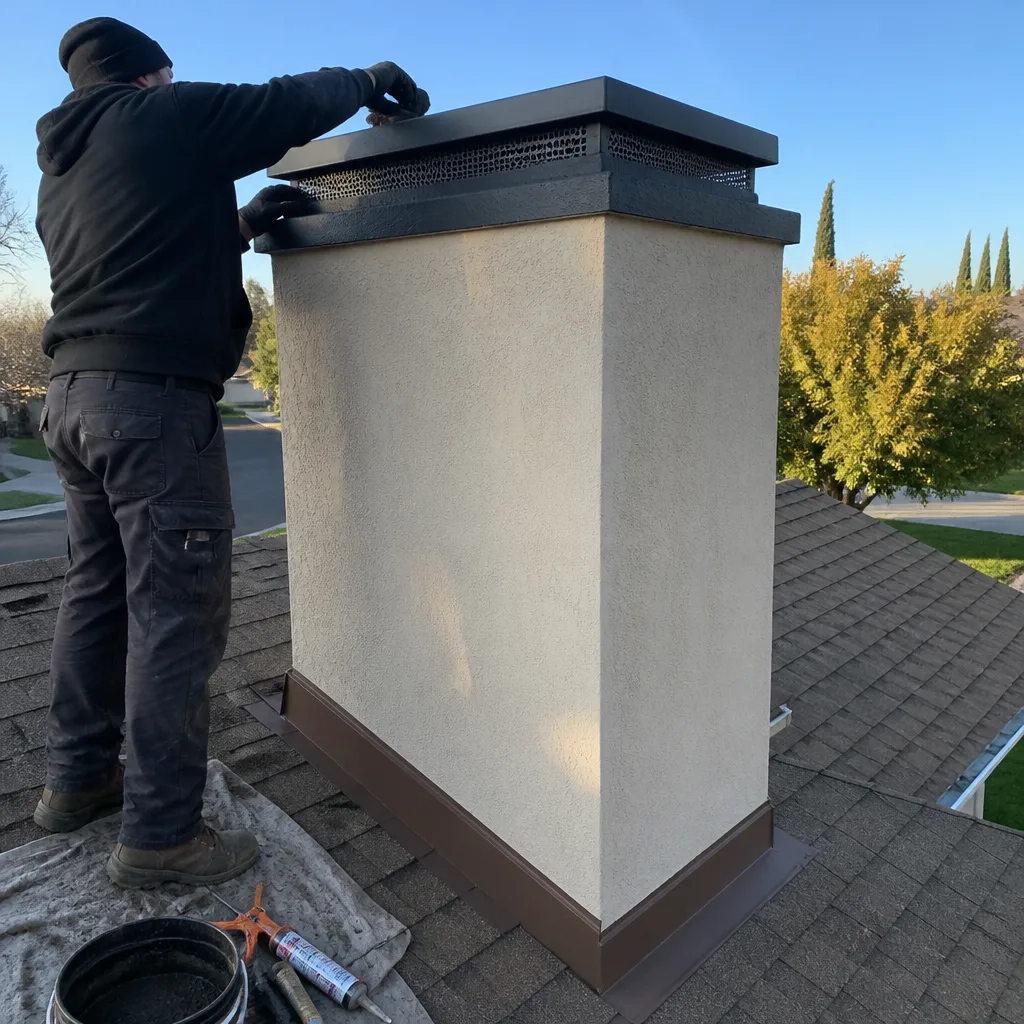 After
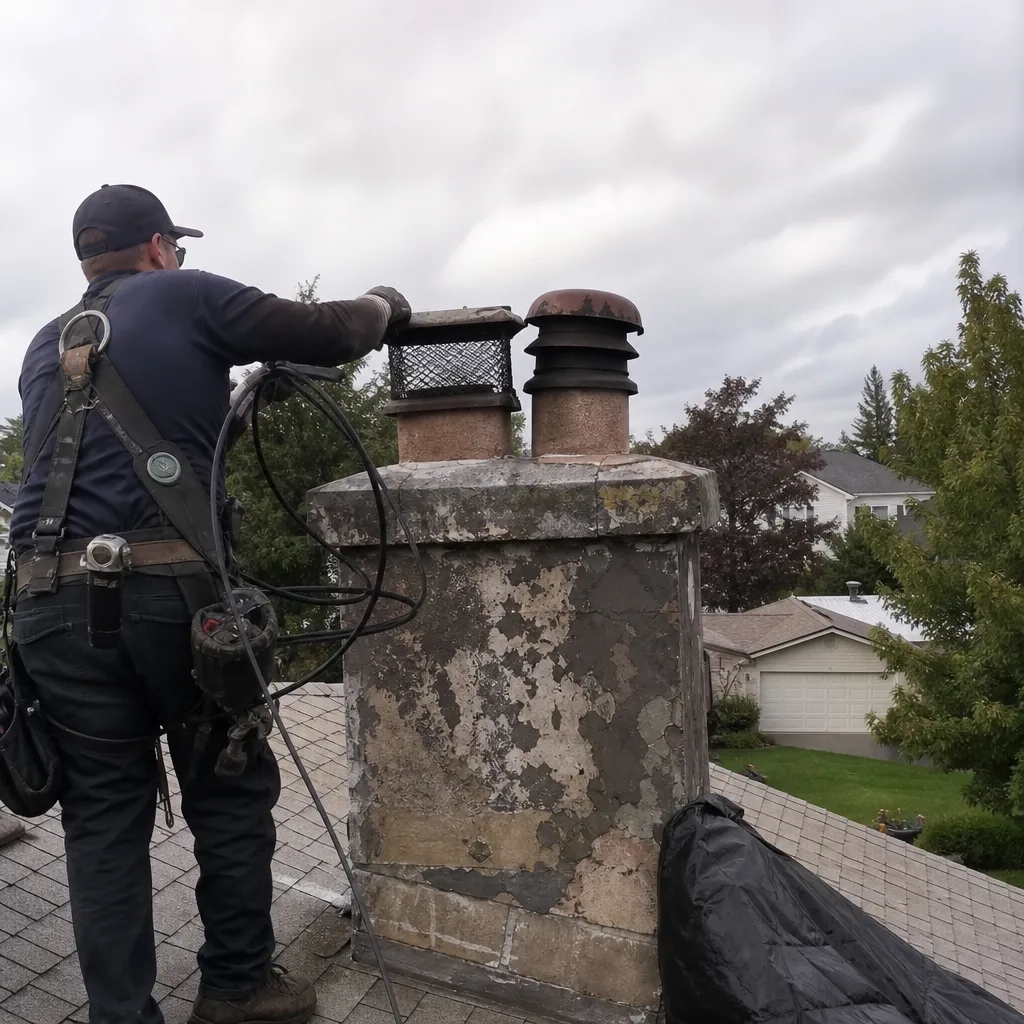 Before
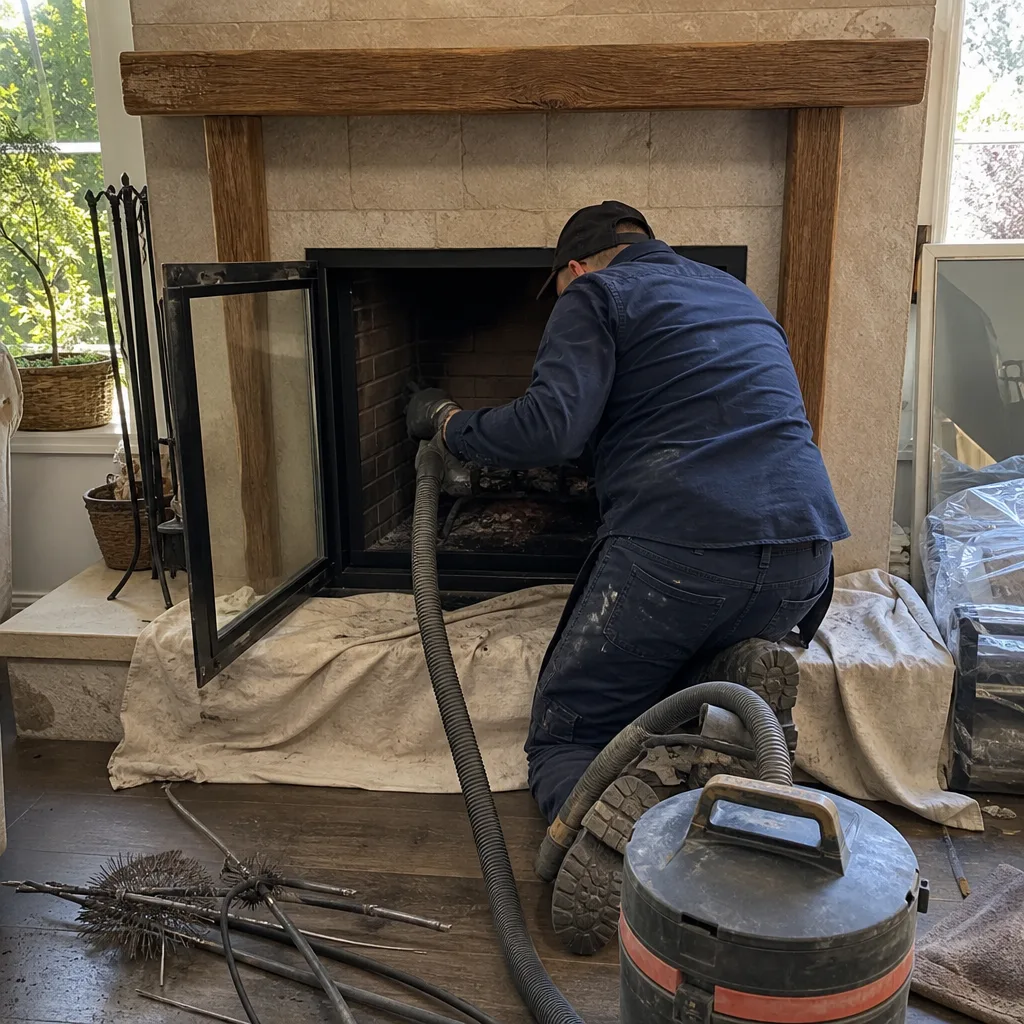 After
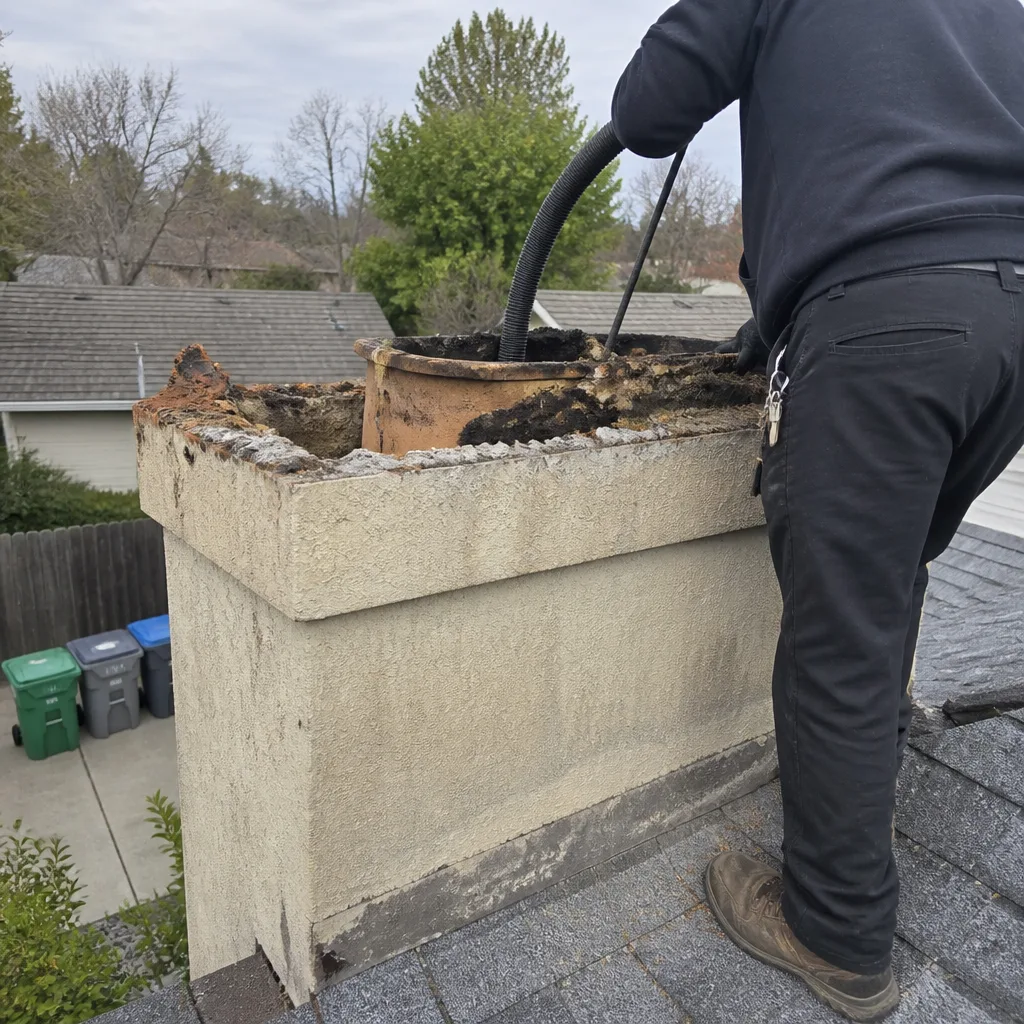 Before
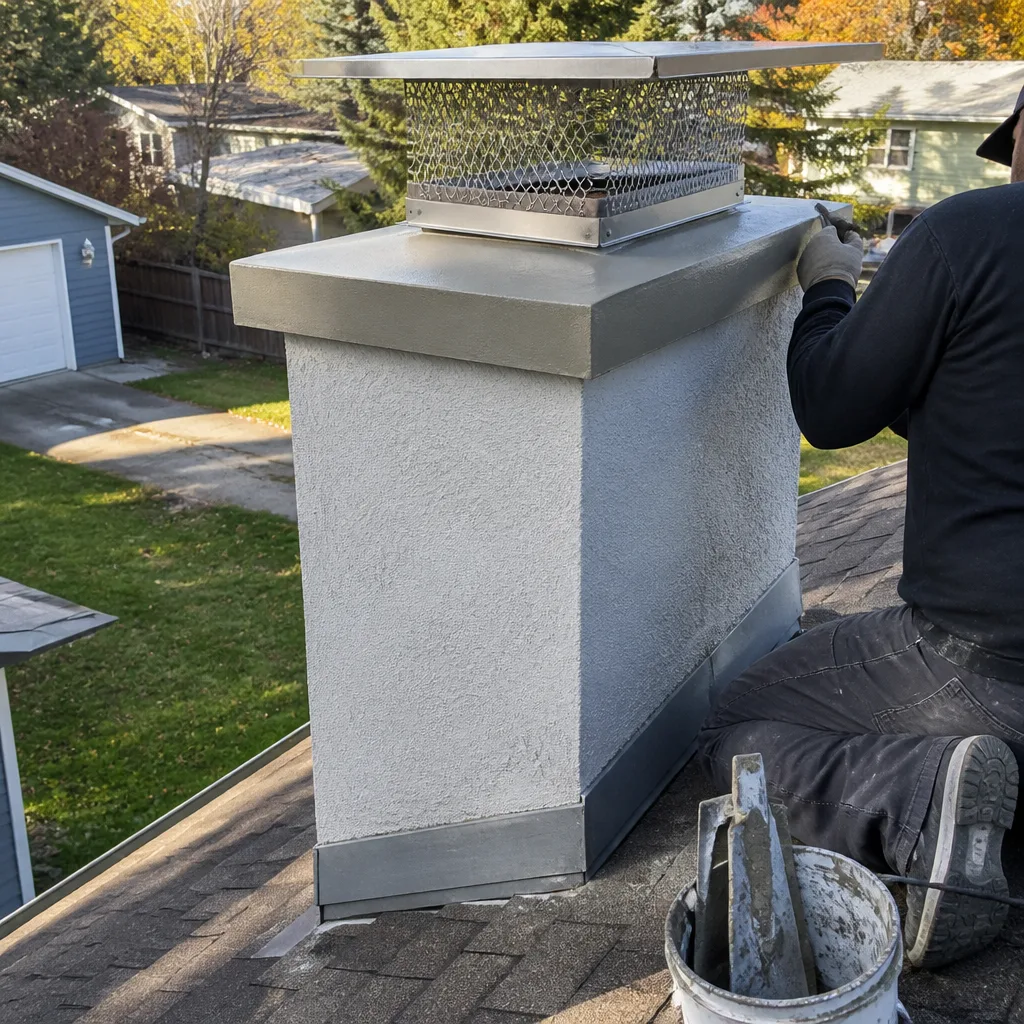 After