
Last updated November 2, 2026
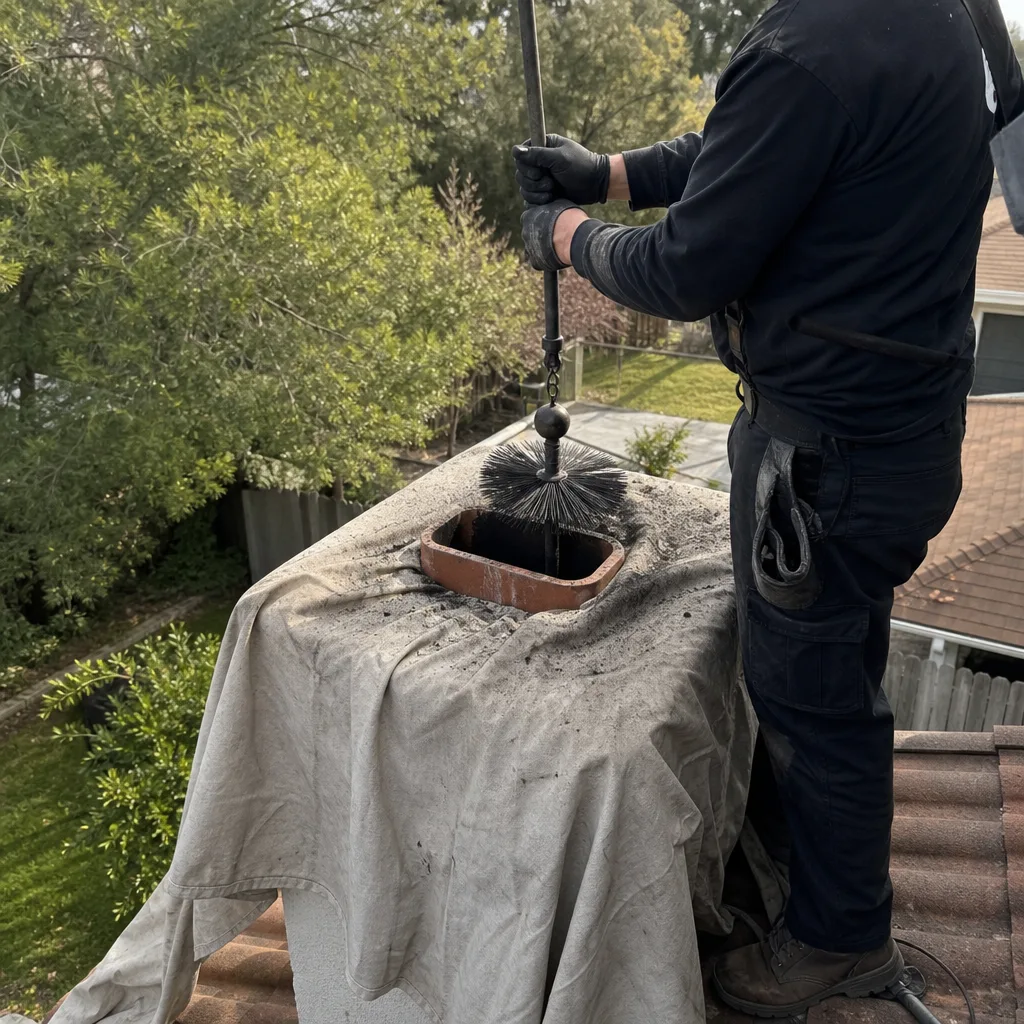
 Sweep & inspection
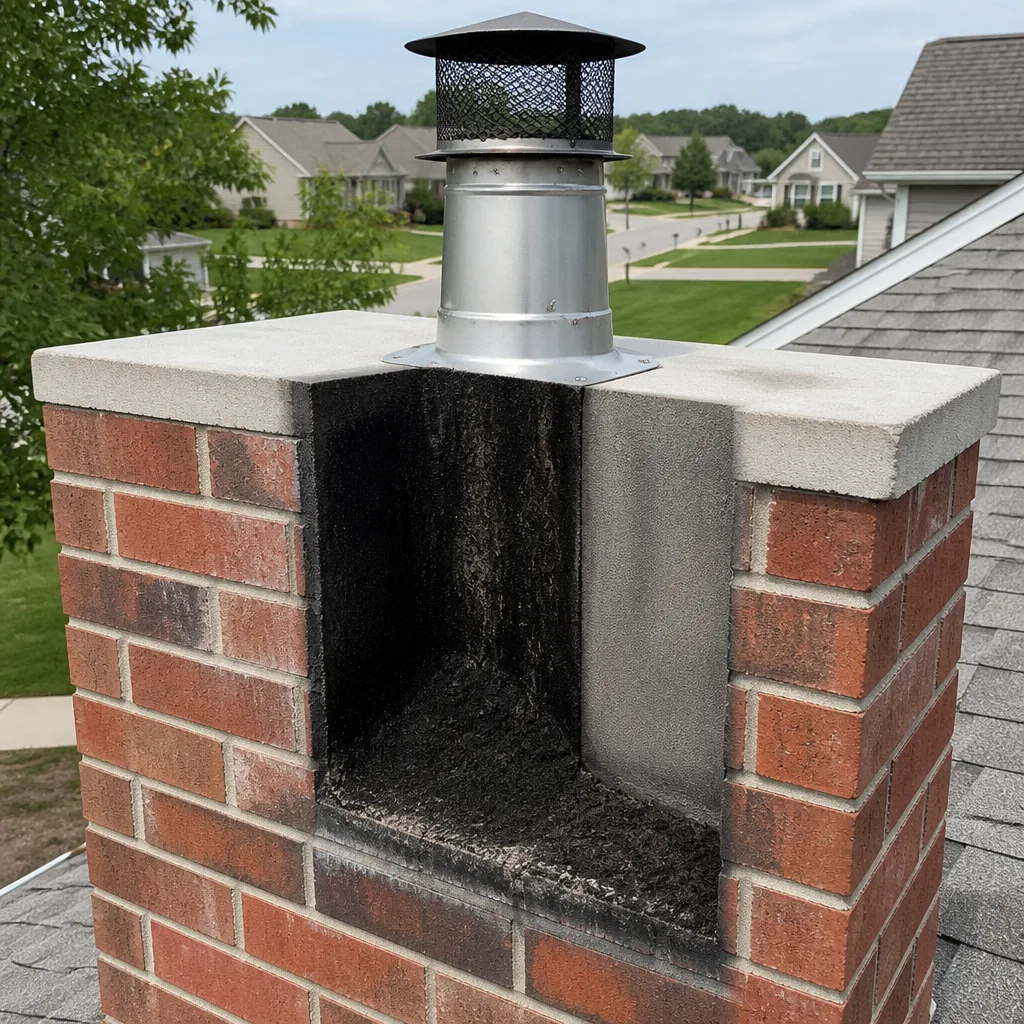
 Caps & crowns
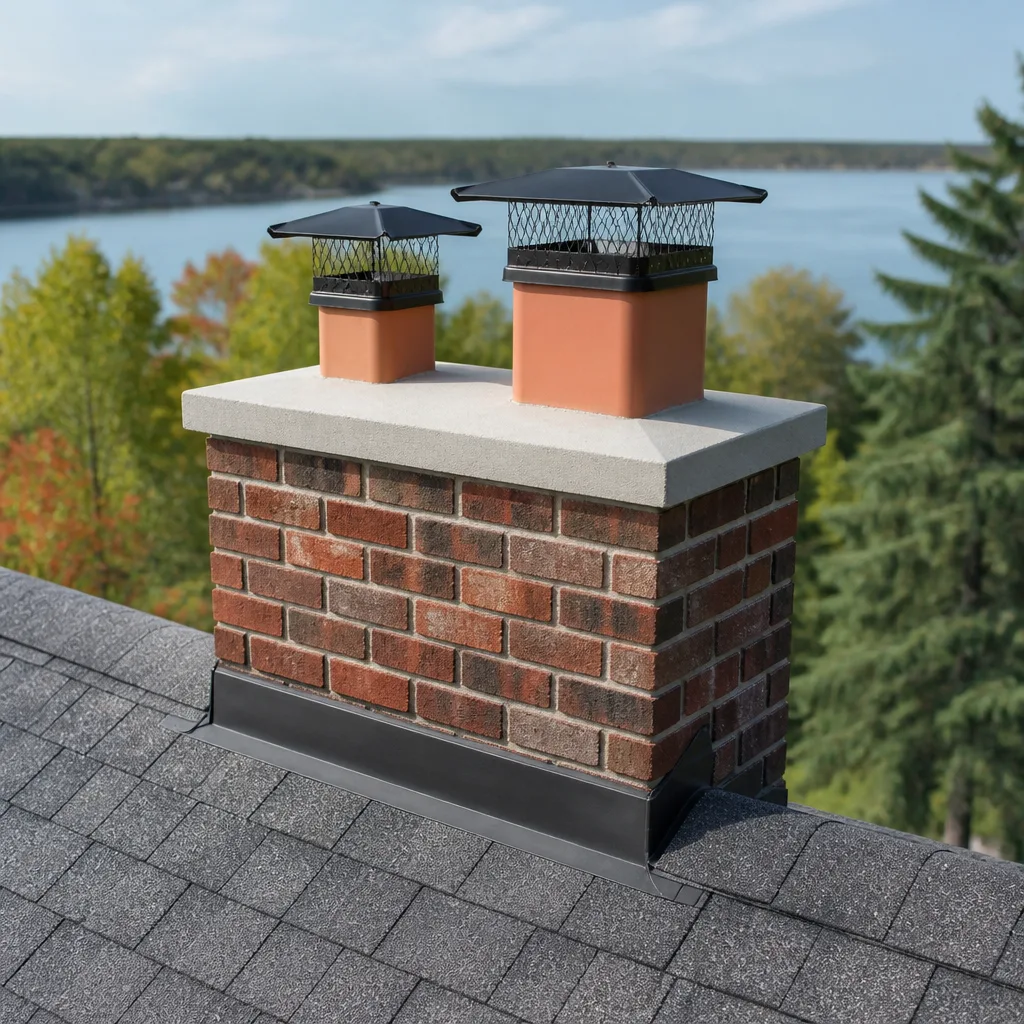
 Flue relining
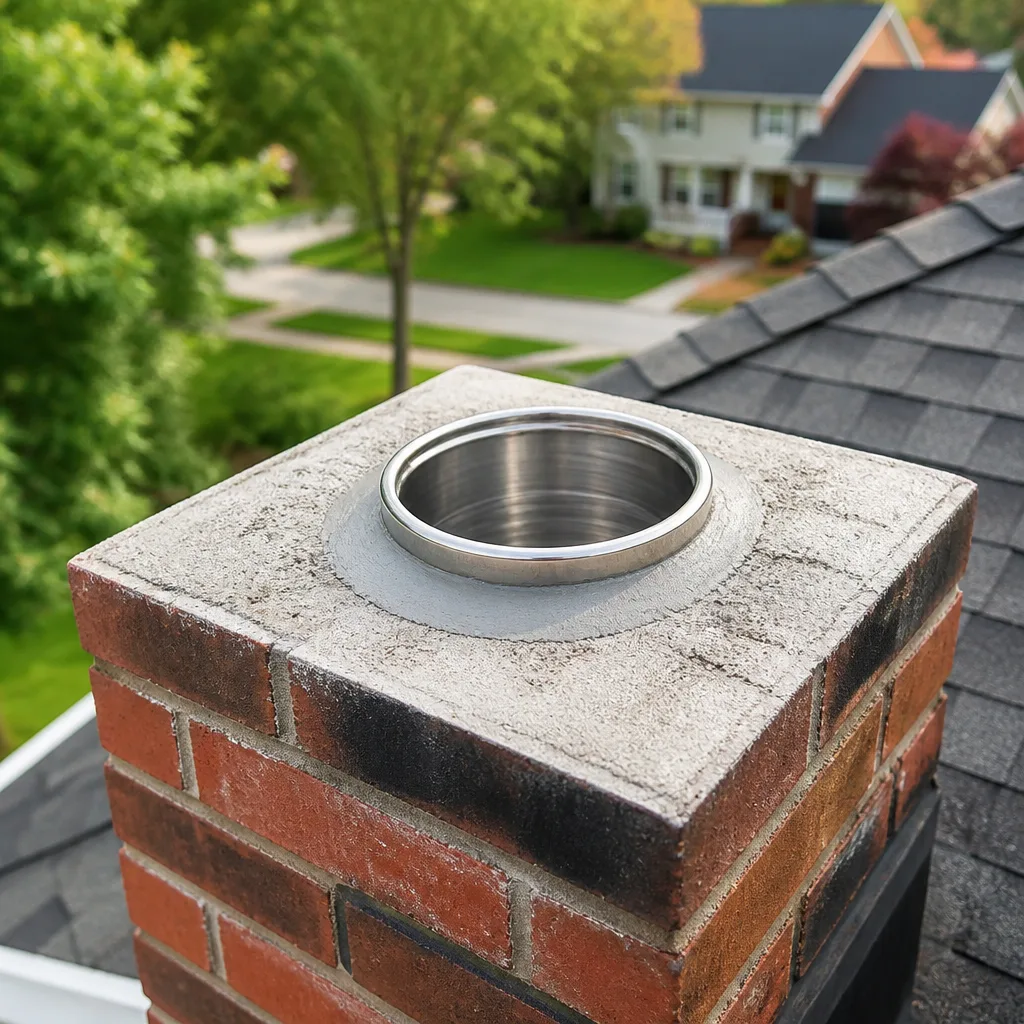
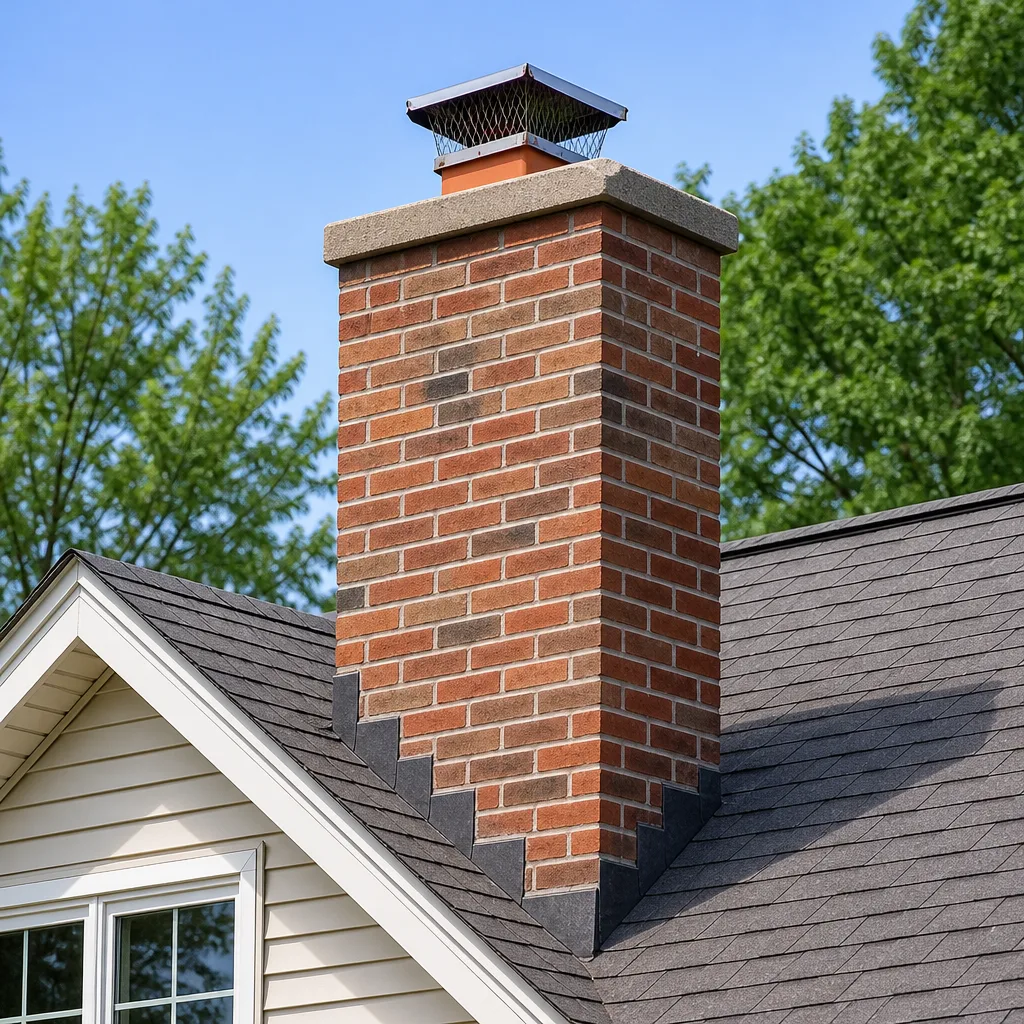 Masonry repair
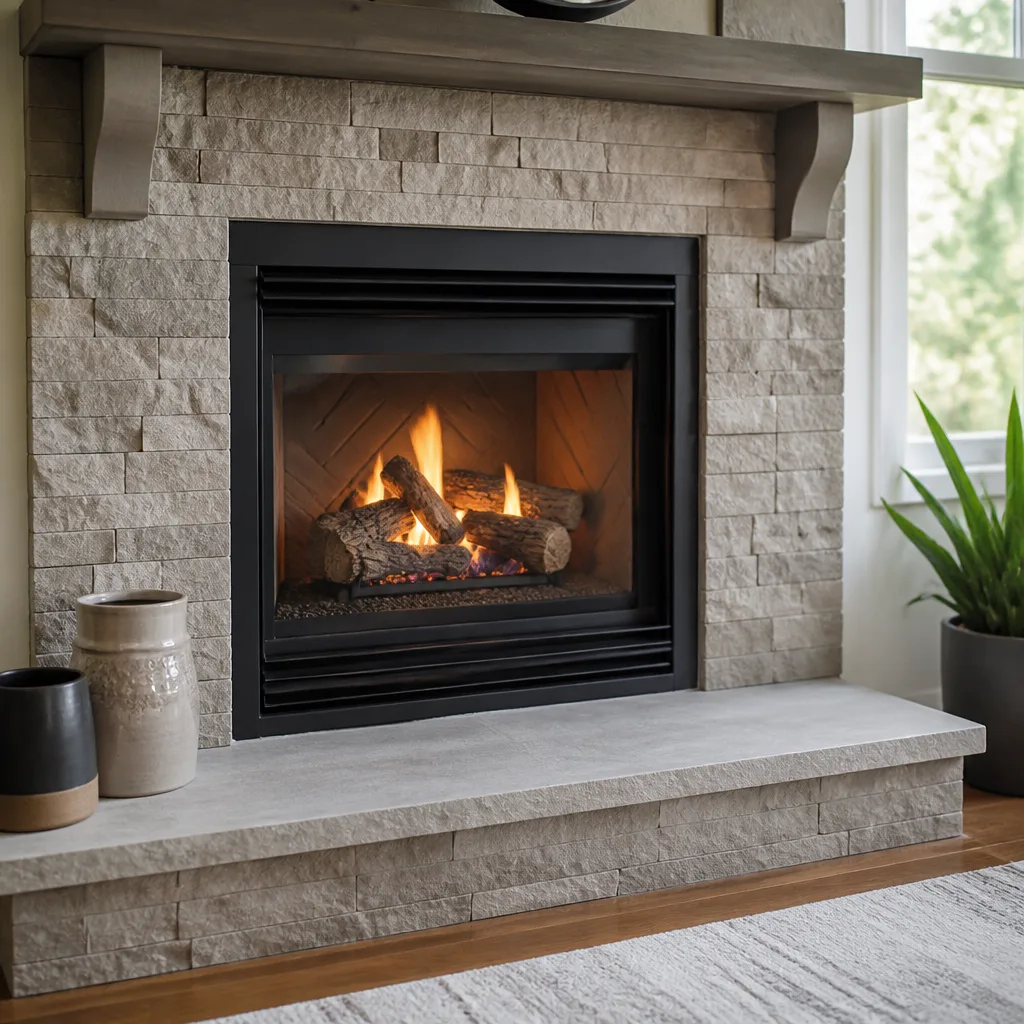 Gas fireplace service
Level 1 sweep and inspection to the NFPA 211 annual standard - flue, crown, cap, and flashing checked and photographed
Chimney sweep logs do not sweep chimneys. They loosen some creosote - which then falls where a brush and vacuum still have to collect it.
Chimney Cleaning Emergency Preparedness Guide for Rancho Cordova Homes
In August 2020, during one of the first major Public Safety Power Shutoff events to hit the Sacramento Valley, fire departments across the region logged a pattern that caught a lot of people off guard: chimney-related calls spiked in neighborhoods that rarely burn. Households that had not lit a fire in years were suddenly firing up wood stoves and fireplaces during outage windows, often with flues that had not been inspected since the previous decade. Rancho Cordova was no exception. Our neighborhoods sit in a unique position where heat events, PSPS shutoffs, and wildfire smoke season now overlap almost every year from August through November. This guide walks through how to make sure your chimney is ready before you need it, and what to do in the moment if you find yourself feeding a fire during an emergency you did not plan for. For more, see our Chimney Cleaning Warning Signs: A Rancho Cordova Homeowner’s Reference Guide.
Quick Answer
Chimney emergency preparedness in Rancho Cordova means completing a 10-minute visual readiness check before wildfire season, knowing the difference between a damper problem and a flue blockage when smoke enters your home, and having a carbon monoxide detector placed within 15 feet of your fireplace, not just in a hallway. A chimney that has sat unused for multiple seasons often develops hidden hazards like animal nests and heavy creosote that become dangerous exactly when a power outage pushes you to burn. One pre-season inspection prevents most emergency scenarios entirely.
Styles & brands we work with
- Sweep & inspection
- Caps & crowns
- Flue relining
- Masonry repair
- Gas fireplace service
Table of Contents
- Why Rancho Cordova Chimney Risks Are Different
- The 10-Minute Homeowner Readiness Check
- Smoke Inside the Home: A Decision Tree
- Carbon Monoxide and Emergency Fireplace Use
- Building a Chimney Emergency Kit
- What PSPS Events Teach Us About Chimney Prep
- Common Mistakes to Avoid
- When to Call a Professional
- Frequently Asked Questions
Why Rancho Cordova Chimney Risks Are Different
Rancho Cordova sits in a climate band where fireplaces go dormant for most of the year, then get pressed into service under the worst possible conditions. The Sacramento Valley’s hot, dry summers mean chimneys sit idle from roughly April through October. During those months, birds build nests in flues, squirrels drop debris down the liner, and any residual creosote from the previous burning season hardens into a dense, stubborn layer. When the first cold snap or PSPS event arrives in October or November, that chimney gets asked to perform at full capacity with no warm-up period.
We see this pattern every year in Rancho Cordova. Homeowners in neighborhoods like Anatolia, Sunridge, and Capital Village call us after an outage night when the fire would not draw, or worse, when smoke backed into the living room. The flue was not broken. It was simply never inspected after years of seasonal neglect. The issue is not that fireplaces degrade quickly here. It is that the gap between last use and next use is so long that problems accumulate silently.
What makes Rancho Cordova distinct from, say, a mountain community that burns daily all winter is the irregularity of use. A chimney that burns every evening develops creosote, but the homeowner notices performance changes. A chimney that burns once every two years develops blockages no one notices until the night the power goes out and the family is counting on that fire for heat and light.
The 10-Minute Homeowner Readiness Check
You do not need specialized tools to get a rough sense of whether your chimney is emergency-ready. This is not a substitute for a professional sweep and inspection – see Chimney Cleaning Permits, Codes & Inspections in CA: What You Need to Know for regulatory context – but it catches the obvious problems that turn an outage night into a smoke-filled nightmare. Run this check in early September, before PSPS season and wildfire smoke create the first wave of emergency fireplace use.
- Look up the flue with a flashlight. Open the damper and shine a bright light up from the firebox. You should see a clear, open passage. If you see nesting material, debris, or a dark wall of creosote, do not burn.
- Check the damper operation. Open and close the damper fully. It should move freely without sticking. A damper that jams half-open during a fire creates an immediate smoke problem.
- Look for daylight at the chimney cap. From outside, check that the cap is in place and not visibly blocked. A missing cap almost guarantees animal intrusion.
- Inspect the firebox floor. Look for loose bricks, cracks, or a buildup of ash from last season. A cracked firebox floor can allow heat to reach combustible materials beneath.
- Check the exterior masonry. Walk around and look for spalling bricks, missing mortar, or visible cracking. Structural compromise in the chimney is a safety issue in any burning scenario.
- Note any odor. A strong, sharp, campfire-like smell inside the home when the fireplace is not in use signals a draft-drawing creosote buildup that needs attention.
If any single check fails, do not light a fire during an emergency. The physical consequences of a blocked flue or damaged firebox do not care that the power is out. They care about physics.
Smoke Inside the Home: A Decision Tree
Smoke entering the living space during fireplace use is never normal, but not every smoke event requires the same response. Here is the decision process we coach our Rancho Cordova customers through, in order of severity.
- A thin wisp of smoke, only at startup, that clears within two minutes. This is usually a cold-flue draft reversal, especially common on the first fire of the season when the chimney is the same temperature as the outdoors. Fix: open the damper fully, crack a nearby window to establish draft, and use a fire starter rather than newspaper. If the smoke does not clear within two minutes, move to step 2.
- Persistent smoke that smells like wood, not chemicals. The flue is partially blocked or the damper is not opening correctly. This is the “adjust, do not wait” step. Close the damper slightly to slow the draft, adjust the fire to reduce fuel load, and keep a window open. If smoke continues to fill the room, move to step 3.
- Smoke that smells acrid, chemical, or like burning plastic. This suggests creosote ignition in the flue or foreign material burning inside the chimney. Evacuate the home immediately and call 911. This is a chimney fire. Do not try to manage it yourself, do not pour water on it, and do not wait to see if it self-resolves.
- Smoke plus visible flames at the top of the chimney. This is an active chimney fire. Same response as step 3: evacuate, call 911, close the damper if you can do so without approaching the firebox directly.
The key distinction that trips up homeowners is between a draft problem and a blockage problem. A draft problem you can often solve with a damper adjustment and a window. A blockage problem rarely resolves without professional intervention, and trying to push through it turns a ventilation failure into a smoke damage event or worse. The Chimney Sweep in Rancho Cordova service includes camera inspection precisely because we want homeowners to see the flue condition for themselves, not take our word for it.
Carbon Monoxide and Emergency Fireplace Use
Carbon monoxide is the quietest danger in emergency fireplace scenarios, and it gets overlooked because people associate CO with gas appliances, not wood fires. Here is the reality: any combustion process produces carbon monoxide, and a blocked or poorly drafting flue traps that gas in the home. During a power outage, when windows are closed against the cold and family members sleep in the living room to stay warm, the risk profile changes dramatically.
Animal nests and debris accumulation during Rancho Cordova’s long dormant season are the leading cause of blocked flues that create CO backup. A squirrel builds a nest in June. The nest dries out by October. The homeowner lights a fire during a PSPS event, and the flue, partially obstructed, cannot vent the combustion gases fast enough. The fire burns, the family feels warm, and the CO level in the room rises slowly. Because CO is odorless and colorless, the first symptom is often headache, dizziness, or nausea. By the time someone recognizes the problem, the situation may be critical.
The placement of CO detectors matters more than most people realize during fireplace use. A detector in the hallway outside the bedrooms is good. A detector within 15 feet of the fireplace is better, because that is where the CO concentration will rise first. If your home has a single CO detector on the second floor and the fireplace is on the first, you are measuring the wrong room. We recommend one CO detector on every floor, with at least one placed in the room that contains the primary heating appliance, including the fireplace.
Building a Chimney Emergency Kit
An emergency kit for chimney readiness does not look like a wilderness survival pack. It is a small collection of items that solve the specific problems that arise when you need to burn during an outage. Put these in a plastic bin near the fireplace or in a utility closet, and you will not be fumbling for them in the dark.
- Your most recent chimney inspection report. This tells you, in writing, whether the flue was cleared for burning and when. If the report is older than 12 months, treat the chimney as uninspected.
- A damper lock or clamp. This is a small metal device that prevents the damper from closing fully. For gas fireplaces, this is code-required. For wood fireplaces, it is a useful safeguard against accidental closure. Hardware stores carry them for under $15.
- A CO detector with a fresh battery, placed within 15 feet of the fireplace. Not in a drawer. Installed and tested.
- A flashlight with charged batteries. Needed both for checking the flue before burning and for general outage navigation.
- A fire extinguisher rated for Class A fires. Keep it accessible, not buried in the back of a pantry. Know how to use it before you need it.
- The phone number for a chimney professional. When an outage emergency exposes a flue problem, you want a number you can call that rings to a real person. Write it on paper, because your phone battery will not last forever during a prolonged outage.
What PSPS Events Teach Us About Chimney Prep
PG&E’s Public Safety Power Shutoff program has changed how Rancho Cordova homeowners use their fireplaces, and the fire department data tells the story. During high-wind, low-humidity periods when wildfire risk peaks, PG&E de-energizes specific circuits in the Sacramento Valley to reduce ignition risk. These outages can last from hours to multiple days, depending on weather conditions and damage assessments. What fire departments across the region observed during the first major PSPS seasons was a spike in chimney-related calls from neighborhoods that do not typically burn wood.
The connection is direct. A household loses power at 8 p.m. The temperature drops. The family lights the fireplace for the first time in three years. The flue, blocked by a squirrel nest or a wasp hive, does not draft. Smoke fills the room. Panic follows. The fire department arrives to find a situation that could have been prevented with a September inspection.
This pattern is not isolated to Rancho Cordova, but our proximity to high-wind corridor zones, combined with the long dormant season for fireplaces, makes the risk especially concentrated. The lesson is simple: if a PSPS event is possible in October, your chimney needs to be cleared and inspected in September. You cannot schedule a sweep during an outage.
For homeowners who use gas fireplaces or inserts during outages, the risk profile is different but not zero. Gas fireplaces still require a vented flue, and a blocked flue on a gas unit creates CO buildup rather than visible smoke. The inspection need is the same.
See the difference
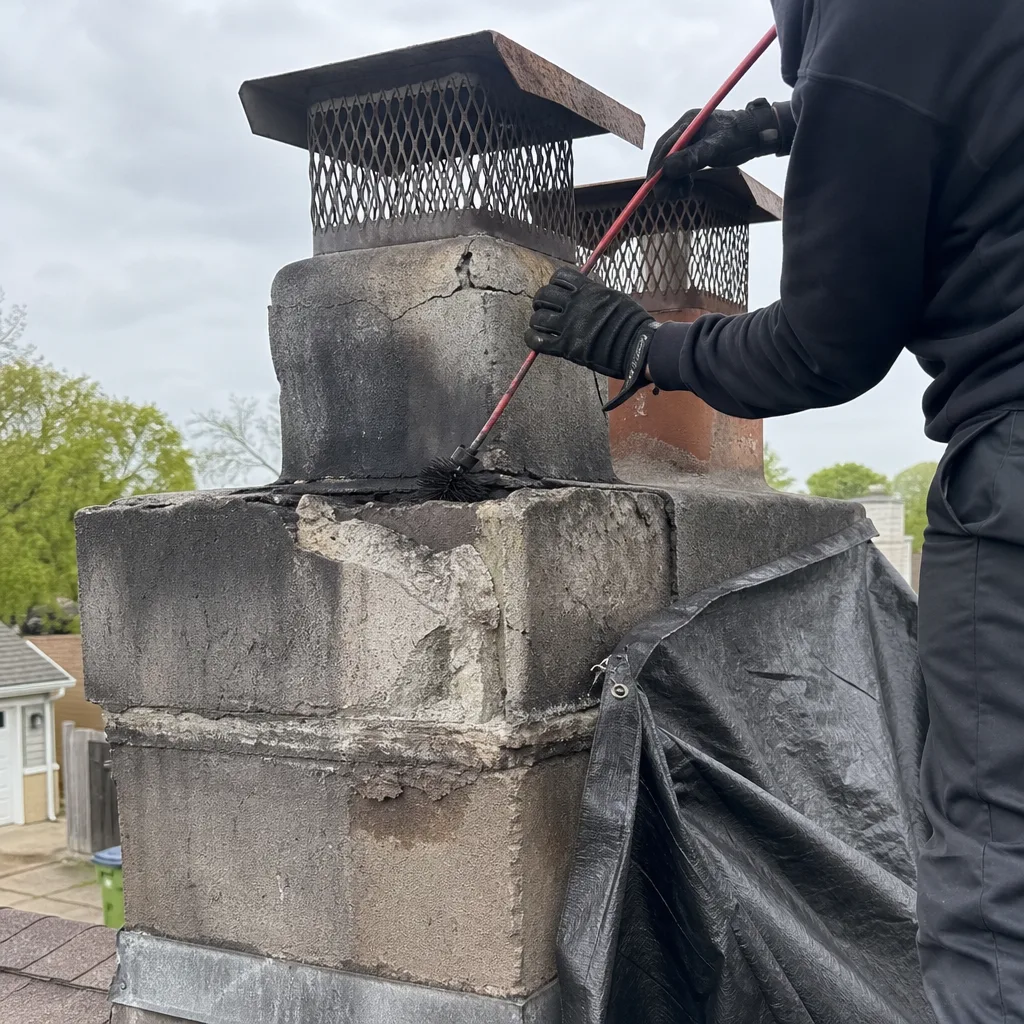 Before
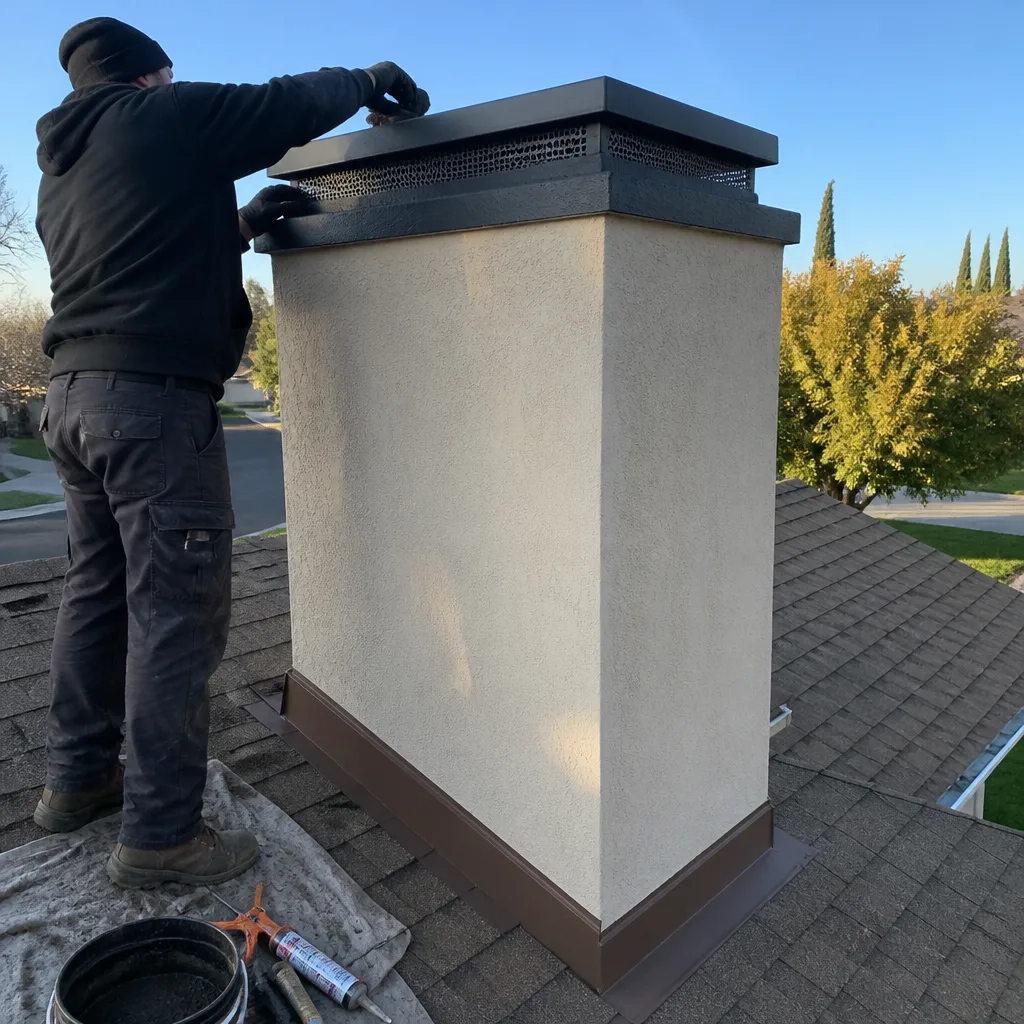 After
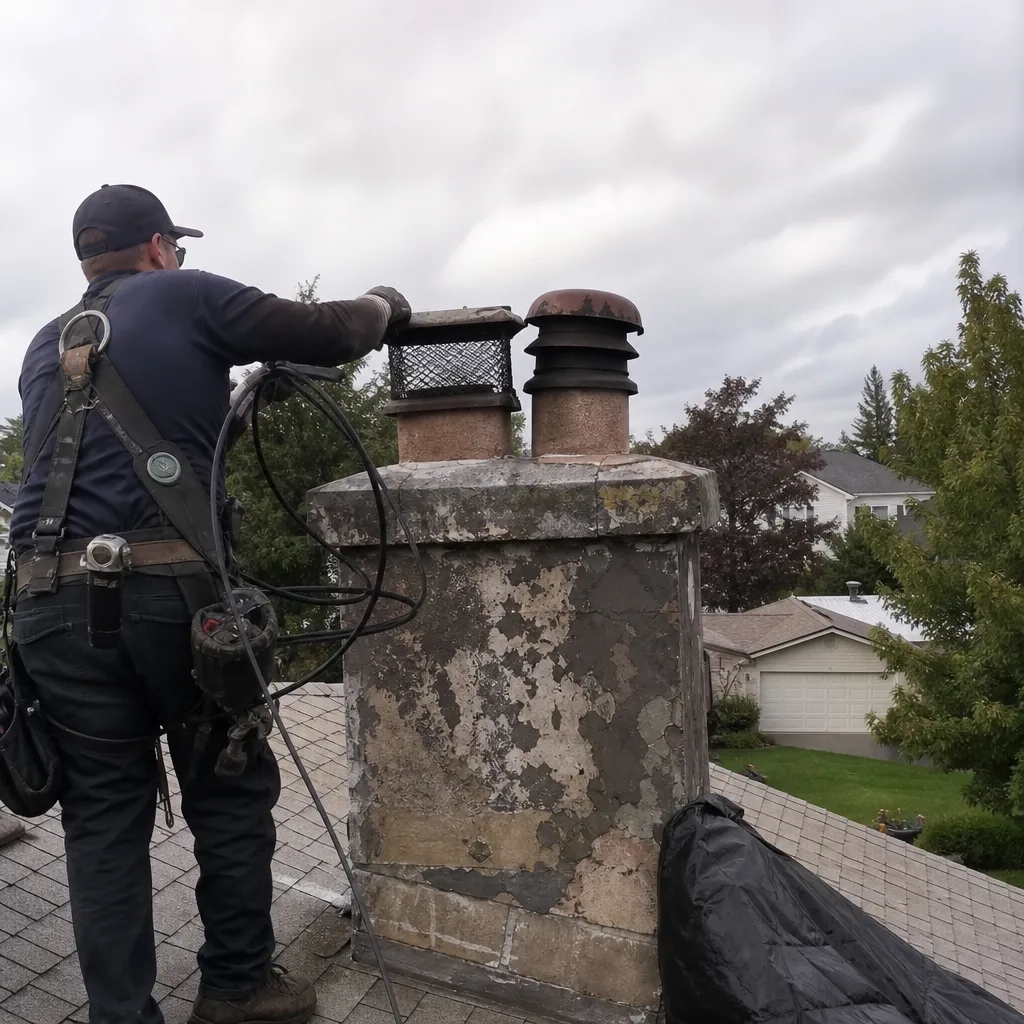 Before
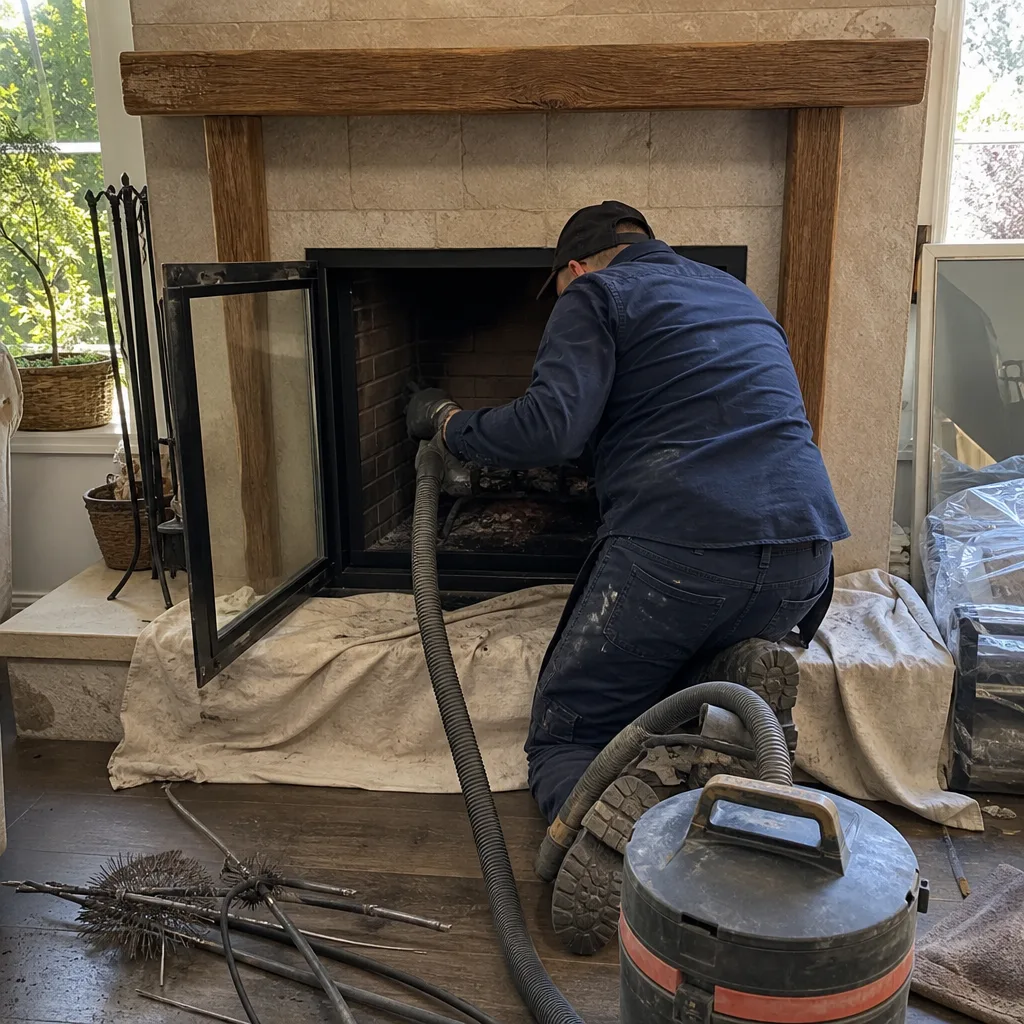 After
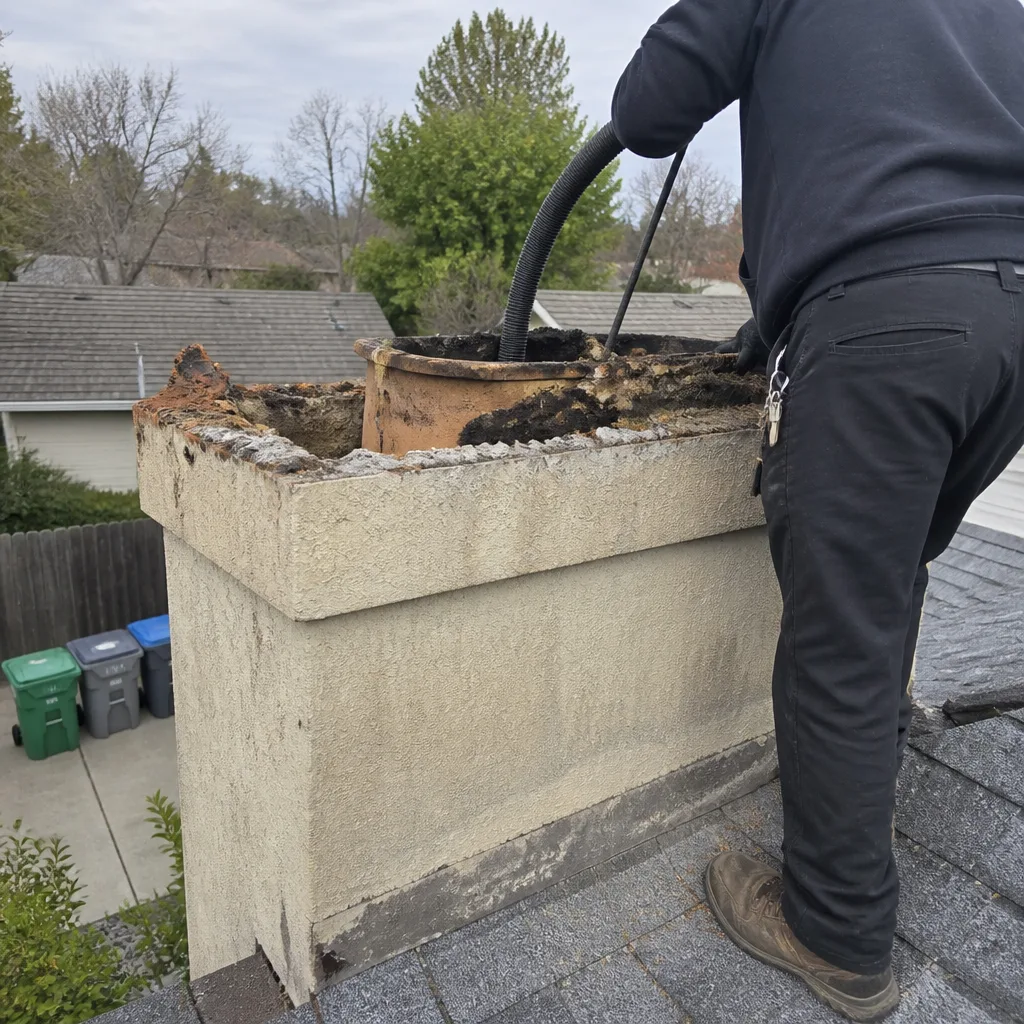 Before
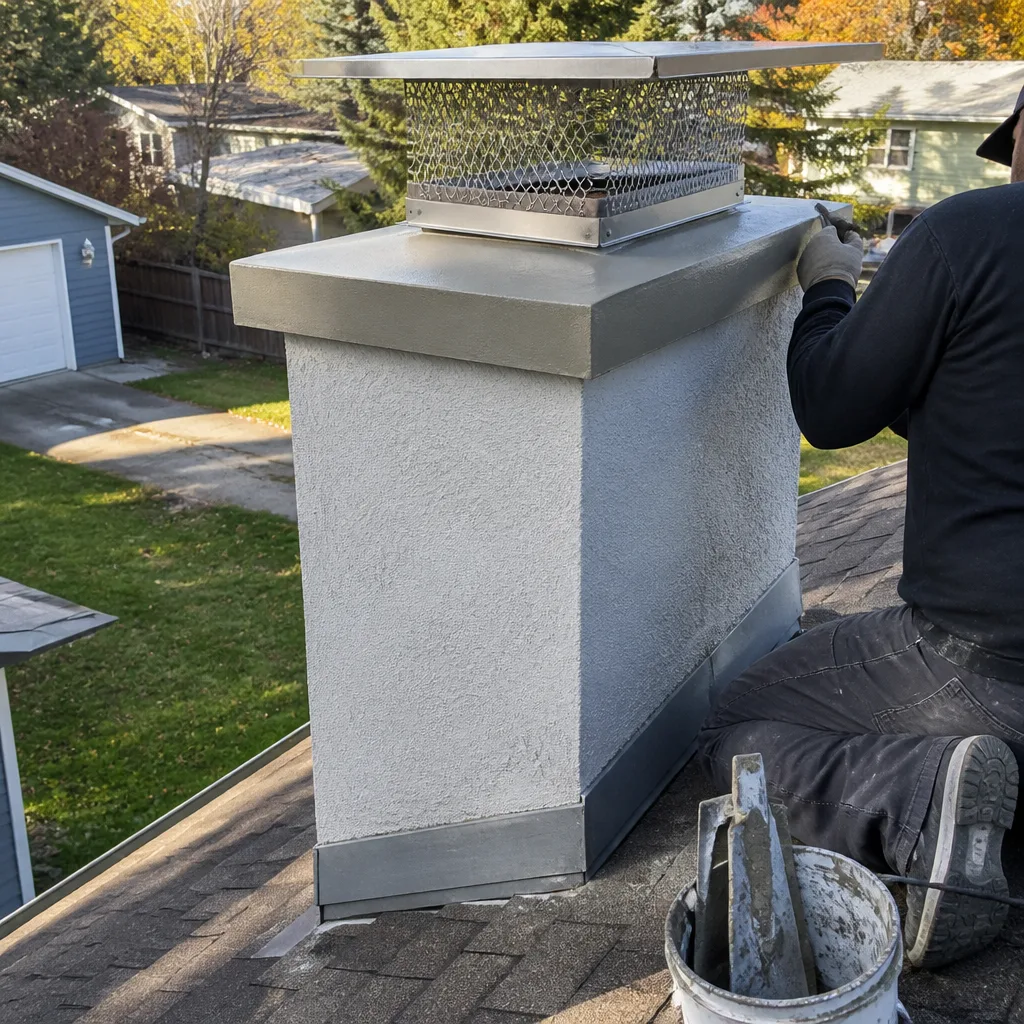 After
Common Mistakes to Avoid
- Burning before checking the flue. The most common and most avoidable mistake in Rancho Cordova is the homey version of “it worked last time.” Dormant chimneys do not stay in ready condition. A two-minute flashlight check prevents most smoke and fire incidents.
- Using the fireplace as a primary heat source without a recent inspection. A fireplace that performs fine for 20 minutes on Christmas Eve is not proof that it will perform for eight hours during a multi-day outage. Blockages and creosote buildup only become apparent under sustained thermal load.
- Treating a CO alarm that goes off as a false alarm. During outage fireplace use, a CO alarm is not a nuisance signal. It is the only early warning you have that combustion gases are not venting properly. Evacuate, ventilate, and do not resume burning until the flue is inspected.
- Assuming a chimney cap is optional. We see caps missing from Rancho Cordova chimneys more often than any other single defect. A missing cap is an open invitation for animal intrusion, and animal intrusion is the single most common cause of blocked flues we encounter in this area.
- Burning green or unseasoned wood during an emergency. Green wood produces more creosote, more smoke, and more CO than seasoned fuel. If you must burn during an outage, burn the driest wood you have. Stacking new firewood in July so it is ready by October is a simple habit that pays off every PSPS season.
When to Call a Professional
Call a chimney professional in Rancho Cordova when the 10-minute check reveals any issue, when you have not had a sweep in over a year and plan to use the fireplace during outage season, when you find evidence of animal activity, when the flue has visible creosote, when the damper sticks, or when the masonry shows cracks. Do not wait until the first PSPS warning arrives. Each of these problems is solvable in a scheduled inspection, but each becomes an emergency when the power is out and the family is cold.
Bedrock Chimney Sweep offers free estimates in Rancho Cordova. Call (877) 752-8010 to schedule a pre-season inspection, and we will show you exactly what the camera sees in your flue before we recommend anything.
Frequently Asked Questions
Run the 10-minute readiness check: open the damper, shine a light up the flue, look for clear passage, check that the cap is in place, and check for loose bricks or cracks in the firebox. If everything passes and your last professional inspection was within 12 months, your chimney is likely safe to use. If any step fails or the history is uncertain, do not burn until you call a professional.
First, make sure the damper is fully open. Then crack a nearby window to break the draft reversal. If the smoke is a thin wisp at startup, give it two minutes. If it persists or smells acrid, close the damper, evacuate, and call 911. Do not continue burning through smoke. The flue is telling you something.
The National Fire Protection Association standard is that chimneys should be swept when creosote accumulation reaches 1/8 inch or more. For most Rancho Cordova homeowners who burn occasionally during fall and winter, an annual inspection is the practical cadence, and a sweep happens when the inspection finds accumulation. The long dormant season here creates annual animal intrusion risk that makes yearly inspection the only reliable safety net.
Yes. A blocked or partially blocked flue traps carbon monoxide and other combustion gases inside the home. Wood fires produce CO just like gas appliances do. A CO detector within 15 feet of the fireplace is the single most important safety device for emergency burning scenarios.
Yes. Gas fireplaces and inserts still vent through a flue, and that flue still gets blocked by animal nests, debris, and internal deterioration. Gas units often show no visible smoke when the flue is compromised, which means CO buildup goes unnoticed without a detector. Inspection and cleaning needs are different than wood, but the flue still needs professional attention.
Do not burn, and do not try to remove the nest yourself without appropriate equipment. Bird nests can harbor mites and other pests, and removing them through the firebox is messier than most homeowners expect. Call a professional sweep who can remove the nest through the flue and inspect for any damage the nesting caused. This is a routine service call in Rancho Cordova.
The Bottom Line
Rancho Cordova’s unique combination of long dormant fireplace seasons, PSPS outage risk, and hot dry summers creates a specific emergency pattern: chimneys get asked to perform under pressure with no prior warning. The solution is unglamorous but effective. Schedule a pre-season inspection and sweep before wildfire season. Run the 10-minute homeowner check as a backstop. Place a CO detector within 15 feet of the firebox. Keep your last inspection report in an accessible place, and keep a professional’s number written down. When a PSPS event or a cold snap hits in October, the difference between a warm safe night and a smoke-filled emergency is decided by what you did in September.
Written by the team at Bedrock Chimney Sweep, serving Rancho Cordova since 2014.