
Last updated November 2, 2026
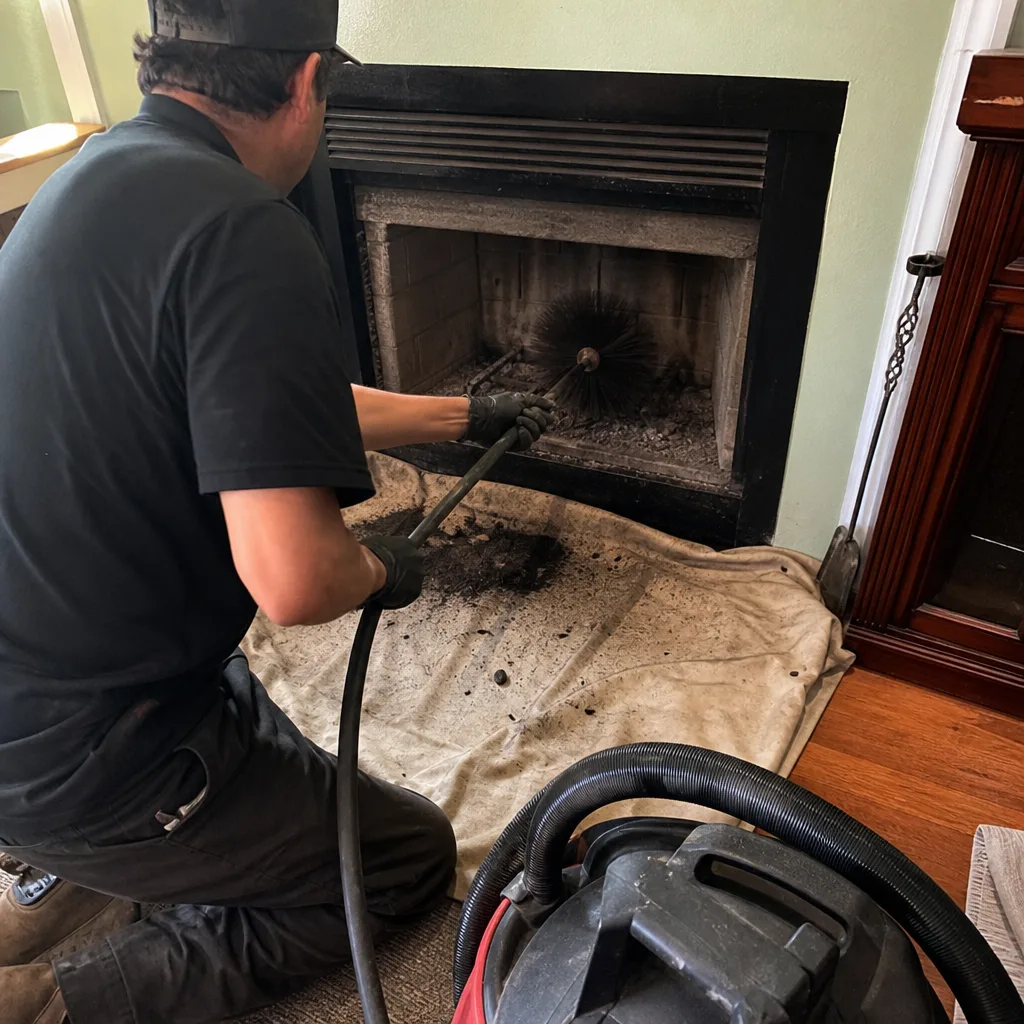
 Sweep & inspection
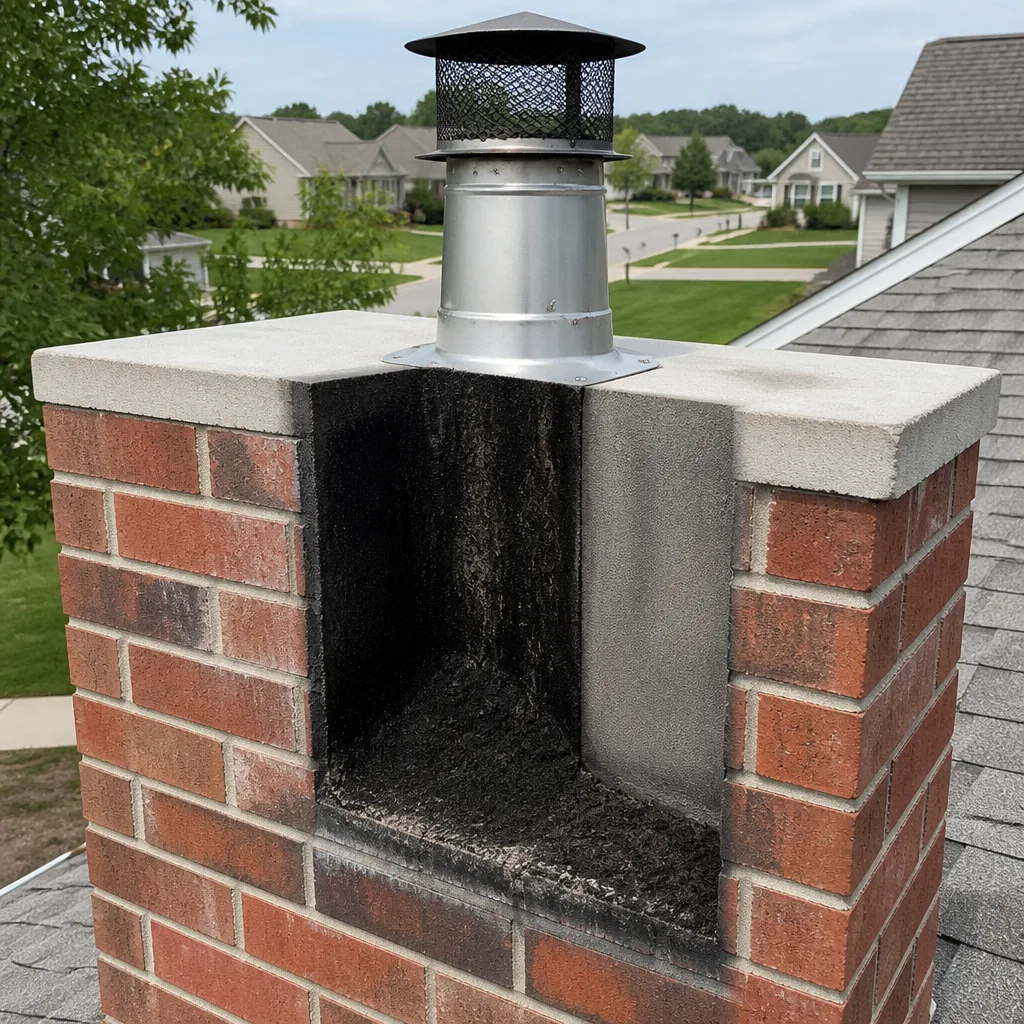
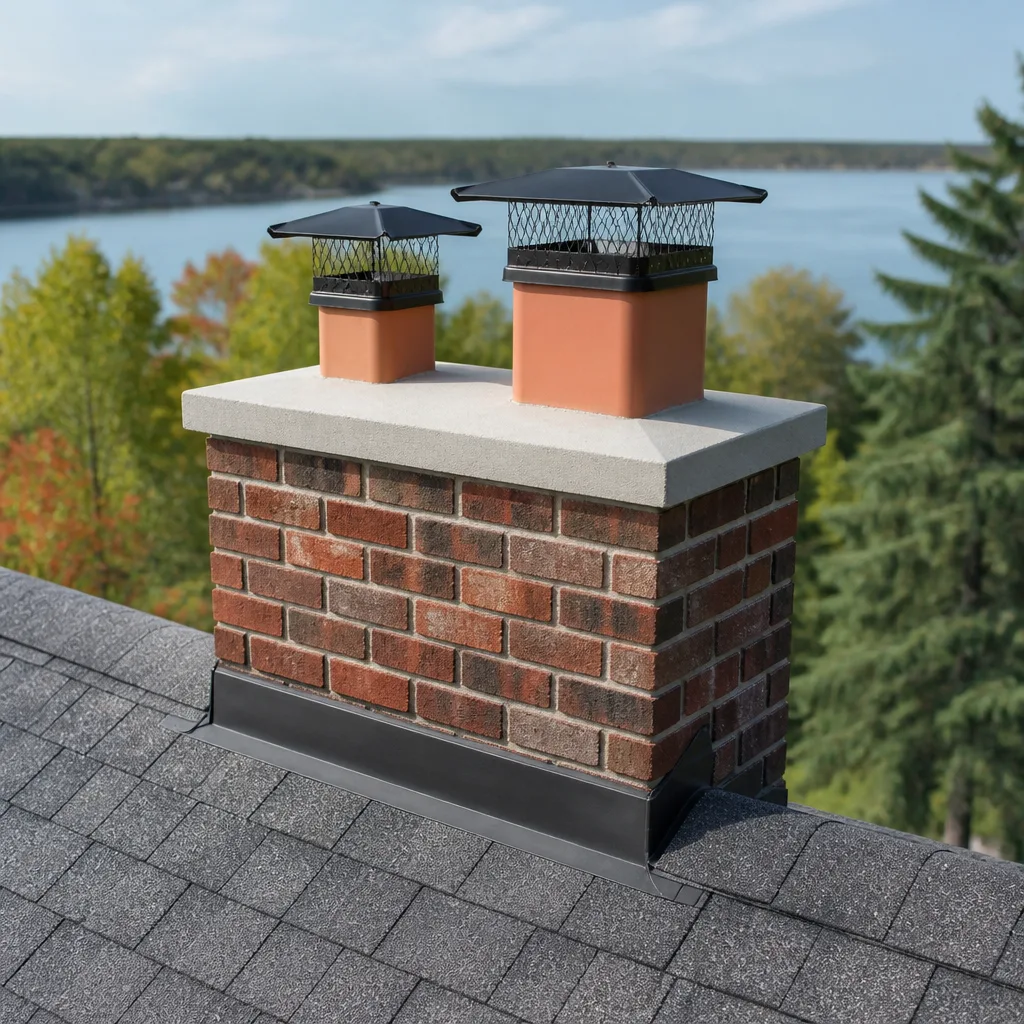 Caps & crowns
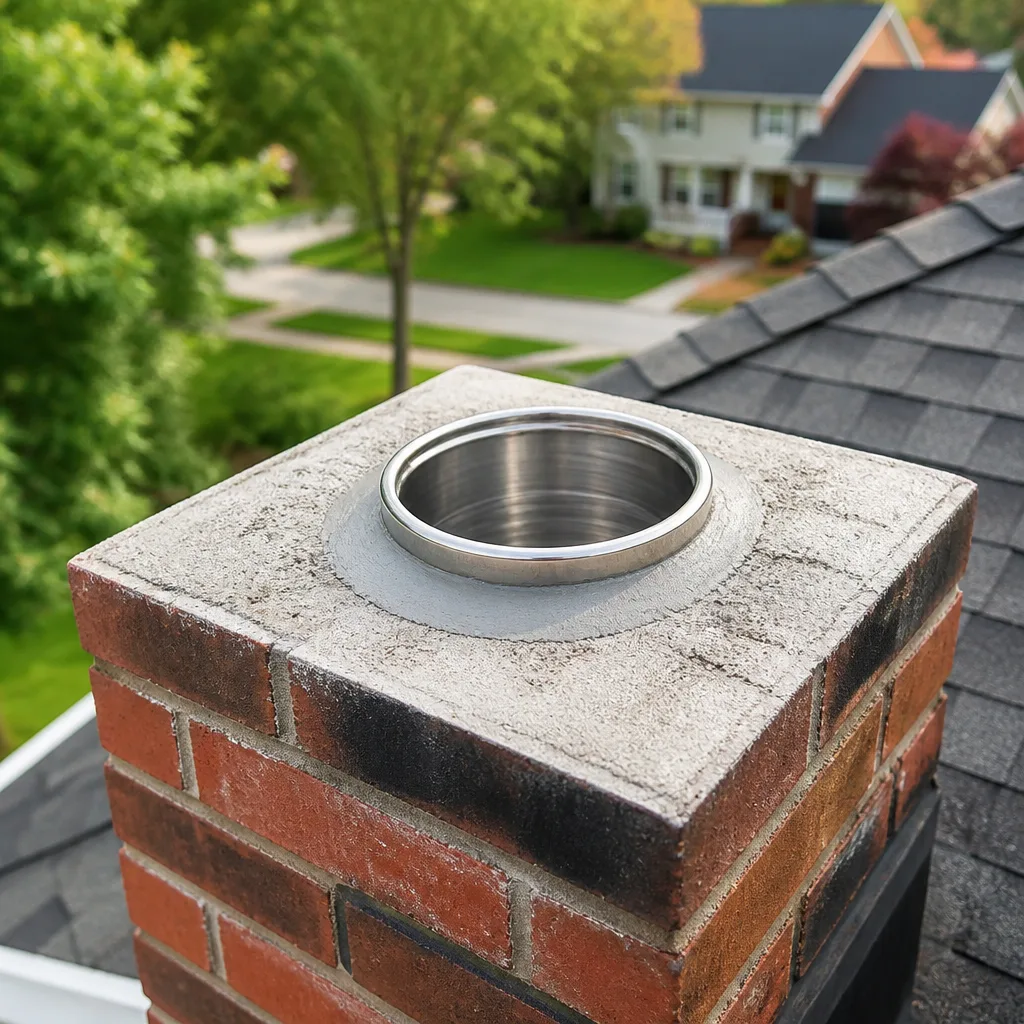 Flue relining
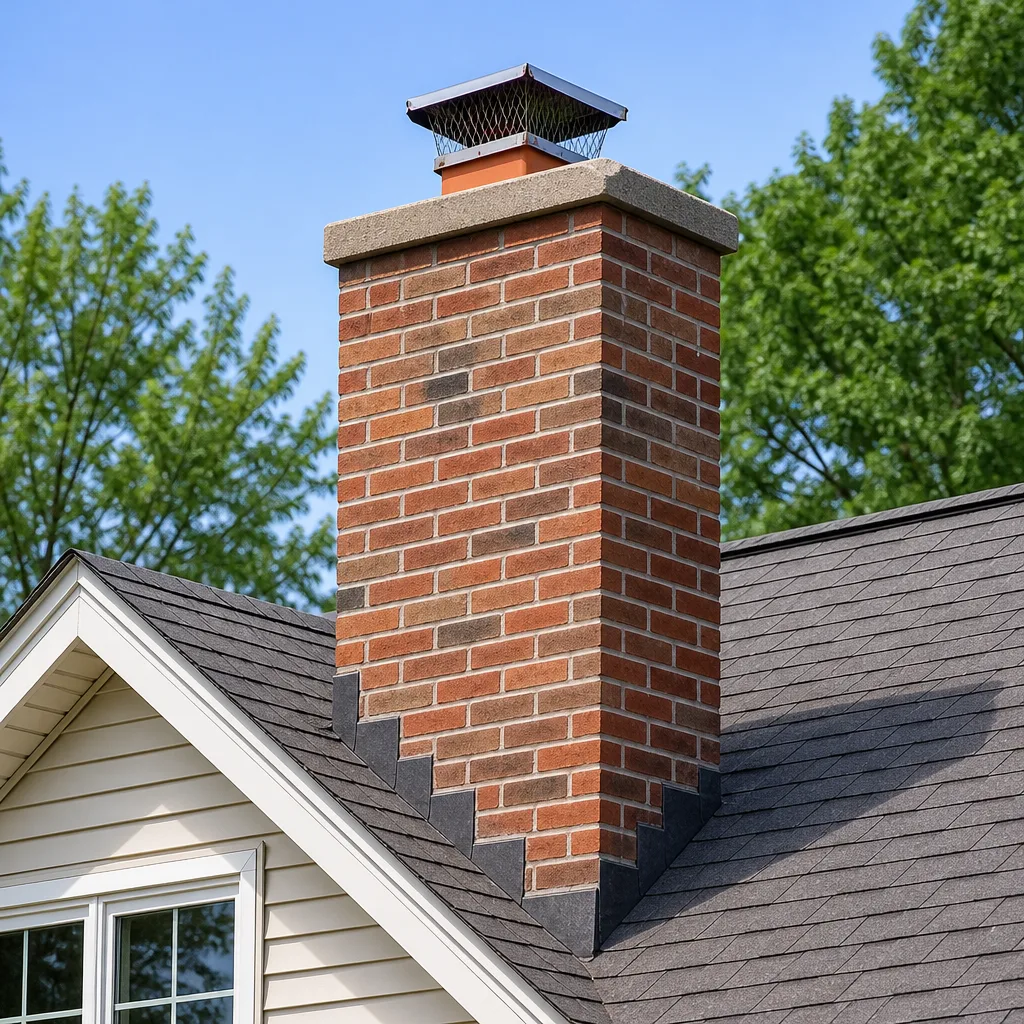 Masonry repair
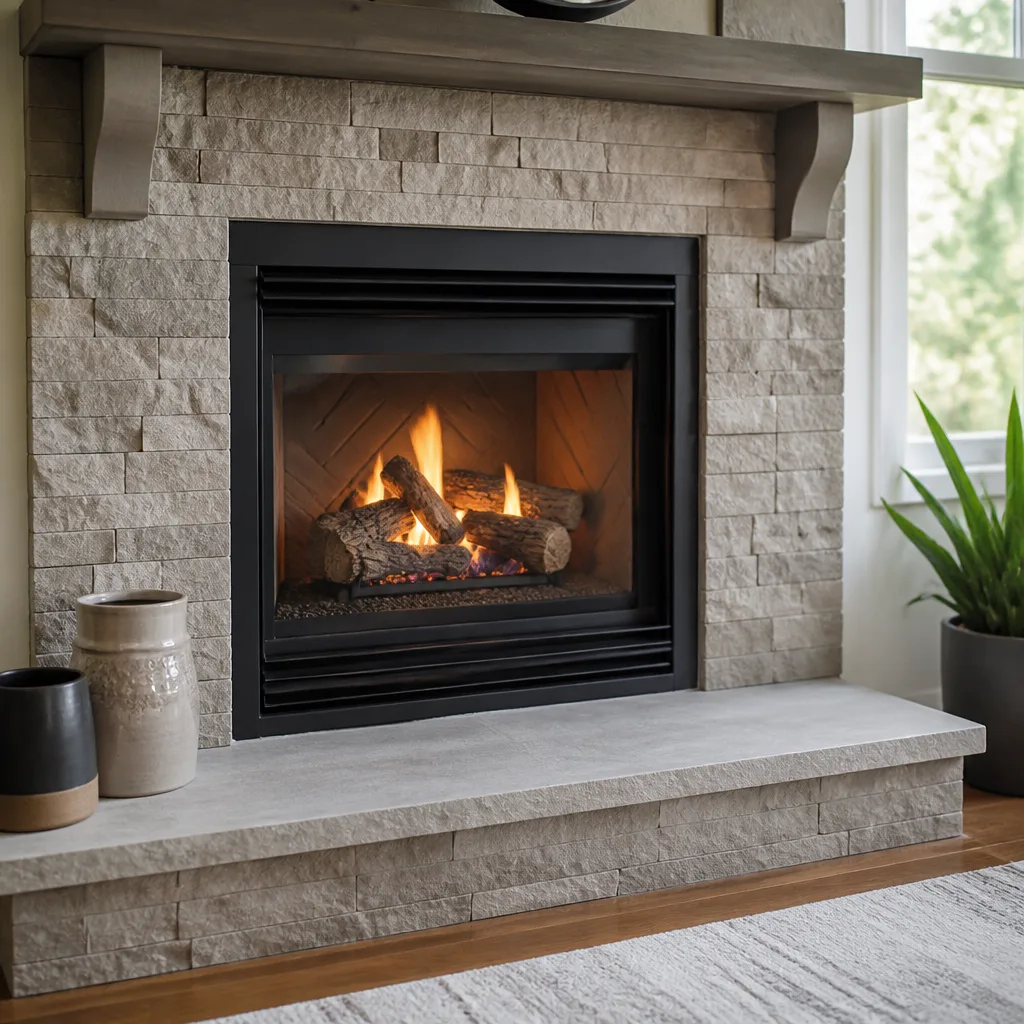 Gas fireplace service
Level 1 sweep and inspection to the NFPA 211 annual standard - flue, crown, cap, and flashing checked and photographed
Chimney sweep logs do not sweep chimneys. They loosen some creosote - which then falls where a brush and vacuum still have to collect it.
Chimney Cleaning Warning Signs: A Rancho Cordova Homeowner’s Reference Guide
Here’s a counterintuitive fact most homeowners in Rancho Cordova discover too late: your chimney talks to you year-round, not just during burning season. A smoky smell in August, when you haven’t lit a fire since March, isn’t leftover odor. It’s often moisture-activated creosote off-gassing in Sacramento Valley heat, and it’s one of the most consistently ignored warning signs we see. This guide teaches you pattern recognition, not just a symptom checklist. By the end, you’ll know how to read the combination of odors, smoke behavior, and visual cues that separate a routine cleaning from a developing fire or carbon monoxide hazard.
Quick Answer
The most reliable chimney cleaning warning signs in Rancho Cordova are: a persistent asphalt or tar smell (especially in warm weather), smoke rolling into the room during startup or after 20 minutes of burning, white staining or flaking brick on the chimney exterior, and rust streaks running down from the cap. Any of these means the flue needs professional inspection. Oil and gas flues have their own tell: a buildup of soot or a metallic odor that appears when the appliance cycles on.
Styles & brands we work with
- Sweep & inspection
- Caps & crowns
- Flue relining
- Masonry repair
- Gas fireplace service
Table of Contents
- The Three Odor Profiles: What Your Nose Is Telling You
- Smoke Behavior Red Flags: Startup vs. Mid-Burn
- Visual Indicators You Can Safely Assess From the Ground
- Why Rancho Cordova’s Hard Water Accelerates Liner Deterioration
- Monitor and Schedule vs. Stop Using the Fireplace Now
- Seasonal Timing in the Sacramento Valley: When to Schedule
- The Dryer Vent Connection Most Chimney Guides Miss
- Common Mistakes to Avoid
- When to Call a Professional
- Frequently Asked Questions
The Three Odor Profiles: What Your Nose Is Telling You
Chimneys do not produce a single generic “dirty smell.” They produce distinct odor signatures that map to specific problems. Learning these three profiles turns your nose into a diagnostic tool that works even when the fireplace is cold.
Creosote: The Asphalt or Tar Smell
Creosote is a byproduct of wood combustion. Stage-one creosote is flaky and relatively odorless. Stage-two and stage-three creosote are different. They’re tar-like, glossy, and they off-gas volatile compounds that smell like hot asphalt, smoked tar, or a freshly paved road. This smell often becomes more noticeable in summer because heat and humidity activate the deposits inside the flue.
In Rancho Cordova, where summers regularly push into the high 90s and low 100s, that July or August tar smell near the fireplace is a reliable indicator of significant creosote accumulation. It’s not going to burn off on its own. And stage-three creosote is the leading fuel source in chimney fires. The response here is straightforward: schedule a sweep before the next burning season. This is a “monitor and schedule” situation, not an emergency, but it shouldn’t wait a year.
Animal Intrusion: Ammonia or Decay
A sharp ammonia smell, or the distinct odor of decomposition, means something has taken up residence in your flue or chimney chase. Common Rancho Cordova intruders include birds, squirrels, and raccoons. Their nesting material is highly flammable. Their carcasses block airflow. Both create fire and carbon monoxide risk.
This odor profile often comes with secondary signals: scratching sounds, flies near the fireplace opening, or visible nesting debris at the base of the firebox. The response: stop using the fireplace, have the flue inspected and cleared, and request a cap inspection. A properly fitted cap with a professional animal guard prevents this problem permanently.
Combustion Backdraft: Sharp or Metallic
A sharp, acrid, or metallic smell that appears only when your furnace, water heater, or gas fireplace is running points to a backdrafting issue. The flue is not drafting properly, so combustion byproducts are entering the living space instead of exiting through the chimney. This is the most dangerous odor profile of the three because it’s a direct carbon monoxide exposure signal.
If you notice this smell, turn off the appliance, ventilate the room, and call for inspection. The cause is often a blockage, an improperly sized liner, or negative air pressure in a tightly sealed home. The Chimney Repair in Rancho Cordova page covers liner and drafting issues in detail.
Smoke Behavior Red Flags: Startup vs. Mid-Burn
Smoke tells a story if you know how to read the timing. The moment smoke appears, and the conditions under which it appears, point to different root causes. Here’s how to interpret what you’re seeing.
Startup Smoke: First 5 Minutes of Burning
When smoke rolls into the room during the first few minutes of a fire, the issue is usually thermal. The flue is cold. Cold air is dense and sinks, creating a plug that warm smoke cannot push through until the chimney heats up. This is common in Rancho Cordova homes that burn on cold winter mornings after nights in the 30s or low 40s.
Occasional startup smoke is not automatically a defect, but consistent startup smoke every time you light a fire is. It points to one of these underlying conditions:
- Inadequate flue size for the firebox opening
- Excessive creosote buildup restricting the flue diameter
- Flue cap blockage from nesting or debris
- Negative pressure caused by an exhaust fan, dryer, or HVAC system in a tightly sealed home
The fix may be a simple sweeping, a draft-increasing cap, or a liner adjustment. But you won’t know without a camera inspection of the flue interior.
Mid-Burn Smoke: After 20+ Minutes
Smoke that appears after the fire has been burning for 20 minutes or more is a different animal. By that point, the flue is warm and drafting should be established. When smoke still rolls into the room, something is actively blocking the flue, or the firebox is producing more smoke than the flue can move. Causes include:
- A creosote obstruction that has narrowed the flue opening to a fraction of its original size
- Animal nesting material shifted by the exhaust stream
- A collapsed or deteriorated flue liner segment
- Burning wood with high moisture content that produces excessive smoke volume
Mid-burn smoke is a stop-burning signal. Put the fire out, let it cool, and get a professional inspection before using the fireplace again. In our experience serving Rancho Cordova homeowners, mid-burn smoke is the pattern most likely to reveal stage-three creosote or liner damage on camera.
Visual Indicators You Can Safely Assess From the Ground
You don’t need to climb on the roof to spot trouble. Three visual signals are visible from the ground with a pair of binoculars or a good camera zoom, and each maps to a specific internal condition.
Efflorescence: White Staining on Exterior Masonry
Efflorescence looks like chalky white patches or streaks on brick or stone. It’s caused by water migrating through the masonry and depositing salt on the surface as it evaporates. In Rancho Cordova, where winter rains and Sacramento Valley humidity alternate with long dry spells, efflorescence is common on chimneys that lack proper crown sealing.
The white stain itself is cosmetic. The water migration behind it is not. It means the chimney crown, mortar joints, or flashing are allowing moisture into the structure. That moisture accelerates mortar deterioration, causes interior creosote to become more corrosive, and accelerates liner damage. If you see efflorescence, schedule an inspection. The fix is typically crown sealing or repointing, not a full rebuild.
Spalling Brick: Flaking or Falling Faces
Spalling is what happens when brick faces flake off, leaving rough, pitted surfaces or chunks of brick on the ground around the chimney base. It’s caused by trapped moisture freezing and expanding, or by long-term moisture cycling. The damage is structural. As brick faces spall away, the chimney becomes more vulnerable to further water intrusion, and in severe cases, the structure can destabilize.
Rancho Cordova’s freeze-thaw cycles are mild compared to other regions, but repeated winter rain soaking followed by warm drying periods still does damage over years. Spalling is a “schedule repair now” signal. The repair scope depends on how far the damage has progressed, which is why we scope every repair with a camera inspection rather than guessing from the ground.
Rust Streaks From the Cap
Rust-colored streaks running down from the chimney cap or the top of the flue liner indicate metal deterioration. The cap may be failing, or the liner’s top section may be corroding. Either way, the metal components at the top of your chimney are failing, and the rust runoff is a sign that water and combustion byproducts are interacting aggressively.
Untreated, this progresses to cap failure and liner failure. A failed cap allows rain and animals into the flue. A failed liner is a fire and carbon monoxide hazard. Rust streaks are a “schedule a repair estimate” signal, not a wait-and-see item.
Why Rancho Cordova’s Hard Water Accelerates Liner Deterioration
This is a localized detail most national guides never address. Rancho Cordova’s municipal water supply is hard, meaning it carries elevated levels of dissolved minerals, primarily calcium and magnesium. That matters for your chimney for one specific reason: the water vapor in your flue exhaust interacts with those minerals in ways that accelerate liner corrosion.
Here’s the mechanism. When you burn wood, the smoke contains water vapor. That vapor condenses on the flue liner walls between fires. If your home has a whole-house humidifier or if you live near one of the area’s many irrigated landscapes, the mineral load in your indoor air is higher than it would be in softer-water regions. Those minerals mix with creosote and condensation inside the flue to create a mildly acidic slurry that eats away at the liner surface over time.
The practical consequence for Rancho Cordova homeowners: liners here often show corrosion and pitting at an earlier age than comparable liners in coastal or softer-water regions. That makes regular camera inspection more important, and it makes professional-grade liner materials more important when a replacement is needed. Our guide to Choosing the Right Chimney Cleaning Brand: A Buyer’s Guide for Rancho Cordova explains what to look for in liner systems. We install DuraFlex liner systems specifically because they’re built to the same specification as what certified chimney engineers recommend for corrosive flue environments.
When we do a sweep in Rancho Cordova, we always check for signs of accelerated liner wear tied to this mineral exposure. It’s not something a generic chimney guide covers, and it’s one of the reasons local experience matters.
Monitor and Schedule vs. Stop Using the Fireplace Now
Every warning sign falls into one of two categories. Knowing which is which saves you money and keeps you safe. Here’s how to make the call.
Monitor and Schedule
These signs mean a problem is developing, but it doesn’t pose an immediate threat. Schedule a professional inspection and sweep at your next reasonable opportunity:
- A tar or asphalt smell in warm weather that appears intermittently
- Occasional startup smoke that clears within the first 5 minutes
- Light efflorescence on exterior brick with no other symptoms
- Minor rust staining at the cap with no visible cap damage
- Animal sounds without a strong odor or smoke blockage
These conditions worsen slowly. Waiting a few weeks to schedule an inspection is generally acceptable, though waiting a full burning season is not.
Stop Using the Fireplace Now
These signs mean an immediate hazard is present. Stop using the fireplace or appliance and avoid using it until a professional has inspected and cleared it:
- Mid-burn smoke appearing after the fire has been burning for more than 20 minutes
- Any ammonia or decomposition odor, which indicates animal intrusion and potentially blocked flue
- A sharp or metallic odor when a gas appliance cycles on, indicating backdrafting
- Visible sparks or embers exiting the chimney top during a fire
- Loud cracking or rumbling sounds from inside the chimney during a fire
- Any sign of smoke or soot staining around the fireplace opening, on walls, or on the ceiling near the chimney chase
If you’re unsure which category a sign falls into, err on the side of stopping the fire and calling. A professional can often clarify the situation quickly. The Bedrock Chimney Sweep home page has our full contact information and service overview if you need to reach us.
Seasonal Timing in the Sacramento Valley: When to Schedule
Rancho Cordova’s climate shapes the optimal scheduling window for chimney services. Unlike colder regions where fall scheduling is standard, the Sacramento Valley’s mild winters and long, hot summers create a different rhythm.
The best time to schedule a chimney sweep in Rancho Cordova is late summer or early fall, before the first burn. Here’s the logic:
- Creosote deposits are at their most visible after the summer heat cycle, making inspection more accurate
- You avoid the fall rush when every homeowner in the Sacramento metro realizes the first cold snap is coming
- Any repairs needed after the sweep can be completed before burning season begins
- Animal intrusion is most common in spring and summer, so a fall sweep catches any nesting before your first fire
But here’s a local nuance many guides miss: Rancho Cordova homeowners who burn only occasionally, maybe 20 to 30 fires per year, sometimes assume they can skip annual cleaning. The National Fire Protection Association recommends annual inspection for all chimneys regardless of usage volume. Occasional burners are actually at higher risk for animal intrusion because their flues sit idle for long stretches.
If you haven’t had your chimney swept in the last 12 months, schedule the Chimney Sweep in Rancho Cordova service before you light your next fire. It’s the single most effective preventive measure against every warning sign in this guide.
The Dryer Vent Connection Most Chimney Guides Miss
Most chimney warning sign guides stop at the chimney itself. But the same pattern-recognition logic applies to your dryer vent, and we see the same Rancho Cordova homeowners ignoring both systems.
Your dryer vent is a chimney for your dryer. It carries hot, lint-laden air out of your home. When that vent is clogged, it produces the same failure patterns as a dirty chimney: restricted airflow, heat buildup, and fire risk. The U.S. Fire Administration identifies dryer fires as one of the leading causes of residential fires, and most are caused by lint accumulation in the vent line.
Warning signs that map directly to the chimney patterns in this guide:
- Clothes taking longer than normal to dry, and needing multiple cycles, is the dryer-vent equivalent of startup smoke. It means airflow is restricted.
- A burning smell during operation is the equivalent of mid-burn smoke. The system is overheating.
- Excessive lint around the dryer or visible lint exiting the exterior vent cap is the equivalent of creosote buildup. It’s the fuel accumulating in the flue.
- A hot dryer body or laundry room after a cycle is the equivalent of backdraft. Heat is not being exhausted properly.
The reason Dryer Vent Cleaning in Rancho Cordova is a core Bedrock service, not an upsell, is simple: the same homeowners who maintain their chimneys tend to forget their dryer vents, and the safety consequences are similar. Your entire venting system is worth maintaining under one standard.
Common Mistakes to Avoid
- Assuming no fires means no problems. Creosote off-gasses in heat even when you haven’t burned in months. Animal intrusion happens in unused flues. Annual inspection applies to everyone, not just heavy burners.
- Burning unseasoned wood to save money. Wet wood produces more creosote per burn than seasoned wood. The savings disappear when you need an extra sweep or a liner repair. In Rancho Cordova, wood should season 6 to 12 months in our dry summer climate to reach proper moisture content.
- Ignoring startup smoke because “it always does that.” A flue that smokes on startup every single time is not normal. It’s a sign that the system is undersized, clogged, or fighting negative pressure. The problem compounds over time.
- Inspecting the chimney but not the cap. The cap is the first line of defense against rain, animals, and debris. A missing or damaged cap causes problems that look like other problems. If you see rust streaks, inspect the cap.
- Trusting a visual exterior inspection alone. The most dangerous conditions live inside the flue. A clean-looking exterior chimney can hide stage-three creosote or a cracked liner. Camera inspection is the only way to see the full picture.
- Scheduling only when symptoms appear. By the time a warning sign shows up, the condition has been developing for months or years. The point of inspection is to catch problems before they produce symptoms. Waiting for symptoms to schedule is a strategy for paying more later.
When to Call a Professional
Call for a professional chimney inspection if you notice any of the following: a persistent tar or asphalt smell that doesn’t resolve, smoke that appears mid-burn, any ammonia or decomposition odor, visible rust stains on the cap, or efflorescence spreading across the brick face. Also call if you haven’t had an inspection in over a year and you plan to burn this season, or if your dryer vent hasn’t been cleaned in the same period. Bedrock Chimney Sweep offers free estimates in Rancho Cordova. Call (877) 752-8010 to schedule, and we’ll show you what we find on camera before we recommend any repair.
Frequently Asked Questions
The National Fire Protection Association recommends annual inspection for all chimneys, and sweeping whenever creosote buildup reaches 1/8 inch or more. In Rancho Cordova, most homeowners who burn 30 or more fires per year need a professional sweep each year. Occasional burners should still inspect annually because idle flues attract animals and accumulate debris. Call (877) 752-8010 for a schedule based on your actual usage.
Chimney sweeps in Rancho Cordova typically range from $180 to $340 depending on flue condition, accessibility, and whether the chimney requires stage-two or stage-three creosote removal. If the sweep reveals liner damage, the repair scope and cost depend on what the camera shows. We provide a written estimate before any work begins, and we never recommend a repair without showing you the camera evidence that supports it. Call (877) 752-8010 for an exact quote.
Sometimes a damaged liner can be restored without full replacement. Methods like HeatShield ceramic resurfacing can repair cracked or pitted liners in place, which usually costs less than a full reliner and preserves the existing flue path. But not every liner is a candidate. The decision depends on the extent of the damage, the liner material, and the appliance it serves. We scope every liner recommendation with camera footage so you can see the damage yourself before deciding. Call (877) 752-8010 to schedule a liner evaluation.
You can, but most homeowners lack the equipment to do a complete job safely. Proper chimney cleaning requires a full-length brush sized to your flue, a vacuum with a HEPA filter, and the ability to access the flue from the roof safely. Stage-three creosote often requires professional mechanical removal or chemical treatment. The bigger issue is inspection: DIY cleaning doesn’t include camera documentation of the flue interior. The conditions that cause chimney fires happen out of sight, and if you can’t see them, you can’t address them. Call (877) 752-8010 if you want the inspection component handled properly.
Creosote accumulates in stages. Stage-one creosote is flaky and relatively harmless. Stage-two is tar-like and harder to remove. Stage-three is a thick, glazed coating that is highly combustible and very difficult to remove without specialized tools and chemicals. A chimney fire typically ignites stage-three creosote. Even without a chimney fire, unchecked creosote and moisture accelerate liner corrosion, which leads to gas leaks, carbon monoxide exposure, and expensive liner replacement. The sweeping cost is a fraction of the repair cost. Call (877) 752-8010 to get back on a safe schedule.
Yes. A smoky or tar-like odor during warm weather is one of the most reliable indicators of significant creosote accumulation. Heat and humidity activate the volatile compounds in stage-two and stage-three creosote, which off-gas and become noticeable even when no fire has been burned in months. In Rancho Cordova, where summer temperatures push into the high 90s, this odor is a consistent signal that a sweep is overdue. Call (877) 752-8010 to schedule.
The Bottom Line
Your chimney communicates in patterns, and the Rancho Cordova homeowner who learns to read those patterns catches problems early. Watch for the odor profiles: creosote, animal intrusion, and backdrafting. Watch for smoke behavior, especially the difference between startup smoke and mid-burn smoke. Look at the exterior brick for efflorescence, spalling, and rust streaks. Remember that hard water accelerates liner wear here. And don’t ignore your dryer vent, which follows the same failure patterns as a chimney. Annual inspection with a professional who shows you the camera footage is the single best prevention against chimney fires and carbon monoxide events. For more guides & resources on keeping your home safe, visit our blog. Schedule yours before burning season starts.
Written by the team at Bedrock Chimney Sweep, serving Rancho Cordova since 2014.
See the difference
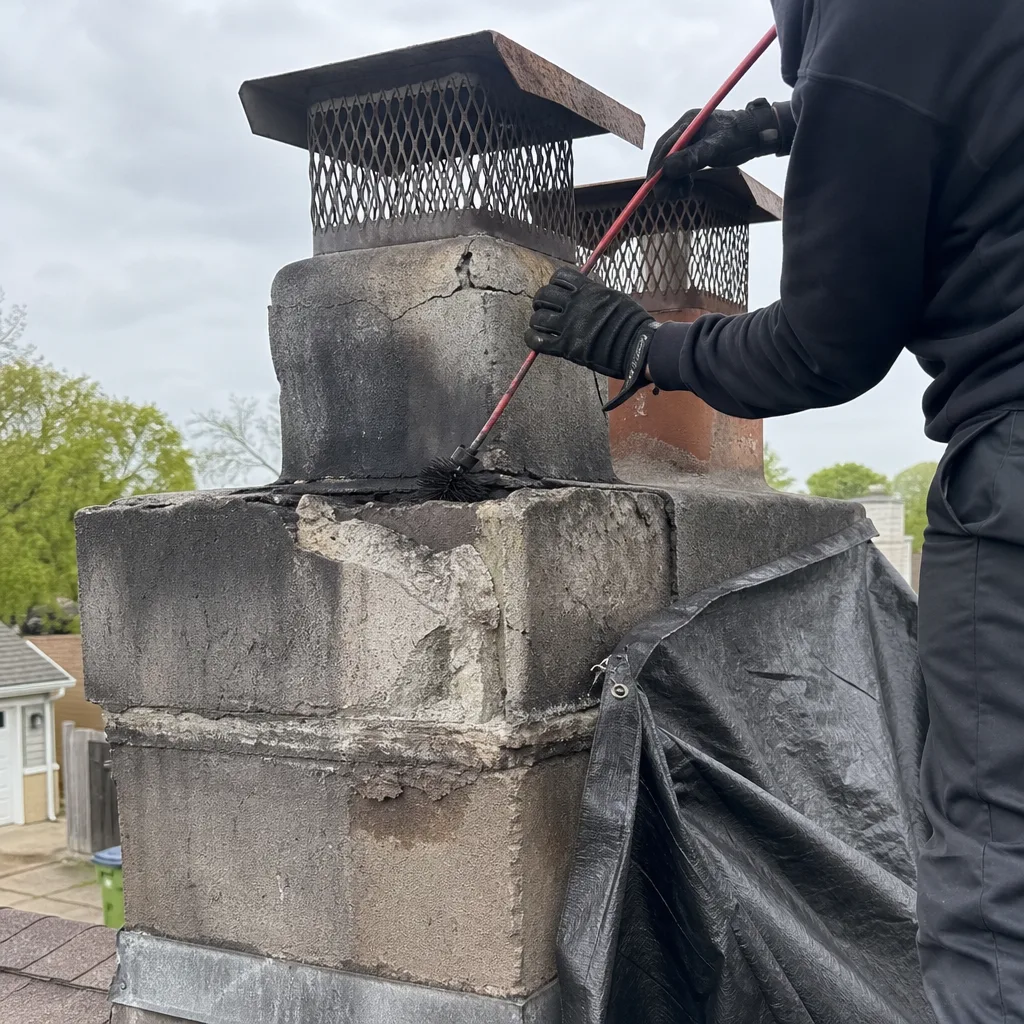 Before
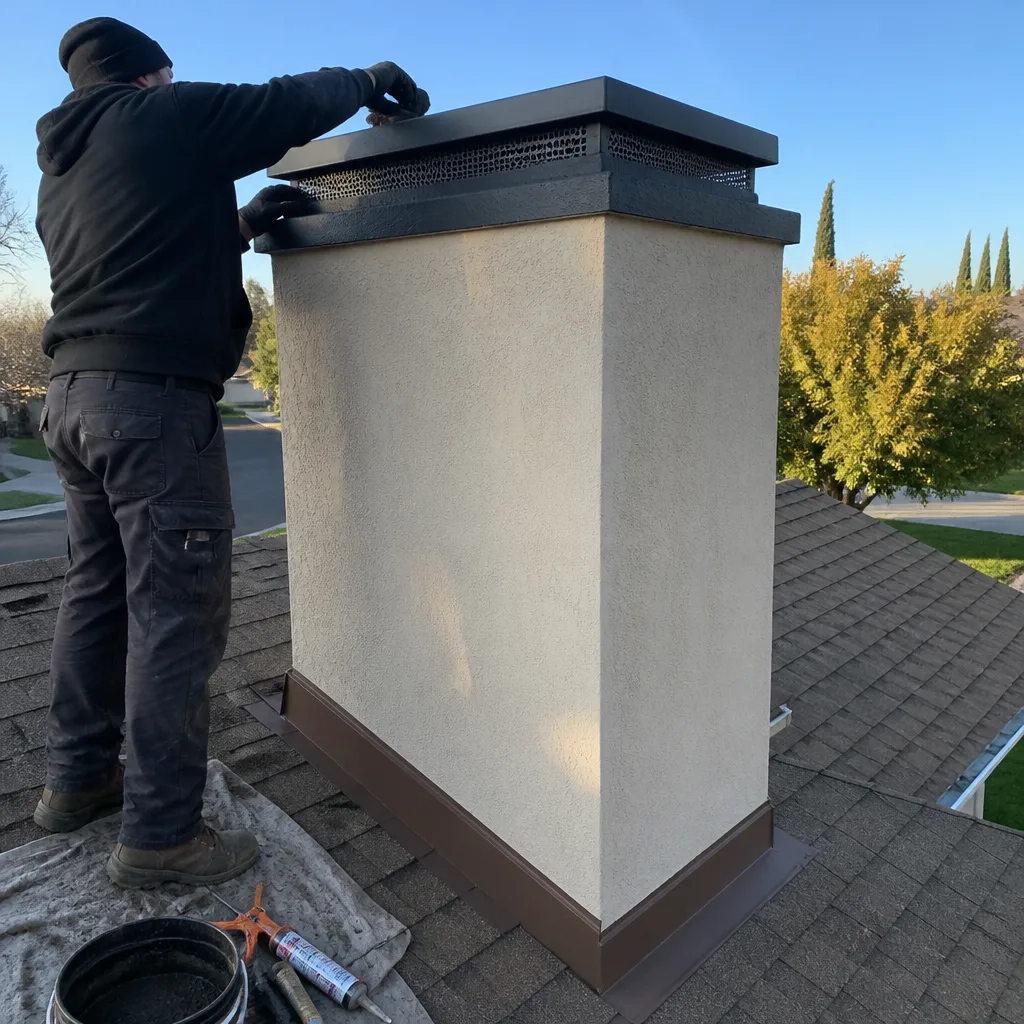 After
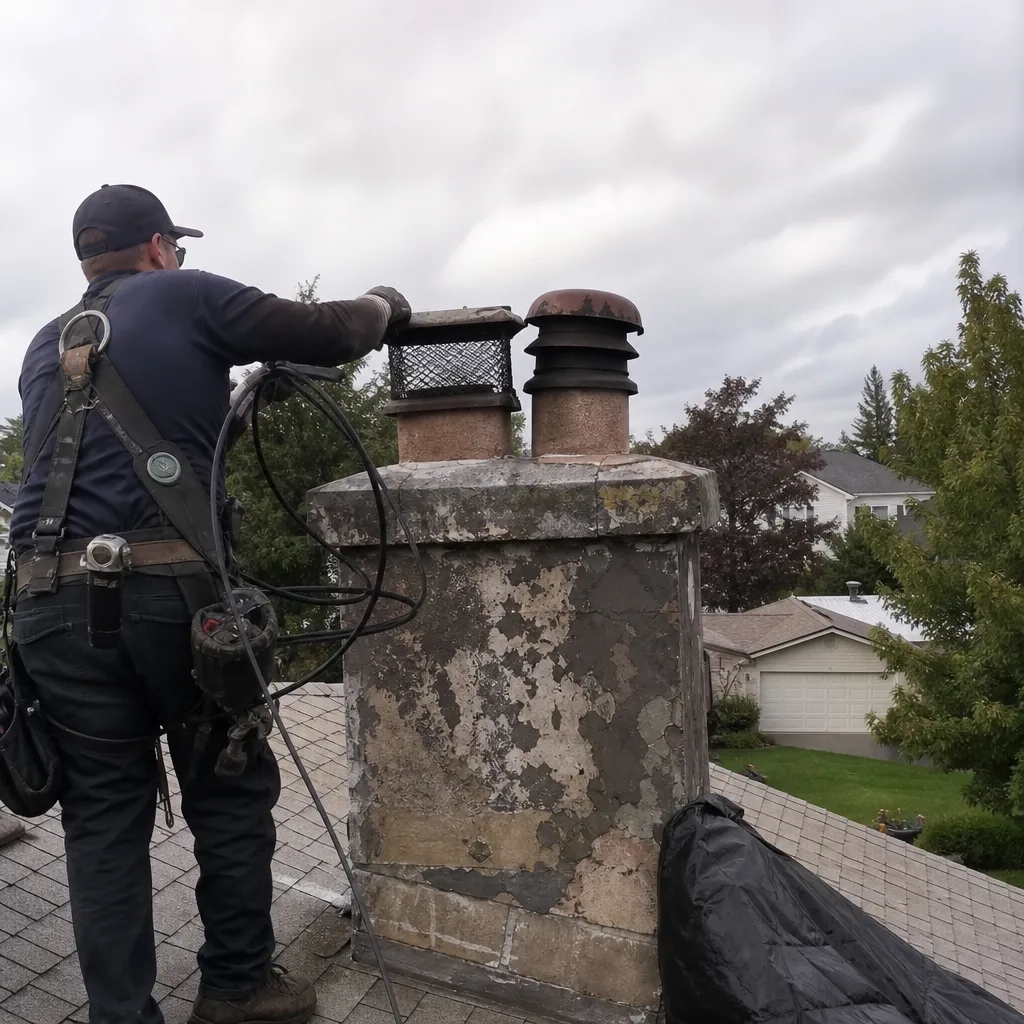 Before
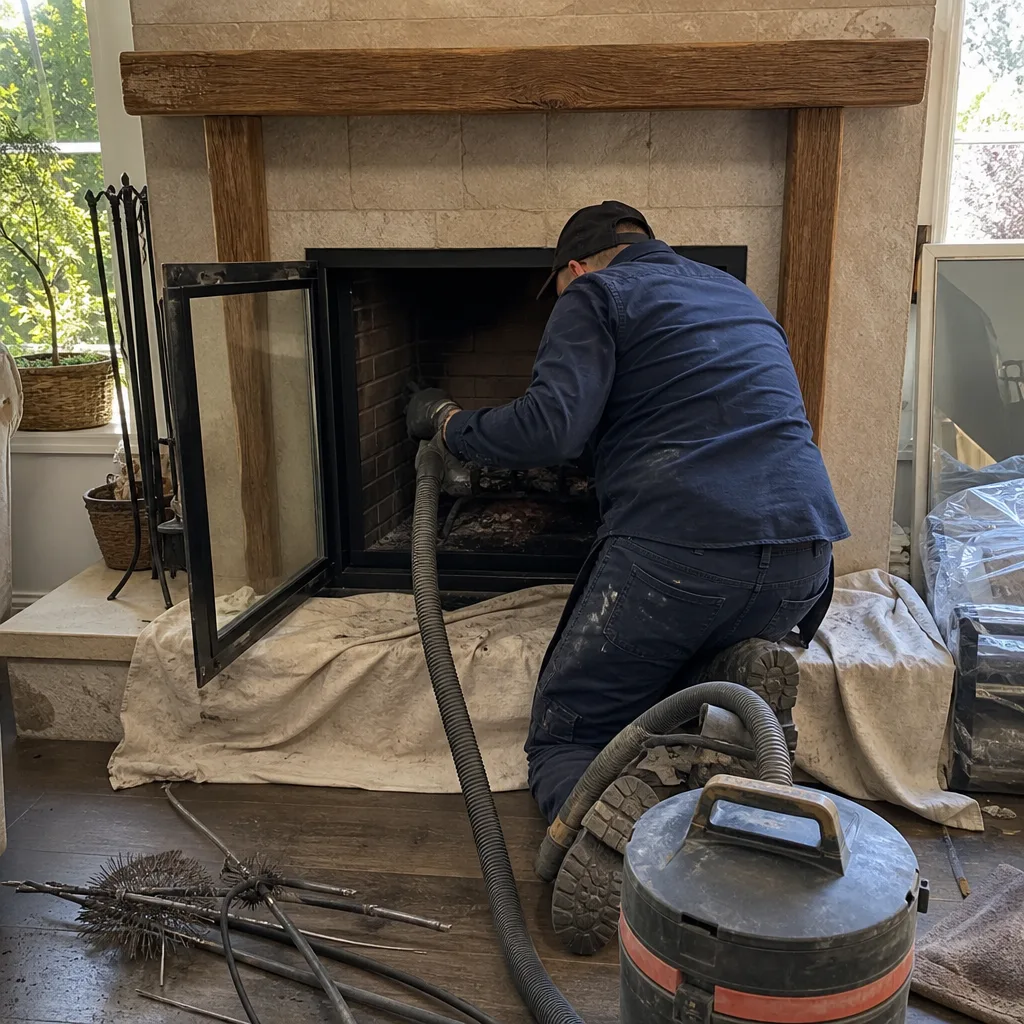 After
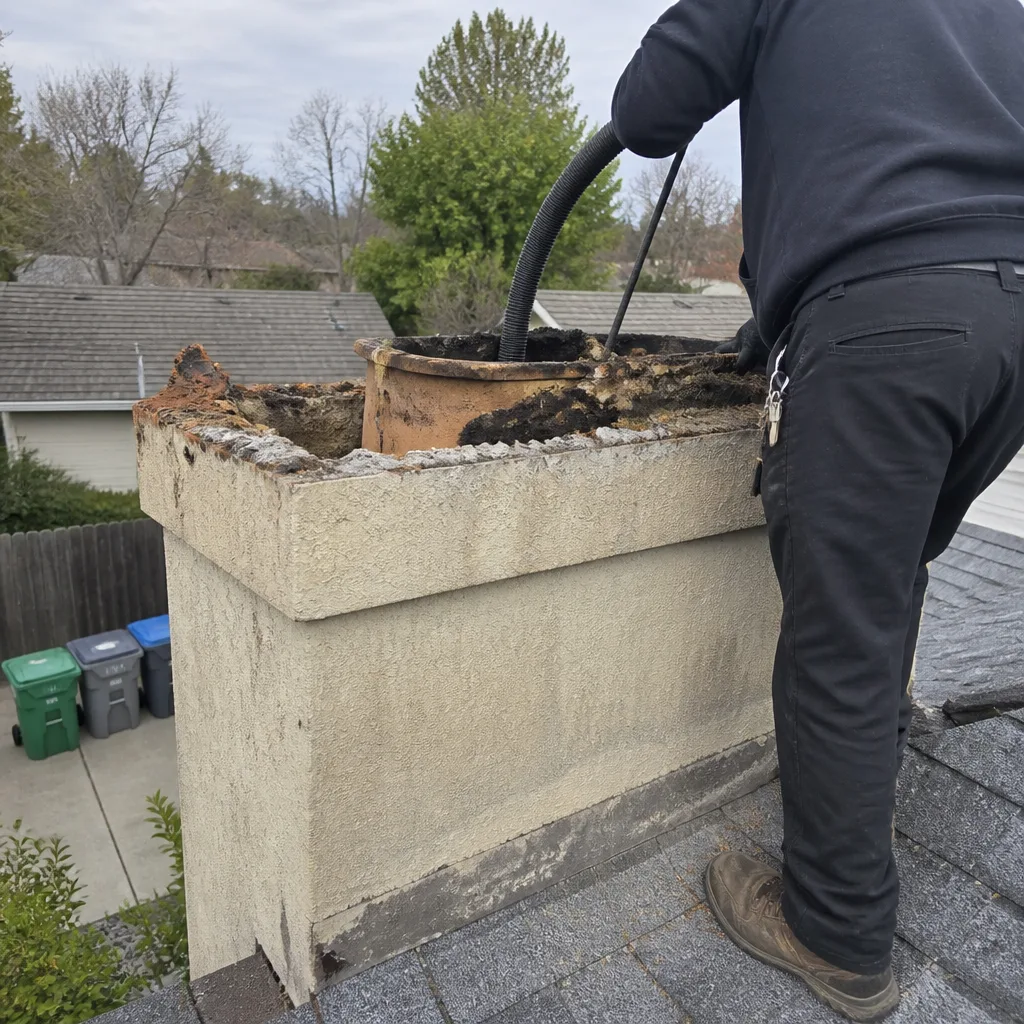 Before
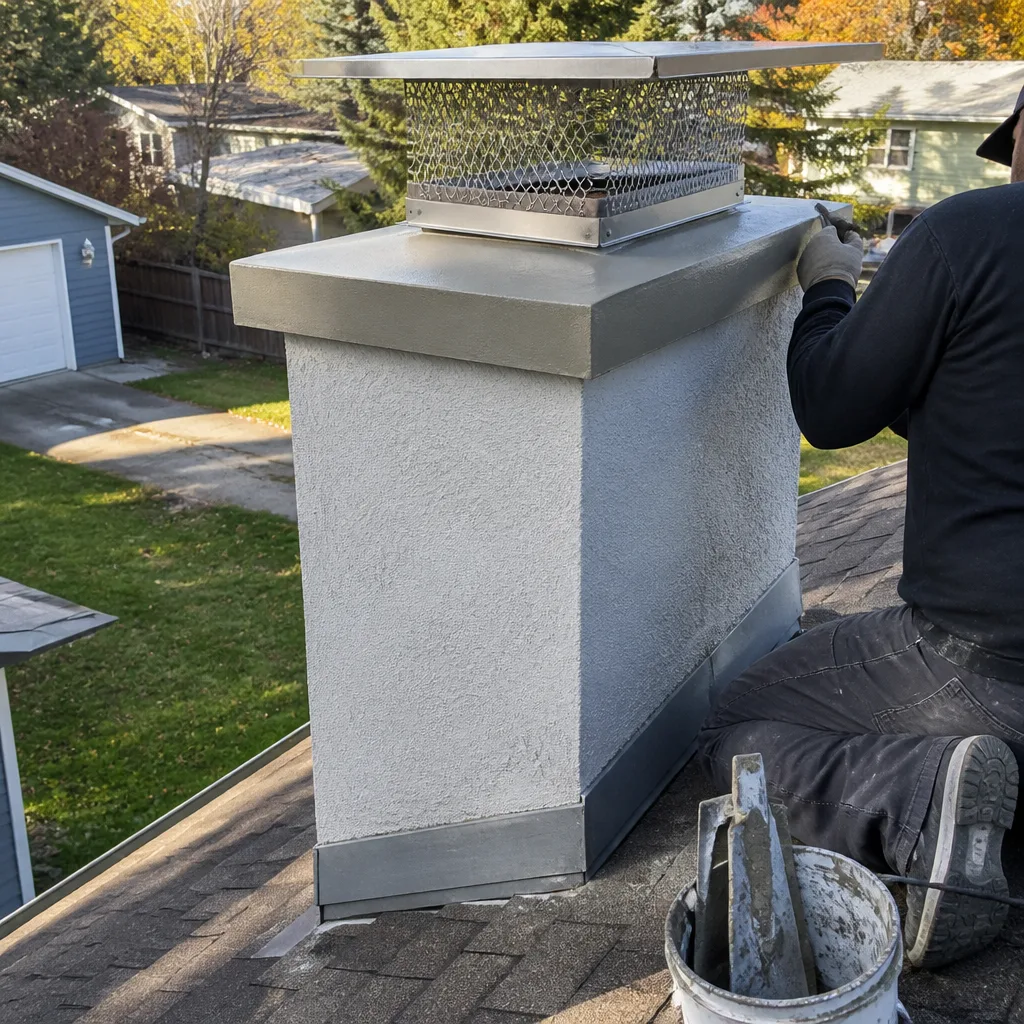 After