
Last updated November 2, 2026
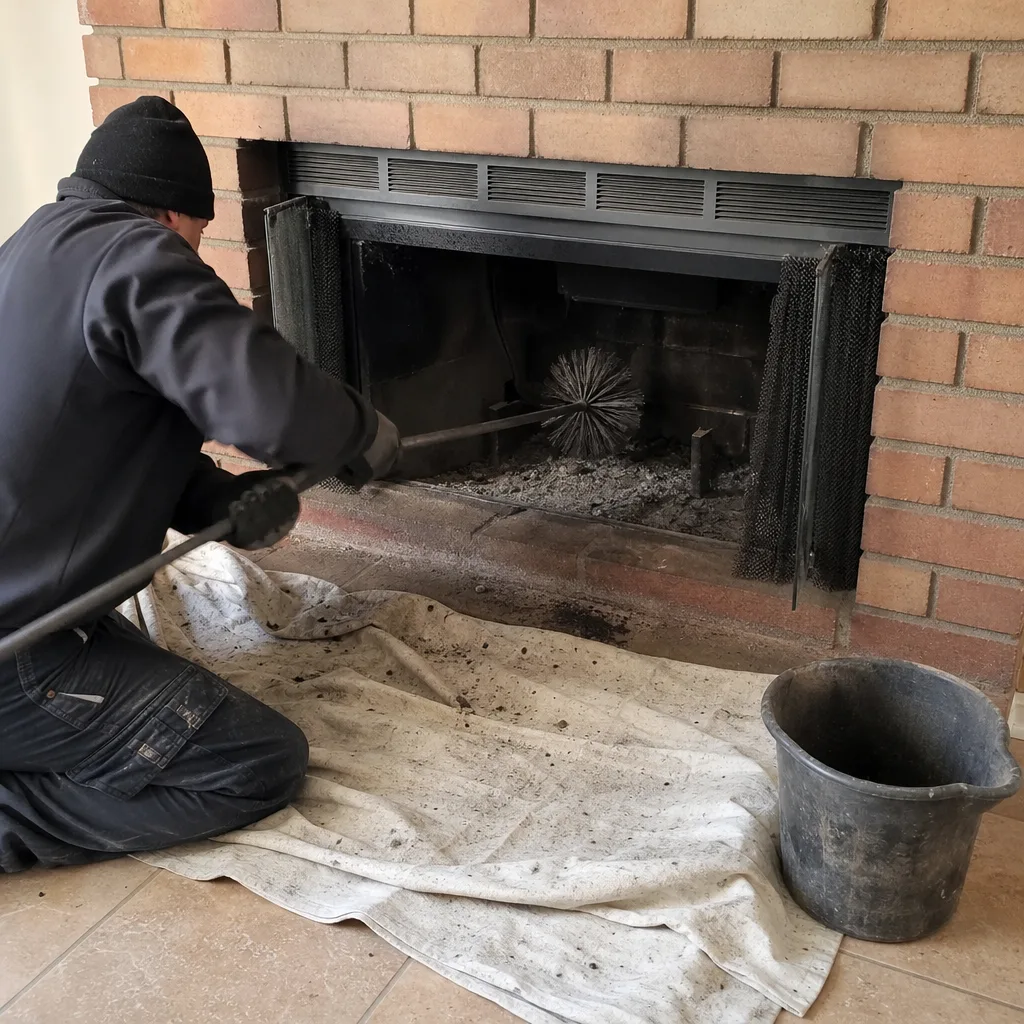
 Sweep & inspection
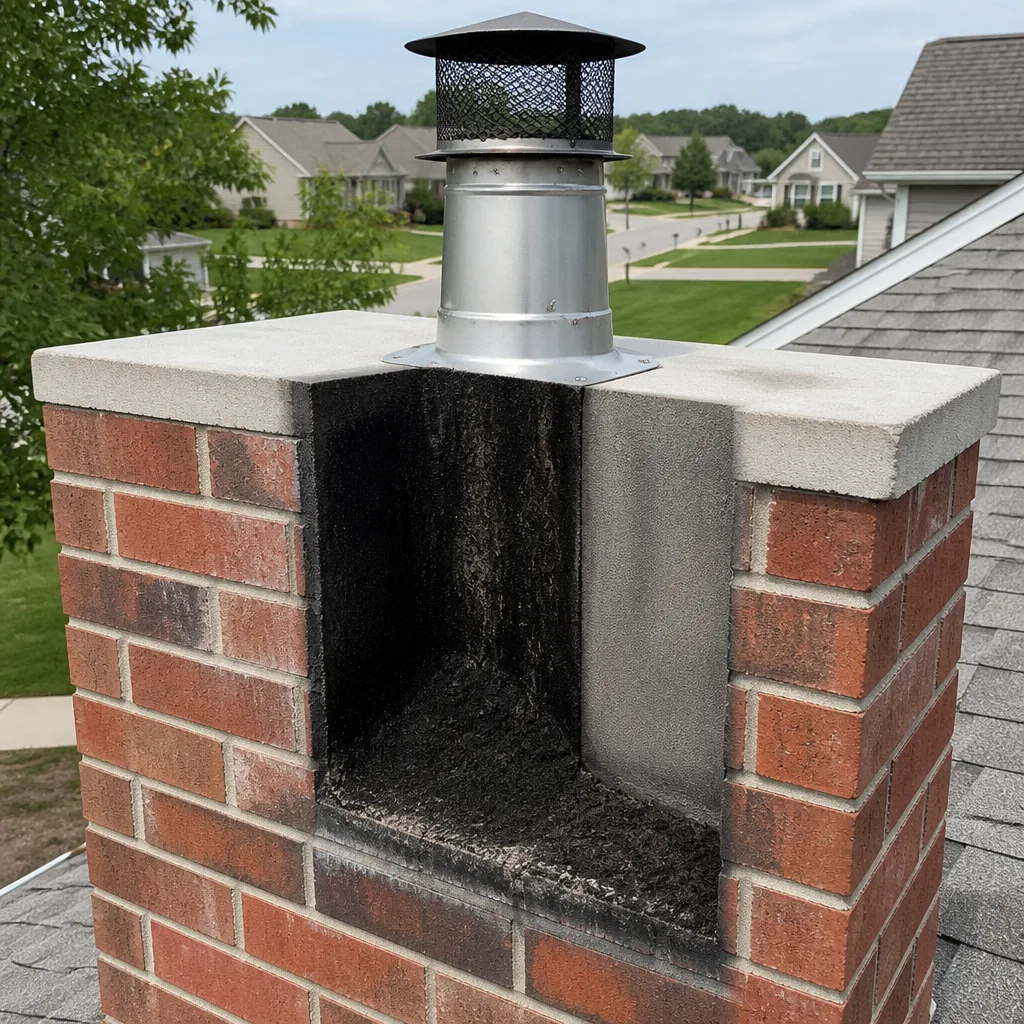
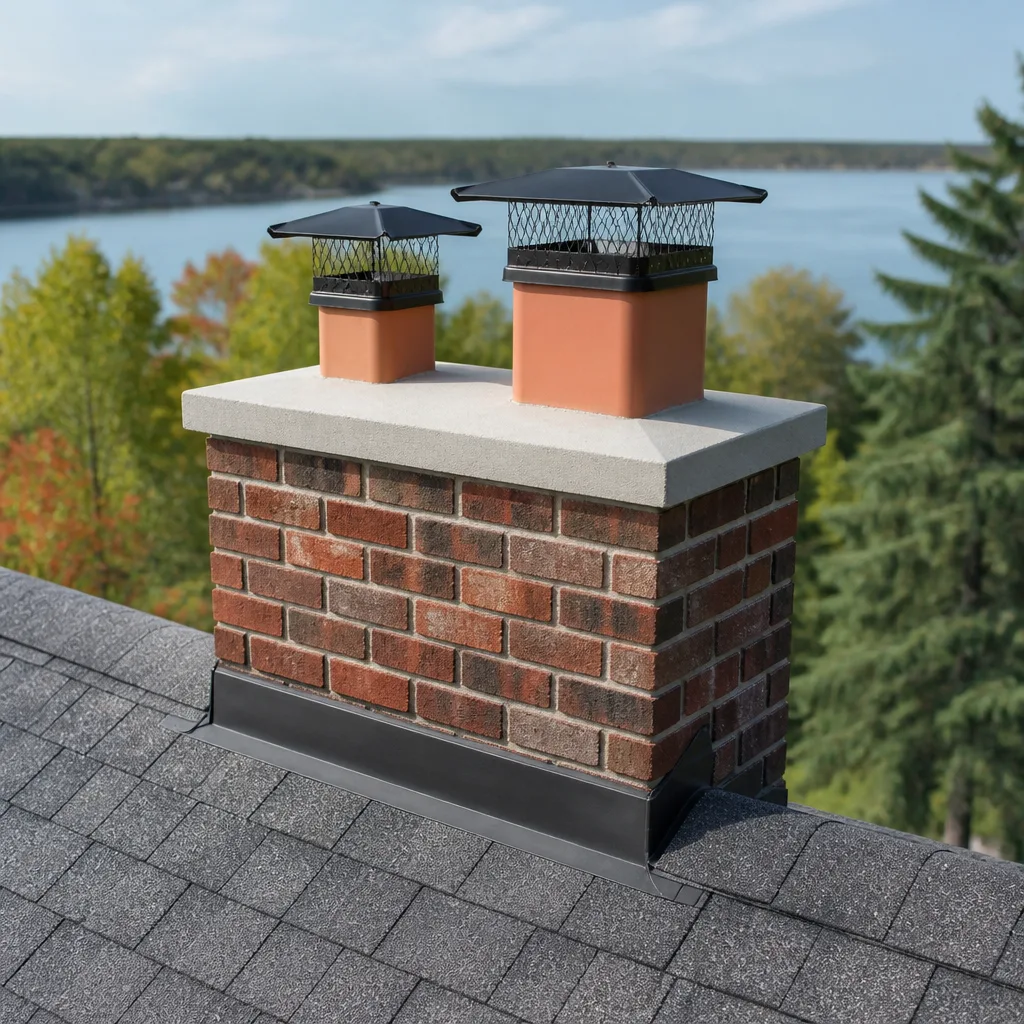 Caps & crowns
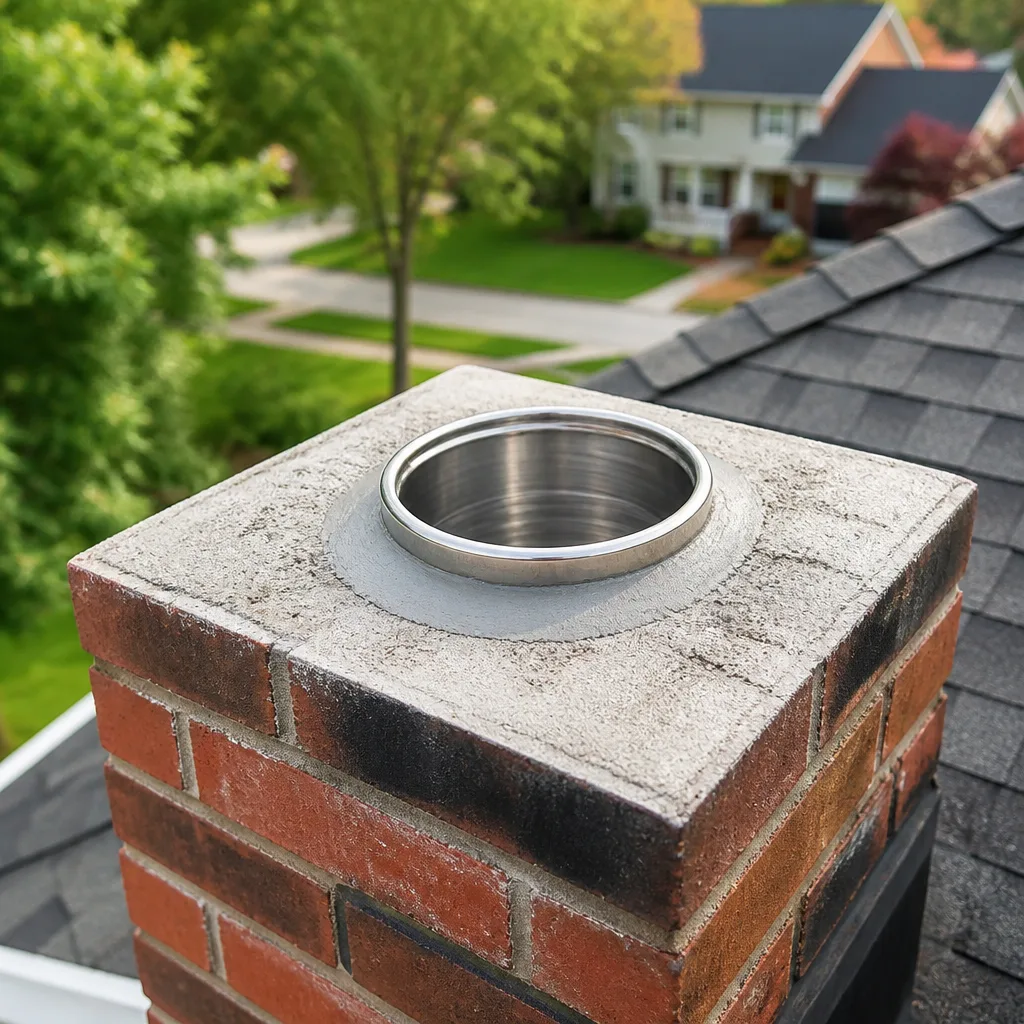 Flue relining
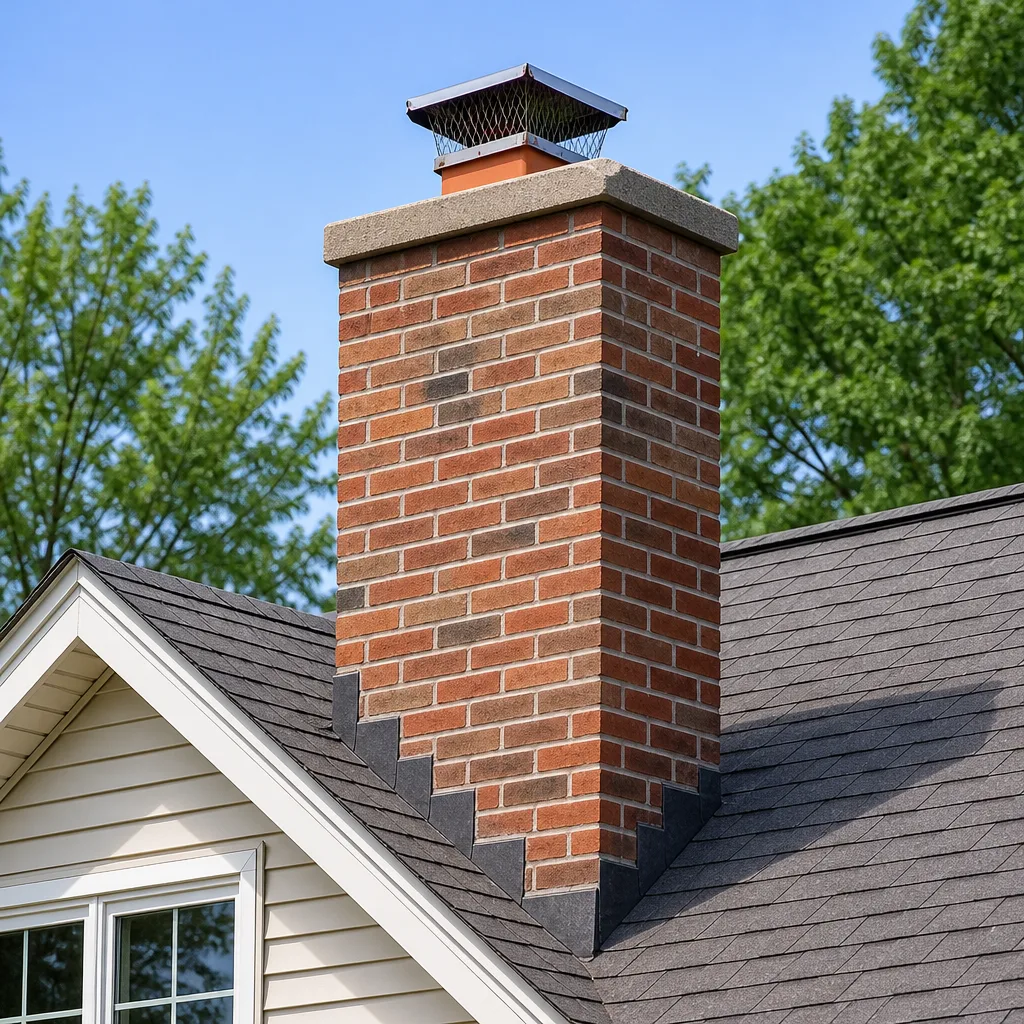 Masonry repair
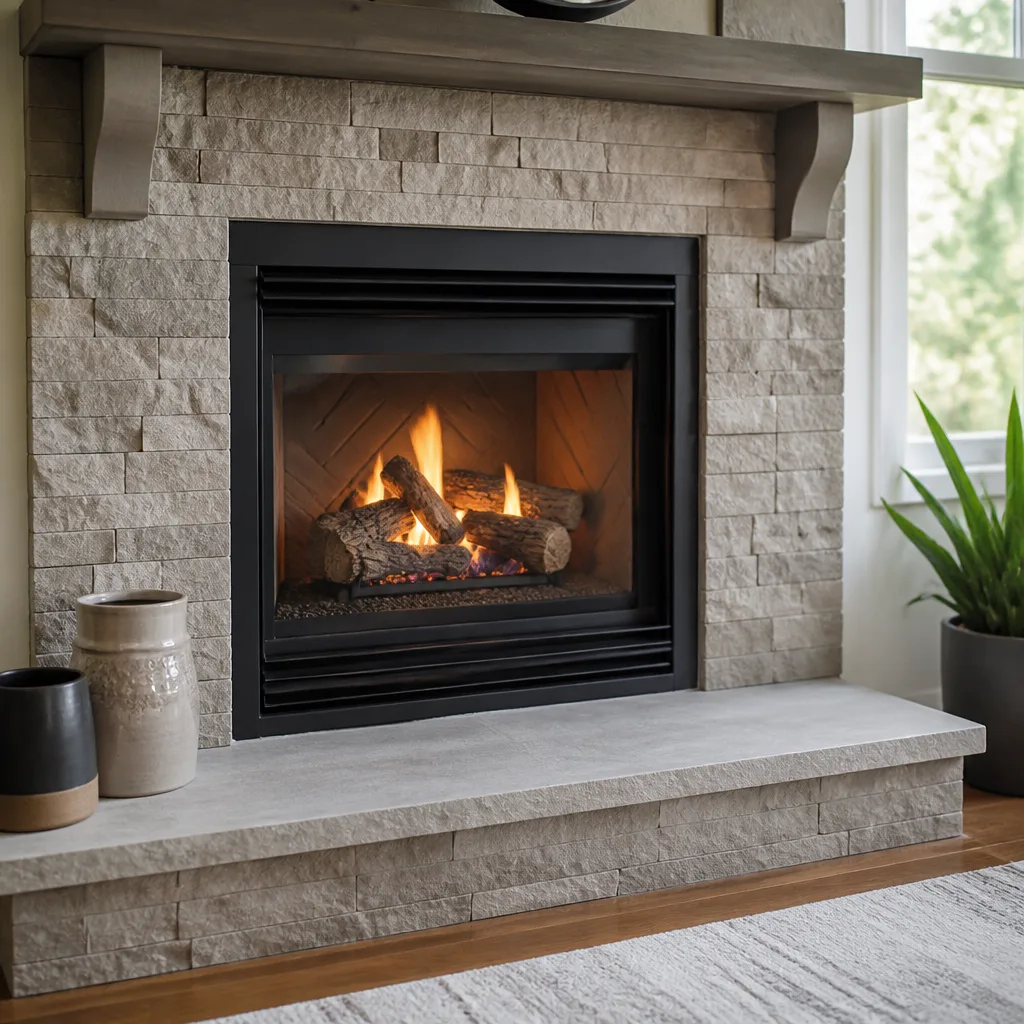 Gas fireplace service
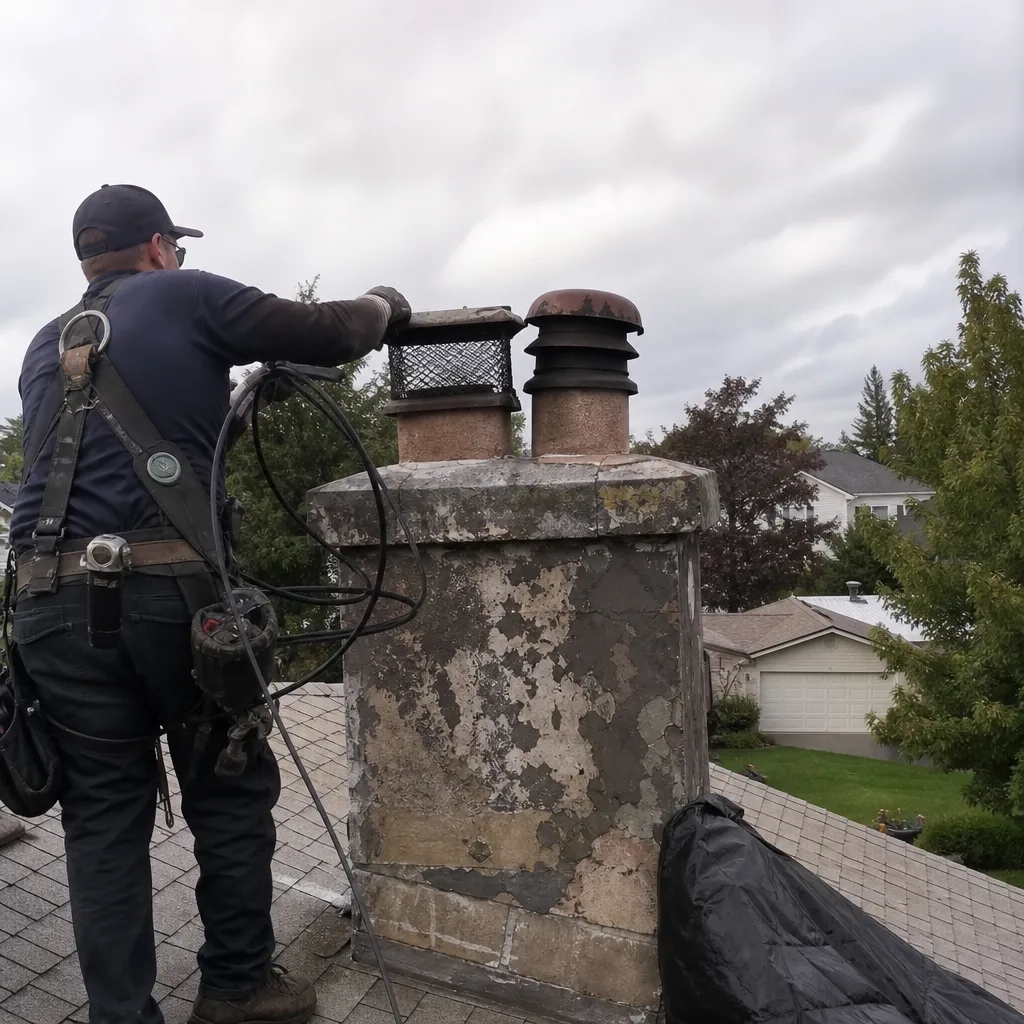
Level 1 sweep and inspection to the NFPA 211 annual standard - flue, crown, cap, and flashing checked and photographed
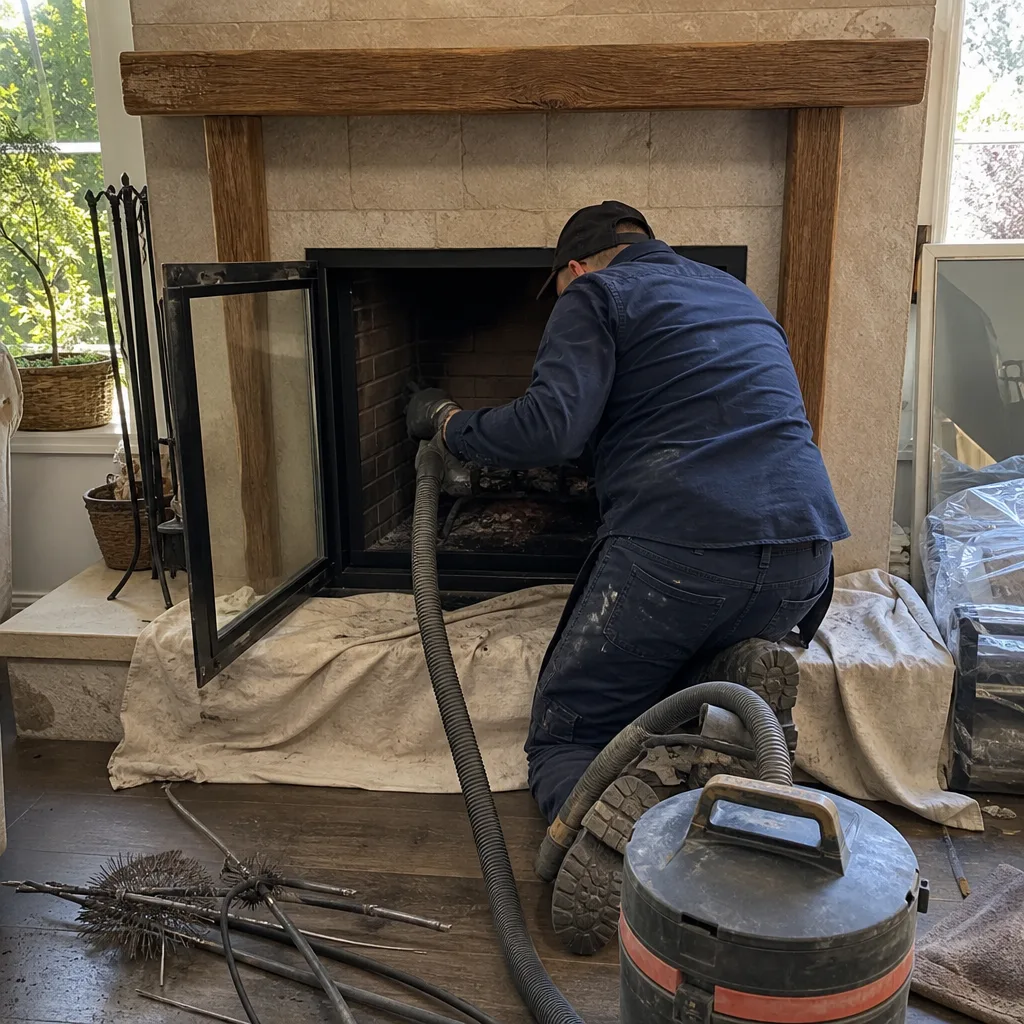
Chimney sweep logs do not sweep chimneys. They loosen some creosote - which then falls where a brush and vacuum still have to collect it.
Chimney Sweep Troubleshooting: Common Problems and How to Fix Them
Here’s a counterintuitive fact we run into constantly in Rancho Cordova: most homeowners who call us about smoke spilling into the living room have already spent money trying to fix the wrong problem. They’ve replaced the damper, bought a chimney balloon, maybe even had the flue swept by a handyman with a brush from the hardware store. But in the newer tract homes that make up much of Rancho Cordova’s housing stock – tight envelopes, double-pane windows, aggressive attic ventilation – the most common cause of smoke spillage has nothing to do with the chimney at all. It’s negative house pressure. This guide – along with our Complete Chimney Sweep Guide for Rancho Cordova Homeowners – walks you through how to diagnose the real problem behind your chimney symptoms, step by step, so you don’t burn cash on a fix that leaves the actual hazard sitting right where it was. You’ll learn what we look for as sweep technicians, what you can safely check yourself, how to tell a nuisance issue from a fire risk, and exactly when to pick up the phone. We’ll cover smoke spillage, summer odors, cold drafts, poor draw, staining patterns, and the repair options that actually hold up in Sacramento County’s climate.
Styles & brands we work with
- Sweep & inspection
- Caps & crowns
- Flue relining
- Masonry repair
- Gas fireplace service
Quick Answer
Most chimney problems – smoke in the house, smoky smells, weak draft – have multiple possible causes, and the right fix depends entirely on which one you have. Start by identifying the symptom precisely, then work through the diagnostic steps below. In many Rancho Cordova homes, smoke spillage is caused by negative house pressure from exhaust fans and tight insulation, not by anything wrong inside the flue itself. For any symptom involving smoke, strong gas odor, or visible soot, stop troubleshooting and call a professional.
Table of Contents
- Smoke Spillage: The Pressure Problem Nobody Checks
- Summer Chimney Odors: Humidity vs. Hazard
- Cold Drafts and Dampers That Won’t Seal
- Weak Draw: Three Causes That Need Completely Different Fixes
- What Firebox Staining Patterns Tell You Before Anyone Looks Up
- Liner Damage and Resurfacing: When Cleaning Isn’t Enough
- Common Mistakes to Avoid
- When to Call a Professional
- Frequently Asked Questions
- The Bottom Line
Smoke Spillage: The Pressure Problem Nobody Checks
When smoke rolls into the room instead of up the flue, the instinct is to blame the chimney. The damper gets adjusted, the flue gets inspected, sometimes the whole thing gets rebuilt – and the smoke keeps coming. Here’s what we’ve learned from diagnosing this exact problem across hundreds of homes in Rancho Cordova, Folsom, Fair Oaks, and the surrounding Sacramento suburbs: the chimney is often innocent.
Modern homes are built tight. That’s good for energy bills and bad for fireplaces. Every house needs to breathe, and if a house can’t pull make-up air through leaks and gaps, it pulls air from the only place with an easy path: the chimney. When your furnace is running, your bathroom exhaust fan is spinning, your kitchen hood is pulling, and your doors and windows are closed, the inside of the house becomes lower pressure than the outside. Air rushes down the flue to equalize it. Then you light a fire, and the smoke follows the same path down as the air – into the living room.
The Tissue Paper Test: A 60-Second House Pressure Diagnostic
Before you call a chimney sweep to tear anything apart, do this. It’s the single most useful diagnostic we teach homeowners, and it costs nothing.
- Close every window and exterior door in the house.
- Turn on every exhaust appliance: bathroom fans, kitchen range hood, clothes dryer if it’s near the living space. Do not turn on the furnace. Do not light a fire.
- Hold a single sheet of tissue paper in the fireplace opening, near the top of the opening, while the exhaust fans run.
- Watch the tissue. If it pulls into the room – away from the fireplace – the house is negative-pressure and the chimney is fine. If it pulls toward the flue, you still have normal draft and the problem is elsewhere. If it hangs limp, you have a marginal situation that will shift with weather.
If the tissue test shows negative pressure, the fix is air. Open a window a crack near the fireplace for the hour you’re burning. Install a fireplace-specific make-up air vent if you want a permanent solution. In some Rancho Cordova homes we’ve seen bathroom fans that are oversized for the square footage they serve – a common builder-grade shortcut – and simply replacing a loud 110-CFM ceiling fan with a quieter, smaller unit fixes the smoke problem forever. This is the kind of thing a generalist won’t check, because it’s not in the flue. But at Bedrock Chimney Sweep home, it’s page one of the troubleshooting process.
Other Smoke Spillage Causes Worth Checking
- Cold flue / reverse draft: If the chimney is on an exterior wall and hasn’t been heated, the column of cold air inside it will sink instead of rise. Light a roll of newspaper and hold it up near the damper for 60 seconds before lighting the kindling.
- Flue too short or too small: Some Rancho Cordova homes have fireplace inserts that were installed improperly, with a flue liner that doesn’t match the appliance’s manufacturer spec. A flue that’s one size too small will create sluggish draw that spills smoke whenever the firebox door is open.
- Partially closed damper: Dampers that don’t open fully due to rust or warping restrict airflow enough to cause spillage even with strong draft above.
- Blocked flue cap or spark arrestor: A spark arrestor packed with creosote or nesting material starves the flue. This is a quick fix but needs to be done on the roof, which carries fall risk – call a professional with the right equipment.
Summer Chimney Odors: Humidity vs. Hazard
It’s August in Rancho Cordova, 97 degrees outside, the AC is running, and the living room smells like a campfire that burned down two weeks ago. No fire has been lit since April. What’s happening?
The answer is almost always creosote and humidity. Creosote – the black, tarry byproduct of wood combustion – is hygroscopic, meaning it absorbs moisture from the air. During Sacramento’s dry summers, creosote deposits in your flue sit relatively dormant. But on humid days, or when rain drives moisture into a chimney without a cap, that creosote soaks up water and releases the same smoky, acrid odor you’d smell during burning season. The odor intensifies when the house is closed up and the AC pulls a slight negative pressure that draws air down the flue and into the room. Nothing is burning. Nothing is immediately dangerous. But that smell is telling you something important: the creosote layer is thick enough and the flue is vulnerable enough that moisture is getting in.
The fix is a proper mechanical sweep with professional brushes, not the fiberglass rod and brush kit from the hardware store. In our experience in Rancho Cordova, a flue that’s been cleaned correctly and protected with a full-width chimney cap with a spark arrestor stops smelling in summer. The cap does double duty: it keeps direct rain and leaf moisture out, and it stops birds and squirrels from building nests that trap humidity.
The one odor that is always an emergency: If the smell is sulfurous – like rotten eggs or a struck match – and you heat with gas, shut off the gas supply to the appliance, ventilate the house, and call your utility or a chimney professional immediately. That’s a gas leak or a blocked vent dumping combustion gases into the house. We train our technicians to treat every report of that smell as a potential carbon monoxide scenario until proven otherwise. Do not try to troubleshoot a sulfur smell yourself.
Cold Drafts and Dampers That Won’t Seal
A fireplace that drafts cold air into the house in winter is a different problem from one that spills smoke. Cold-air intrusion means the damper isn’t sealing when closed, or the flue has no damper at all. Smoke spillage means airflow is restricted or reversed during active burning. Homeowners often conflate the two, which leads to buying the wrong fix.
A damper that won’t seal lets conditioned air escape up the flue 24/7, even when the fireplace is cold. You’ll feel a cold breeze at face level when you stand in front of the firebox. You’ll notice your heating bill creeping up in December and January. The causes are usually rust on the damper hinge, warping from years of heat cycling, or accumulated creosote so thick the damper can’t fully close. In Rancho Cordova’s older riverfront neighborhoods, we also see cast-iron dampers that have cracked – a failure mode that’s impossible to see without a camera inspection, because the crack is in the damper throat.
The right repair depends on the damage. A misaligned damper can sometimes be adjusted without replacing it. A rusted or cracked damper is a safety issue and should be replaced and replaced correctly – and that’s the crucial part – because a damper sits at the narrowest point of the firebox-to-flue transition and a sloppy install creates its own airflow problems. We stock replacement damper assemblies from Copperfield and Olympia Chimney lines, which are the same brands specified by certified chimney engineers, not the universal-fit kits at the big-box stores that leave cold gaps around the edges.
A damper that won’t open fully is the opposite problem. You push the lever to the open position, but the damper plate only swings 45 degrees instead of the full 90, or it hangs at a diagonal. That restriction turns a normal fire into a smoky one. The fix might be simple – lubrication, cleaning, a new lever rod – or it might be a warped plate that needs replacement. Either way, this is a 15-minute repair on a service call, not a reason to rebuild the chimney.
Weak Draw: Three Causes That Need Completely Different Fixes
Slow draw is the most misdiagnosed symptom in chimneys. The fire lights, it burns, but the flames lean toward the room instead of up the flue. The smoke hovers at the firebox opening. The fire feels “lazy.” The cause could be fuel, sizing, or blockage – and treating the wrong one wastes money without fixing anything.
Cause 1: Wood Moisture
If you’re burning wood that hasn’t been seasoned to below 20% moisture content, you’re not producing enough heat to drive draft. Wet wood burns cool, which means the flue never heats up enough to create a strong updraft. It also produces exponentially more creosote than dry wood – we’ve swept flues in Rancho Cordova where a single season of burning unseasoned almond or oak produced a quarter-inch of glaze. The fix is free: buy wood a year ahead, store it covered and off the ground, and buy a $25 moisture meter from any hardware store. If the reading at a freshly split face is above 20%, stack it and wait.
Cause 2: Flue Sizing
Some flues are simply too big for the fireplace they serve. This is common in older Rancho Cordova homes where a fireplace was built oversize for aesthetic reasons. A 12-by-12 masonry chimney serving a small Rumford-style firebox will never draft well, because the flue cross-section is too large for the volume of hot gases the fire produces. The gases cool, stall, and spill. The proper fix is not a more powerful draft – it’s reducing the flue cross-section with a properly sized stainless liner. We install DuraFlex flexible liner systems for exactly this application, sized to the appliance manufacturer’s spec, not guessed at. A flue that’s been relined to the correct diameter can transform a smoky, frustrating fireplace into a clean-burning one.
Cause 3: Blockage
Blockage is what most homeowners assume first, and it does happen – but not as often as the first two causes. When it does, it’s serious. We’ve removed squirrel nests, bird nests, dead animals, collapsed chimney tiles, and creosote so thick it had reduced the flue opening to the diameter of a coffee cup. Blockage is a fire hazard and a carbon monoxide hazard, full stop. If you suspect a blockage – the fire burns fine for 15 minutes, then smoke starts pushing back in; or the smoke curls and eddies at the top of the firebox opening – do not keep burning. Do not try to rod the chimney from inside. Call a Chimney Sweep in Rancho Cordova to get eyes into the flue.
What Firebox Staining Patterns Tell You Before Anyone Looks Up
Professional chimney sweeps don’t just look up. We look around. And the firebox facing – the brick, stone, or tile surface that surrounds the firebox opening – carries a record of every airflow problem the fireplace has ever had. Reading that record takes years of experience, but here’s what the most common patterns mean.
Dark staining at the top center of the opening, with clean edges at the sides: This is the classic signature of intermittent smoke spillage on startup. The fire is lit, the flue is cold, and for the first five to ten minutes, the smoke hugs the top of the firebox and rolls out into the room. Once the flue warms up, the spillage stops. The fix is preheating the flue with a rolled newspaper torch held near the damper for a minute before lighting the kindling – and making sure the damper is fully open.
Staining that wraps around the sides and lower edges of the facing: This is the signature of chronic spillage, not intermittent. The smoke isn’t making it up the flue at all, consistently. In Rancho Cordova homes, this pattern almost always correlates with the negative-pressure problem described above. The tissue paper test is the right first step. If the pressure test is clean, the flue needs a camera inspection.
Clean firebox with heavy staining on the damper assembly and first few feet of flue: The fireplace drafts fine at the firebox level, but the damper area is restricting flow enough that creosote and soot are depositing heavily right at the constriction point. This is often a damper that doesn’t open fully, or a damper that’s been replaced with an incorrect-size unit. The fix is a damper adjustment or replacement.
Staining that runs in vertical streaks down from the damper, with no pattern on the facing at all: This is usually water intrusion, not smoke. The streaks are mineral and creosote residue being carried down by rainwater entering through a damaged or missing chimney cap. The fireplace may draft fine, but the moisture is doing damage to the mortar joints and will eventually cause spalling – the chipping and flaking of brick faces. The fix is a proper chimney cap and, if the water has been intruding long enough, repointing of the affected mortar.
Liner Damage and Resurfacing: When Cleaning Isn’t Enough
Some chimney problems can’t be swept away. Creosote buildup can be mechanically removed. But when the flue liner itself is damaged – cracked tiles, spalling joints, gaps you can see on a camera inspection – the chimney is no longer safe to burn, no matter how clean it is. The liner is what keeps combustion gases inside the chimney and away from the combustible framing of your house. A damaged liner is a direct path for heat and carbon monoxide to reach wood framing, insulation, and drywall.
In the past, the only fix for a damaged liner was a full reline – breaking out the old tiles and installing a new stainless system. That’s still the right fix in many cases, and it’s a job we do regularly. But for liners with early-stage damage, there’s a middle path that didn’t exist a generation ago: HeatShield ceramic flue resurfacing. The process involves cleaning the flue, reinforcing the damaged areas, and applying a ceramic coating that restores a smooth, sealed surface inside the existing chimney.
HeatShield is not a patch. It’s a tested, code-recognized resurfacing system, applied by certified applicators – and this is the capability that sets a dedicated chimney company apart from a sweep-only operator. A sweep can tell you the liner is cracked. A generalist handyman will quote you a reline, because that’s the only option in their toolkit. The right repair is the one that matches the actual condition of the liner, and that decision needs to be made with camera evidence in front of you. If the liner has minor cracks but remains structurally sound, resurfacing may extend its life by 15 to 20 years for a fraction of the cost of full replacement. If the liner is collapsed or severely damaged, no coating will fix it, and you need a new DuraFlex or Famco stainless system. We show you the footage and explain why the recommendation is what it is. The right repair, not the easy one.
This is the full-system difference: a chimney that’s swept but has a damaged liner is not safe. A chimney that’s resurfaced but never swept will clog again. The only way to know what you actually need is to inspect – and that inspection should be done by a company that can perform every possible fix, not one that only cleans. You shouldn’t have to take a chimney sweep’s word on a liner problem, then call a completely separate contractor to fix it, then wonder if the two communicated. At Bedrock, the person who finds the problem is backed by a full repair department. No referral runaround, no lost information between companies. Your entire venting system, handled under one roof.
Common Mistakes to Avoid
- Adjusting the damper when the real problem is house pressure. If the tissue paper test shows negative pressure, the damper is fine. Closing it, opening it, replacing it – none of it will stop smoke spillage on a negative-pressure day.
- Burning unseasoned wood to “save money.” Wet wood creates less heat and more creosote, which means you’ll pay for more frequent sweeps and risk a chimney fire, which will cost far more than buying dry wood.
- Ignoring a sulfur odor because the gas appliance “seems fine.” Gas doesn’t have to smell strong to be dangerous. Carbon monoxide is odorless; if the sulfur odor is present intermittently, the venting system is compromised. Treat it as an emergency.
- Painting over smoke staining on the facing without fixing the spillage. The paint will stain again within weeks, and you’ll have masked the early warning sign that told you the system was failing.
- Installing a universal-fit damper from the hardware store. Universal means “fits nothing well.” A damper with gaps around the plate leaks cold air, and a damper that prevents full closure wastes heat. Dampers need to be sized to the firebox and flue, not adapted to whatever the store had in stock.
- Scheduling a sweep without a camera inspection. A brush removes creosote, but it doesn’t tell you if the liner is cracked, the mortar joints are spalling, or a flue tile has shifted. If your sweep doesn’t offer camera inspections, you’re paying for half a diagnosis.
- Waiting until fall to address chimney problems. Every chimney company in Rancho Cordova gets buried in October. Problems found in August can be fixed before burning season starts; problems found in November might wait until January. Schedule proactively.
When to Call a Professional
Some chimney issues are worth troubleshooting yourself: the tissue paper test, checking wood moisture, inspecting the damper position. Others should never be touched by a homeowner. Call a professional if you see smoke spilling into the house on a consistent basis, if you smell a sulfurous or gas odor, if the fire has ever produced flames visible at the chimney top, if water is leaking into the firebox, or if you hear animals in the flue. These are situations where a mistake can burn down a house or poison the air inside it. A proper diagnosis requires a camera, a draft gauge, and years of seeing what’s normal in this region’s housing stock. Bedrock Chimney Sweep offers free estimates in Rancho Cordova – call (877) 752-8010.
Frequently Asked Questions
First, do the tissue paper pressure test described above – if the tissue pulls into the room with exhaust fans running, the fix is make-up air, not chimney repair. If pressure is normal, check that the damper opens fully, preheat the flue with a rolled newspaper torch, and verify the wood is below 20% moisture content. If all those are clean, the flue likely needs a camera inspection for blockage or sizing issues. Call (877) 752-8010 for a free estimate in Rancho Cordova.
Summer chimney odor is almost always creosote absorbing humidity and releasing smoky compounds, drawn into the house by air conditioning negative pressure or the natural stack effect. The fix is a mechanical sweep and a proper chimney cap. If the smell is sulfurous, treat it as a gas leak and call a professional immediately.
The National Fire Protection Association standard (NFPA 211) is to sweep when there’s 1/8 inch of creosote buildup, and to inspect annually. For a wood-burning fireplace in Rancho Cordova used two to three nights a week through the winter, that usually means a sweep every 12 to 18 months. For gas fireplaces, an annual inspection is sufficient. For a chimney that’s used occasionally but burns unseasoned wood, more frequent sweeping may be necessary.
A basic chimney sweep in the Rancho Cordova and Sacramento County market typically runs $150 to $250 for a standard wood-burning fireplace, with additional cost for heavy creosote, animal removal, or second-story access. A sweep that includes a camera inspection is worth the difference – the camera finds liner damage that a visual check misses, and that discovery changes what repairs are needed before you light the first fire of the season. For an exact quote, call (877) 752-8010.
It depends on the specific damage, and you should never accept either recommendation without seeing the camera footage yourself. Cracked tiles in the first few feet of flue, with the rest of the liner intact, can often be addressed with HeatShield ceramic resurfacing. A liner that’s collapsed, separated at the joints, or has multiple spalled tile sections needs full replacement with a stainless system like DuraFlex. A reputable chimney company will show you the damage and explain why the recommended fix matches the condition, not the other way around.
You can, and in our experience we’d rather you didn’t. A fiberglass rod brush can’t remove third-degree glazed creosote, will not reach the full flue length in many Rancho Cordova homes, and does nothing to inspect the liner for damage. More importantly, a homeowner on a ladder cannot see what a camera on a roof-mounted rig can. The brush may make the flue look cleaner at the bottom, but the dangerous deposits near the top – where creosote glaze tends to concentrate – remain untouched. A professional sweep includes the inspection that turns a clean flue into a safe one.
White staining on exterior chimney brick is efflorescence – mineral deposits left behind when water passes through the masonry and evaporates. It means water is entering the chimney system, usually through a damaged crown, missing cap, or cracked mortar. The staining itself is cosmetic, but the water intrusion driving it will cause spalling and structural damage over time. The fix is to weep the water at its source, not to pressure-wash the brick.
The Bottom Line
Most chimney problems are diagnosable, and many are fixable without a full rebuild – but only if you start with the right diagnosis. Smoke spillage is often house pressure, not chimney structure. Summer smells are usually humidity, not active burning. Draft problems fall into distinct categories with distinct fixes. And the common thread in every section of this guide is that guessing is expensive. Get the diagnostic clear, get the evidence in front of you, and get a professional who can execute every possible repair, not just the ones they happen to offer. For more guides & resources, visit our blog. That’s the approach we bring to every chimney, fireplace, and dryer vent we service in Rancho Cordova and throughout Sacramento County. Solid from the ground up.
Written by the team at Bedrock Chimney Sweep, serving Rancho Cordova since 2014.
See the difference
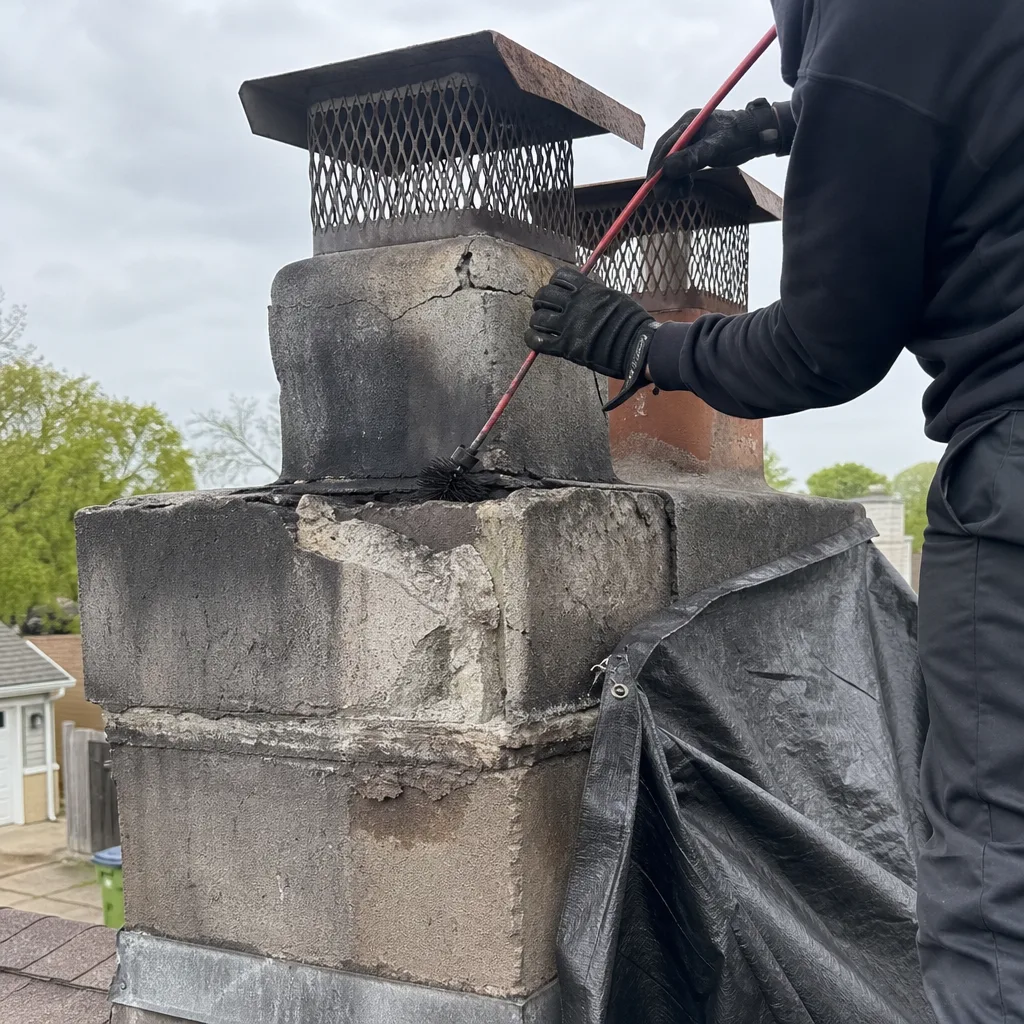 Before
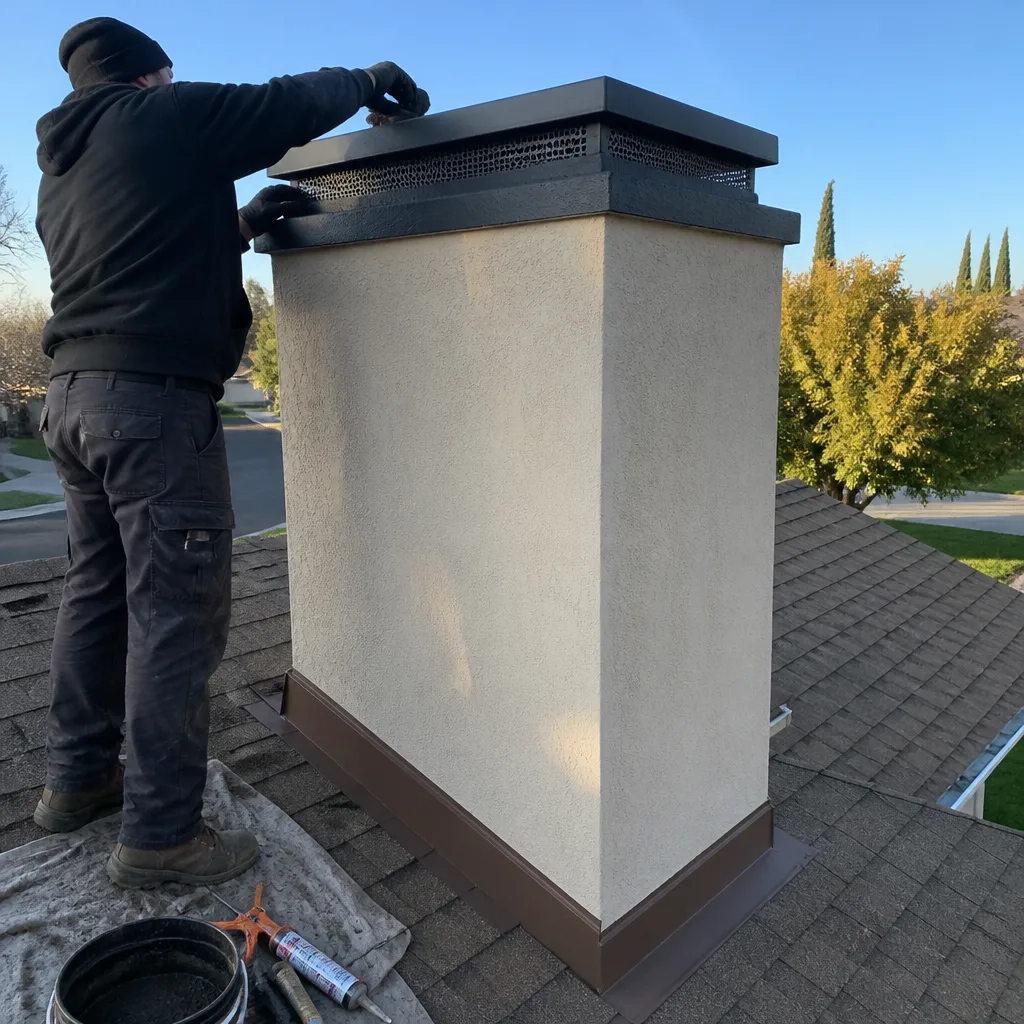 After
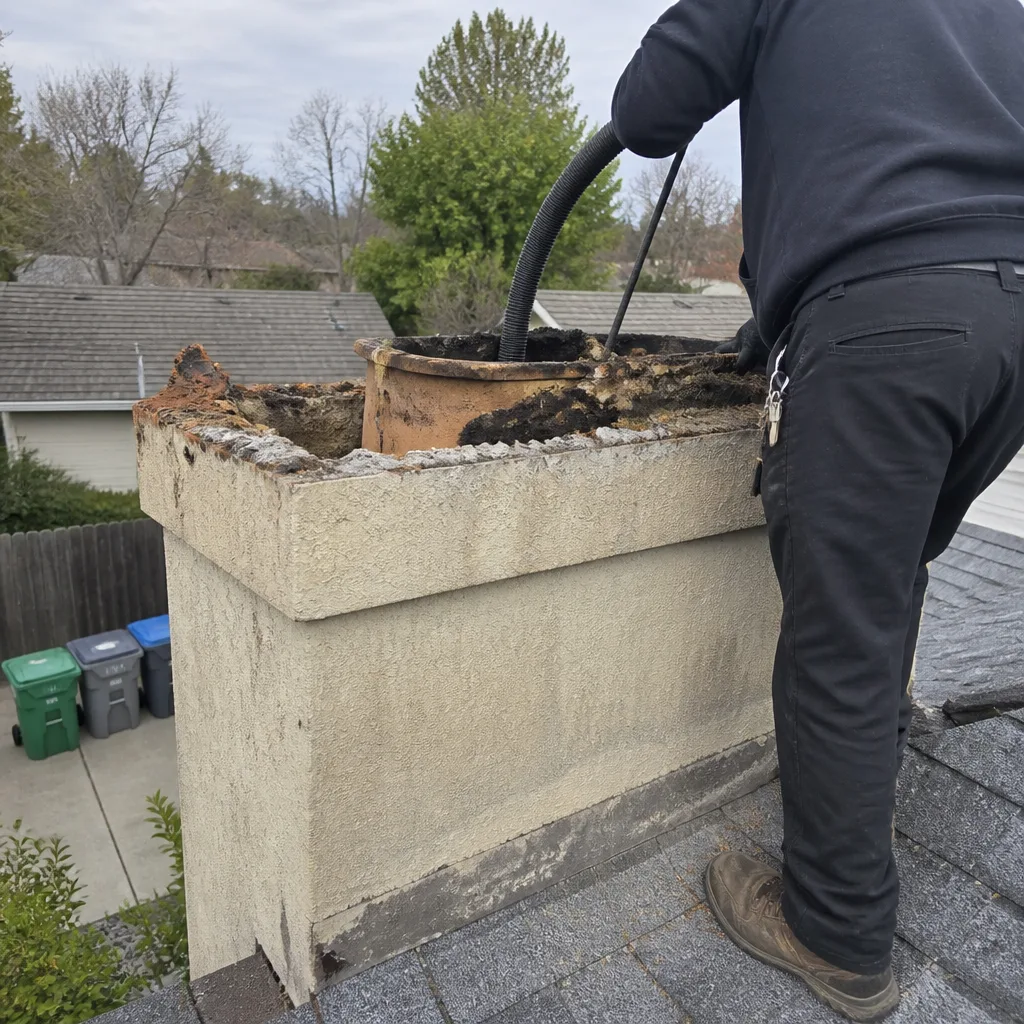
 Before
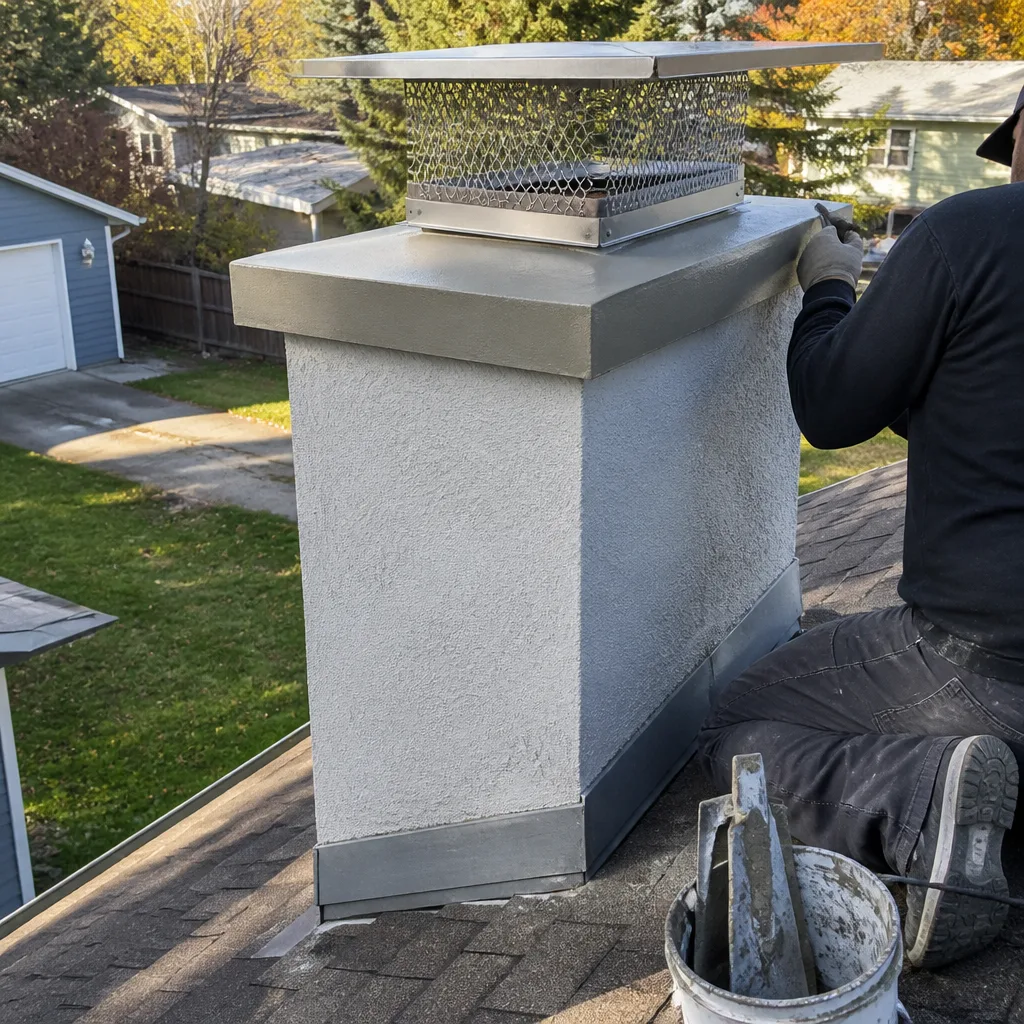
 After
 Before
 After