
Last updated November 3, 2026
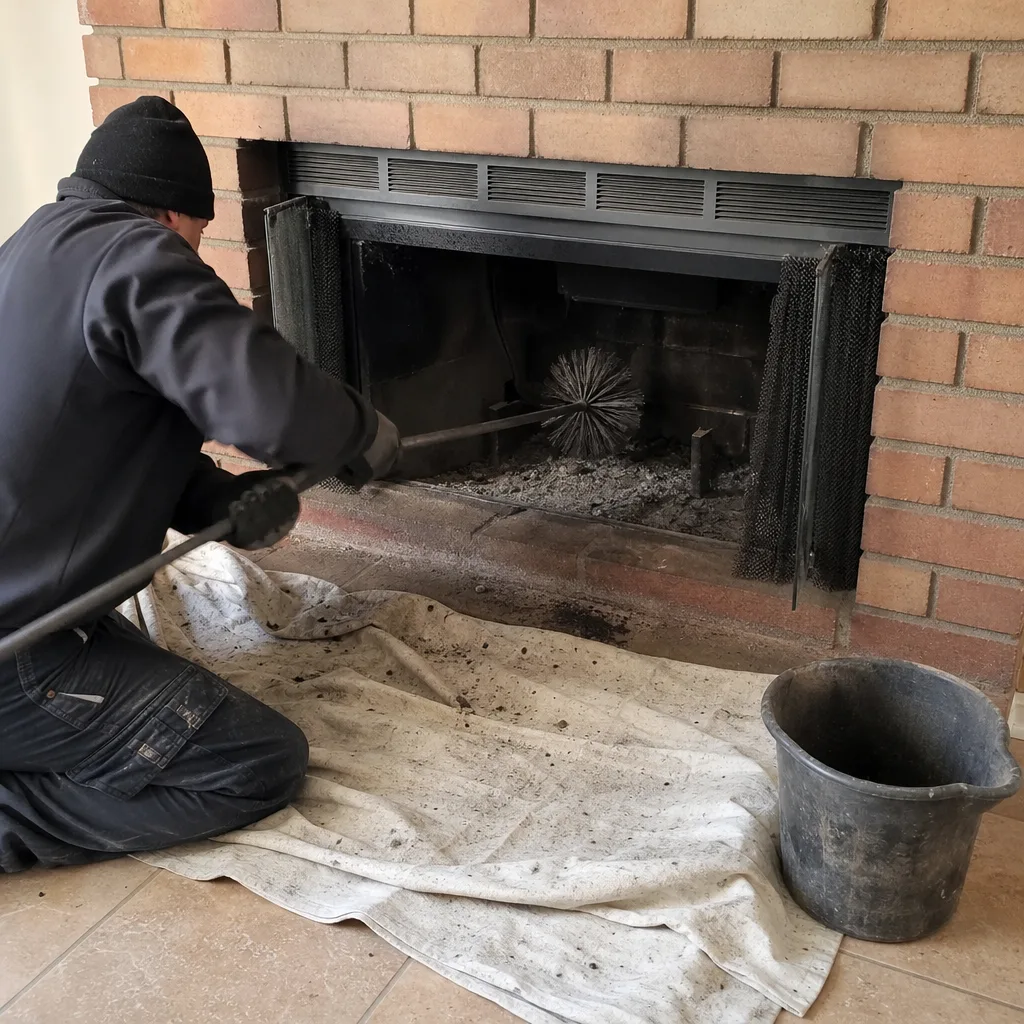
 Sweep & inspection
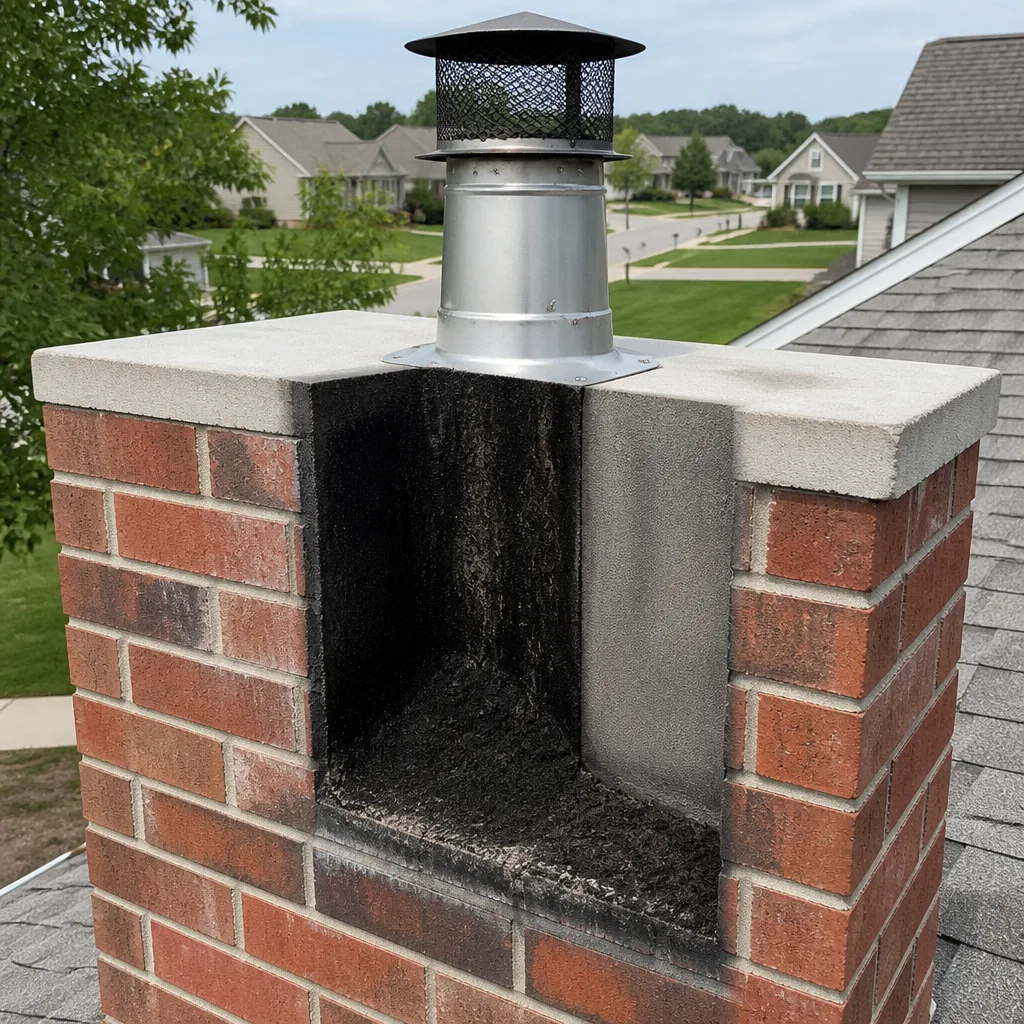
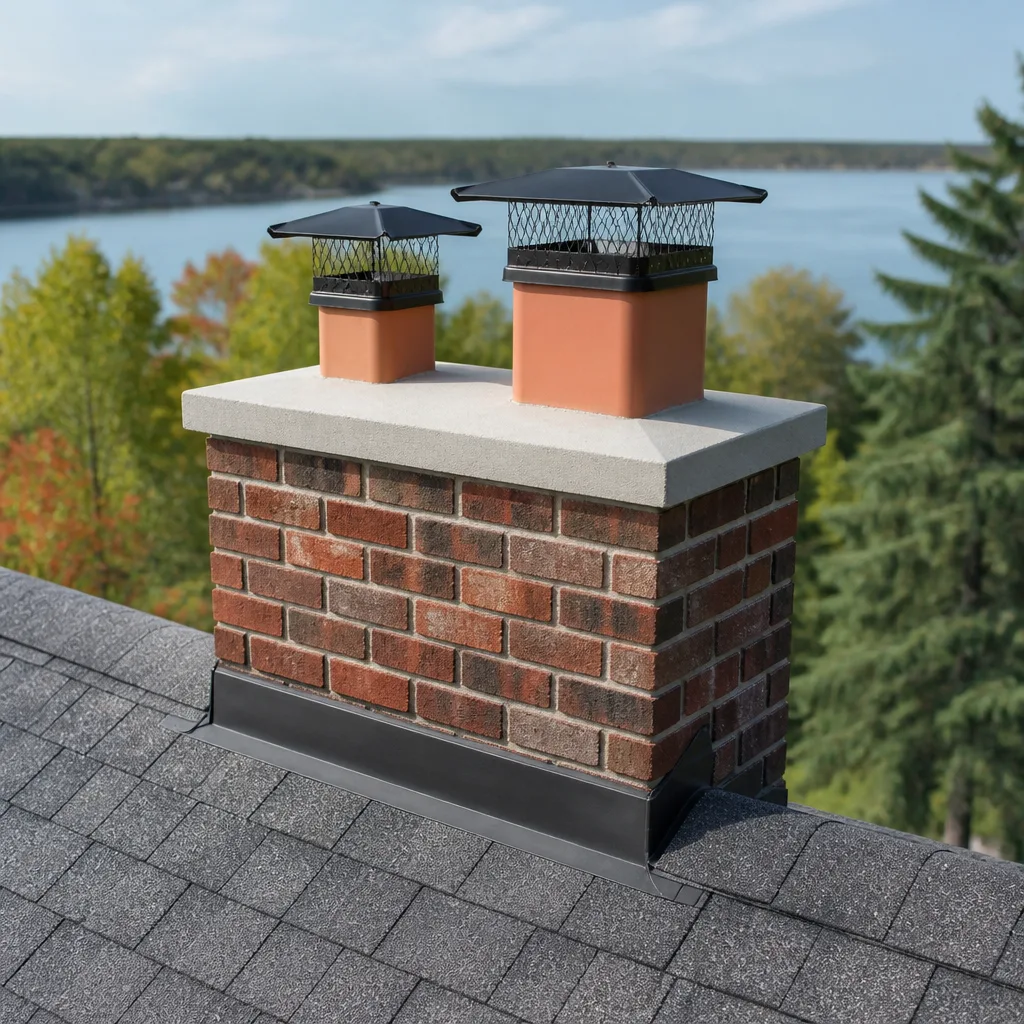 Caps & crowns
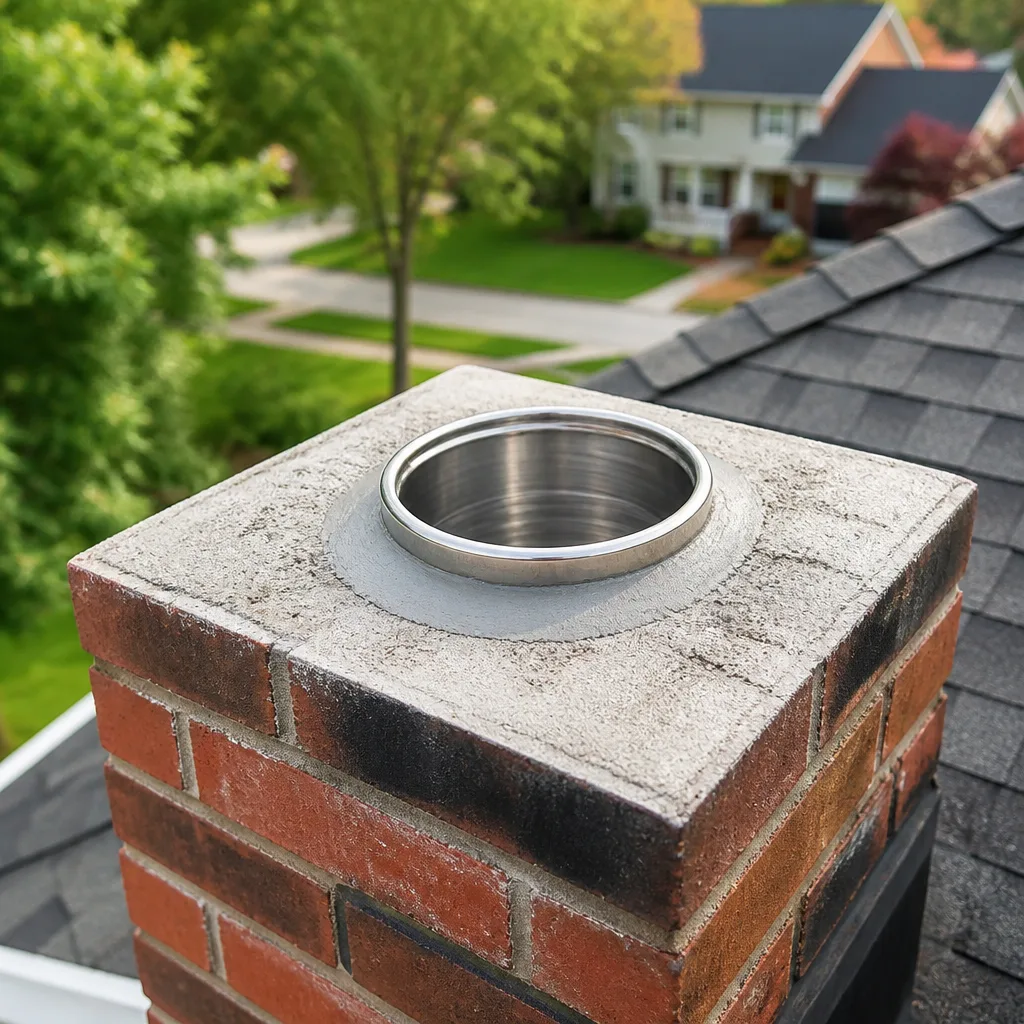 Flue relining
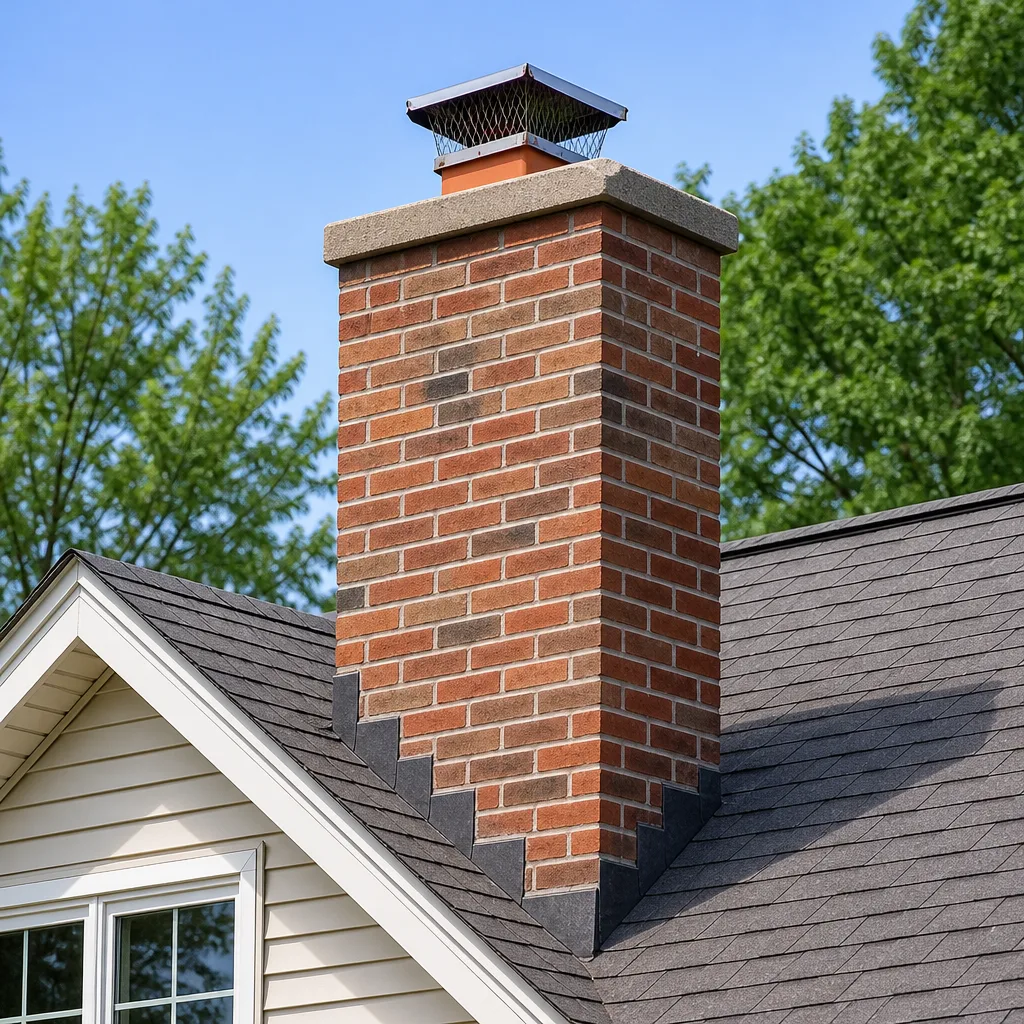 Masonry repair
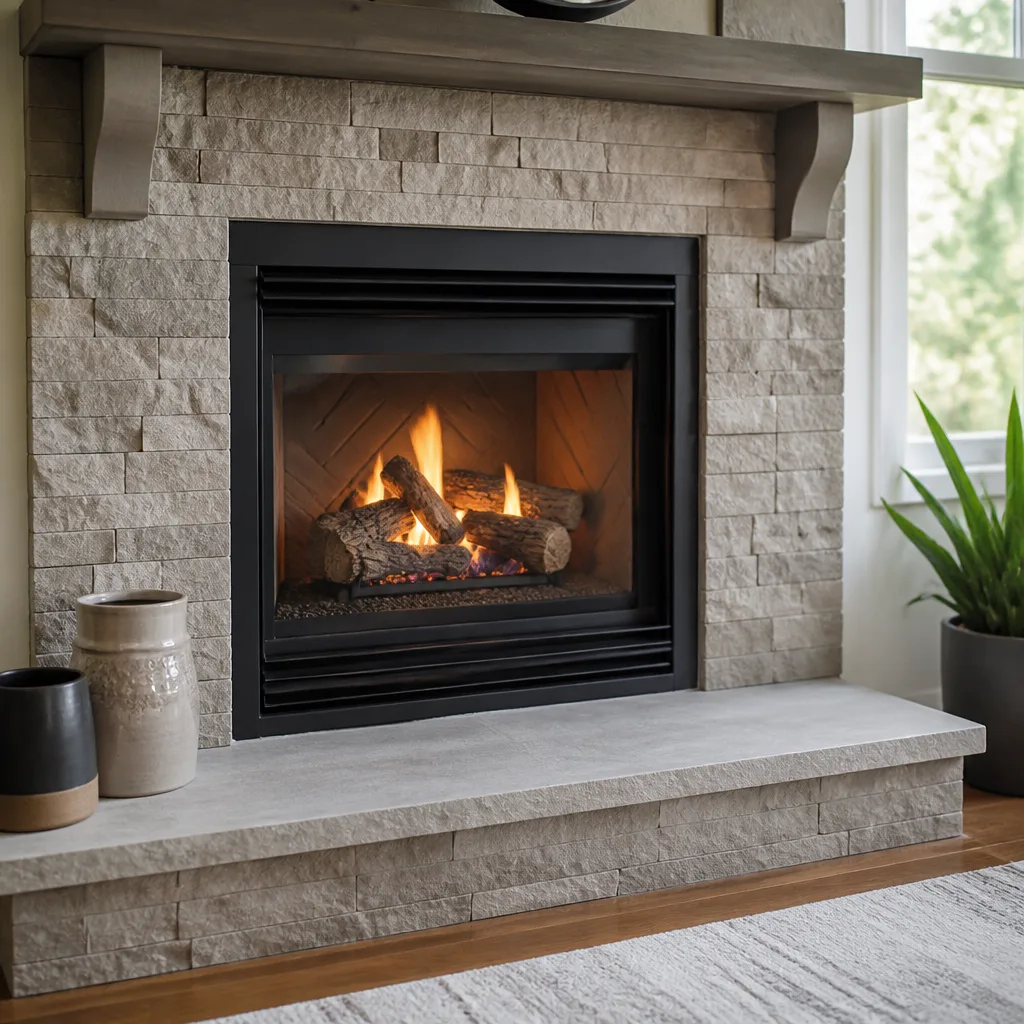 Gas fireplace service
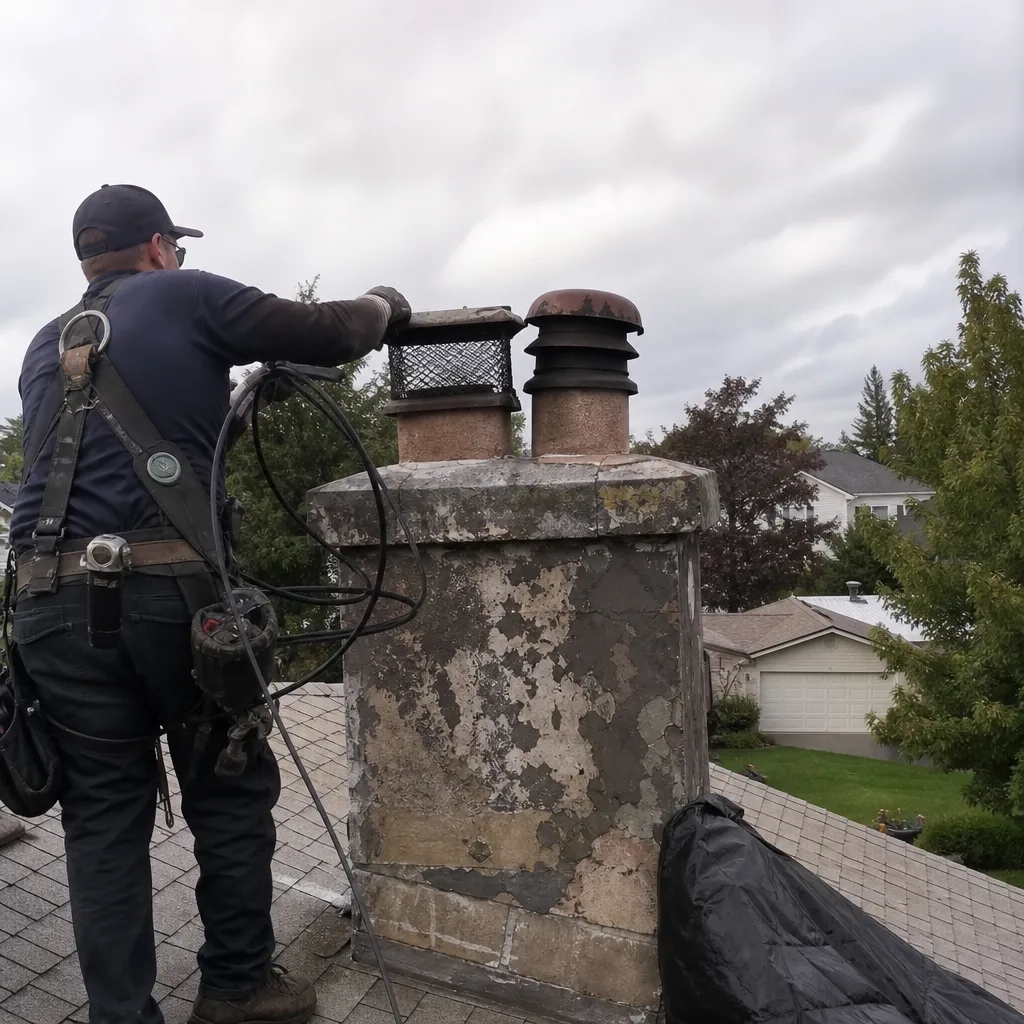
Level 1 sweep and inspection to the NFPA 211 annual standard - flue, crown, cap, and flashing checked and photographed
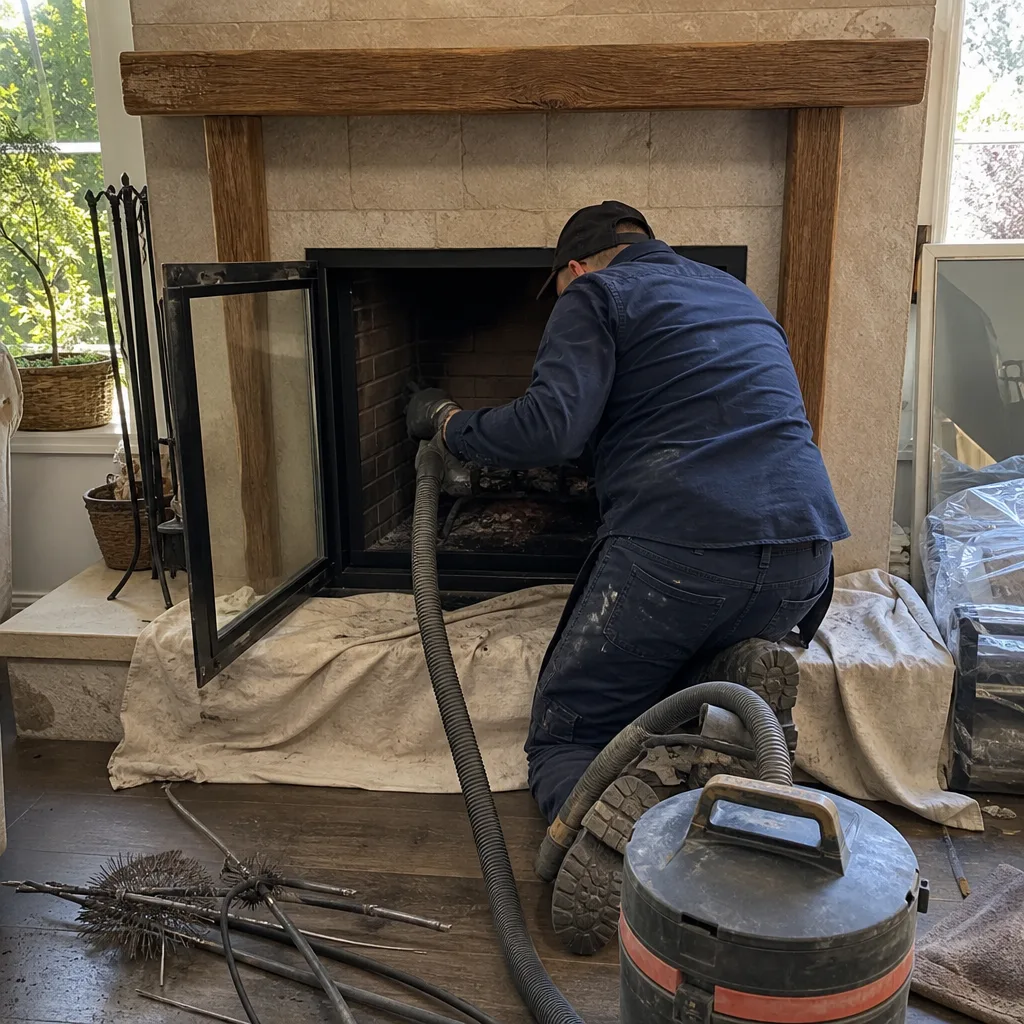
Chimney sweep logs do not sweep chimneys. They loosen some creosote - which then falls where a brush and vacuum still have to collect it.
The Complete Chimney Sweep Guide for Rancho Cordova Homeowners
Most chimney guides are written for the Northeast, where firewood is wet and winters drag on for six months. But that advice doesn’t map cleanly onto Rancho Cordova, where homeowners burn seasoned valley oak in short, intense fire seasons that start around November and taper off by February. The result is a different creosote signature, one that standard national averages don’t account for, and one that changes how often you should sweep, what a sweep should cost, and what your chimney tech should be looking for when they climb onto your roof. This guide covers the full picture for Rancho Cordova specifically: fuel, climate, home-age profile, inspection levels, report reading, and a few seasonal timing tricks that save money and prevent chimney fires.
Styles & brands we work with
- Sweep & inspection
- Caps & crowns
- Flue relining
- Masonry repair
- Gas fireplace service
Quick Answer
A chimney sweep in Rancho Cordova typically costs between $180 and $340 for a standard Level 1 inspection and cleaning of a single flue, with most calls completed in 60 to 90 minutes. Homeowners burning valley oak should sweep annually, preferably in September or October before the burning season begins. If your chimney was built during Rancho Cordova’s post-1970s tract-home boom and still has its original terra cotta liner, a camera inspection is worth scheduling sooner rather than later. Call (877) 752-8010 for a free estimate and a no-pressure assessment.
Table of Contents
- Why Rancho Cordova Chimneys Are Different
- How Often Should You Sweep a Chimney in Rancho Cordova?
- Level 1 vs. Level 2 Inspections: What Actually Happens
- The October Backlog Problem and How to Avoid It
- How to Read Your Sweep’s Written Report
- Terra Cotta Liners and Rancho Cordova’s Tract-Home Era
- What a Chimney Sweep Costs in Rancho Cordova
- Common Mistakes to Avoid
- When to Call a Professional
- Frequently Asked Questions
- The Bottom Line
Why Rancho Cordova Chimneys Are Different
Here’s the thing most chimney content misses: creosote isn’t one substance. It forms in three stages, and which stage you get depends heavily on what you burn and how hot and fast you burn it. Stage 1 is a flaky soot that brushes off easily. Stage 3 is a hard, shiny glaze that requires chemical treatment or rotary cleaning heads to remove. The stage that matters most for Rancho Cordova homeowners is Stage 2, and it forms faster here than the national averages suggest.
Valley oak, the dominant firewood in Sacramento County, is a dense hardwood that burns efficiently once seasoned. But it also produces a particular smoke chemistry: high particulate output in the first hour of the burn, followed by a long, hot coal bed. During those early minutes, when the flue is still warming up, smoke condenses on the cooler upper third of the chimney. That’s when Stage 2 creosote, a tar-like granular deposit, starts building. Add Rancho Cordova’s dry summer air, which cures creosote between burns rather than letting it stay wet and flaky, and you get a deposit that’s harder to remove than what a chimney tech would find in a humid coastal climate.
We see this pattern across Rancho Cordova neighborhoods, from the older homes off Coloma Road to the newer developments along Sunrise Boulevard toward Anatolia. The fuel is consistent, the climate is consistent, and the result is predictable: chimneys here need annual cleaning, not the every-two-years cadence that national guides often suggest. A [Bedrock Chimney Sweep home](/ “Bedrock Chimney Sweep home”) inspection starts with understanding exactly what’s been burned in your fireplace, because fuel history tells us more than a visual glance ever could.
How Often Should You Sweep a Chimney in Rancho Cordova?
The National Fire Protection Association standard, NFPA 211, says chimneys should be inspected at least once a year and cleaned when creosote buildup reaches 1/8 inch or more. That’s the technical floor. For Rancho Cordova wood burners, the practical answer is simpler: if you burn more than a cord of oak per season, you need an annual sweep. If you burn less than that, or burn mainly on weekends from December through February, you can often stretch to 18 months, but you’ll want a visual check before each season regardless.
Gas fireplace owners have a different calculus. Gas doesn’t produce creosote, but it does produce acidic condensate that can corrode metal flues over time. And gas logs still generate soot that can block vents if the unit hasn’t been serviced in years. The safe rhythm for gas is an inspection every two years and a sweep whenever the glass looks foggy or you notice a sulfur smell that wasn’t there before.
Here’s a breakdown by fuel type:
- Wood (valley oak, almond, or mixed hardwood): Annual sweep, no exceptions if you burn more than one cord per season.
- Pellet stoves: Clean the burn pot and ash pan monthly during the season; professional flue cleaning annually. Pellet fines compact in the liner and reduce draft.
- Gas fireplaces and inserts: Inspection every two years; sweep if soot is visible or the flame pattern has changed from blue to yellow.
- Occasional wood burners (less than half a cord): Still inspect annually. Creosote forms even with light use, especially if the wood isn’t fully seasoned.
The annual sweep is also an audit opportunity. A good [Chimney Sweep in Rancho Cordova](/chimney-sweep-rancho-cordova/ “Chimney Sweep in Rancho Cordova”) call doesn’t just remove creosote. It checks the cap, the flashing, the damper, the firebox, the crown, and the flue liner. Think of it as an annual system audit, not a one-line cleaning task.
Level 1 vs. Level 2 Inspections: What Actually Happens
The inspection levels come from NFPA 211, and understanding them saves you from paying for work you don’t need, or worse, skipping work you do.
Level 1 Inspection
A Level 1 inspection happens when nothing has changed since the last sweep: same appliance, same fuel, same usage pattern. The technician does a visual check of the accessible portions of the chimney exterior and interior, confirms the flue is clear of obstructions, and checks the basic soundness of the structure. It does not include a camera scan. It doesn’t require ladders beyond roof access. It’s the inspection included with most standard sweep appointments.
Level 2 Inspection
A Level 2 adds camera inspection of the flue interior, and it’s triggered by specific events. Those triggers include a real estate transaction, a change in fuel type (converting from wood to gas, for example), a chimney fire, an earthquake or wind event that may have shifted the structure, or a long period of disuse. In Rancho Cordova, where summer temperatures regularly exceed 100 degrees and winter brings Sacramento Valley wind gusts, thermal expansion and wind-driven rain both take a toll. We recommend a Level 2 camera inspection any time a chimney hasn’t been used for more than three years, or any time you buy a home where the previous owner didn’t leave DIY vs Professional Chimney Cleaning: The Rancho Cordova Homeowner’s Decision Guide sweep records.
Level 2 findings in Rancho Cordova homes tend to cluster around two issues: cracked terra cotta liners (a product of the tract-home era) and damaged caps from wind-blown branches and debris. Neither is visible from the ground. Both show up clearly on camera.
The October Backlog Problem and How to Avoid It
Rancho Cordova’s burning season is short: roughly November through February, occasionally extending into March for the die-hards who enjoy a cold-morning fire. That creates a predictable service pattern. Most homeowners call for a sweep in October when the first cool night reminds them the fireplace exists. By then, every chimney company in the Sacramento area is booked three to five weeks out.
The fix is simple, and almost nobody does it: book your sweep in September. The weather is still warm, the creosote is fully cured from the dry summer, and sweeps are scheduling within days, not weeks. You’ll also get a more thorough cleaning because the technician isn’t rushing through a packed October route.
Here’s the seasonal sequence we recommend for Rancho Cordova wood burners:
- September: Book and complete your annual sweep and Level 1 inspection. Fix any issues found before the burning season starts.
- October: Order and stack your firewood if you haven’t already. Valley oak needs six to twelve months to season properly. If you’re buying wood in October, you’re burning it too wet, which accelerates creosote buildup and wastes heat.
- November: First fire of the season. Start with a small, hot fire to confirm draft is strong and no smoke spills into the room.
- December through February: Burn normally. Watch for signs of trouble: smoke backing up, a strong campfire smell indoors, or a dull, hollow sound when you tap the flue.
- March through August: Chimney rests. The dry Sacramento Valley summer cures any remaining creosote, which is exactly why September sweeps are easier and cleaner than spring sweeps.
If you skip the September window and find yourself in the October backlog, don’t skip the sweep entirely. A chimney that hasn’t been cleaned in two or more seasons is a risk you don’t want to take into the burning months. Call (877) 752-8010 and we’ll work through what we find with you, whether in October or any other month.
How to Read Your Sweep’s Written Report
A legitimate chimney service provides a written report after every visit. What you do with that report matters. Some findings require immediate attention. Others are notes for future monitoring. Here’s how to tell the difference.
Findings That Require Immediate Repair
- Creosote accumulation of 1/4 inch or more: This is a fire hazard. Address it before burning again.
- Stage 3 glazed creosote: Cannot be removed by standard brushing. Requires chemical treatment or rotary cleaning. If your sweep’s report says Stage 3, ask what treatment method they’ll use.
- Cracked or spalling flue liner: Gaps in the liner expose the chimney structure to heat and gases. This is a repair, not a monitoring item. Left alone, it becomes a chimney fire risk and a carbon monoxide risk.
- Blocked flue (animal nest, debris, dead bird): Remove before use. Full stop.
- Missing or damaged cap: The cap keeps rain, animals, and debris out. Without it, you’re inviting water damage and unplanned occupants.
- Disconnected or obstructed dryer vent: Lint buildup is the leading cause of dryer fires. If your sweep also handles venting, this should be resolved immediately.
Findings for Routine Monitoring
- Minor hairline cracks in the crown: Note it, monitor it, and plan for sealing within a year or two. Not urgent unless water is actively entering.
- Light surface rust on a damper: Common in Rancho Cordova homes where the fireplace sits unused for months. Lubricate and continue using.
- Minor creosote at Stage 1: Cleaned during the current visit. Just keep to your annual schedule.
- Flashing that’s aging but not leaking: Plan for replacement before the next rainy season, but no need to panic.
A good report includes photos, especially from a camera inspection. We show you what we find, not just a summary line on an invoice. If your tech won’t show you the images or explain what they mean, that’s a red flag about the quality of the work, not necessarily the condition of your chimney.
Terra Cotta Liners and Rancho Cordova’s Tract-Home Era
Rancho Cordova grew fast in the 1970s and 1980s, and a large share of the city’s housing stock dates from that period. Those homes were built with terra cotta clay flue liners, a material that was standard at the time and perfectly functional, if not particularly forgiving of Sacramento Valley temperature swings.
Here’s what happens: terra cotta expands and contracts with heat. In a climate like Rancho Cordova’s, where summer daytime temperatures sit above 100 and winter nights drop to the 30s, that expansion cycle is aggressive. Over 30 to 50 years, the tiles crack. Once a crack opens, hot gases and creosote find their way into the gap between the liner and the chimney structure. The next fire heats that creosote. The risk compounds.
The age of your home is a good proxy for liner condition. If your house was built between 1970 and 1990 and the chimney has never been re-lined, a camera inspection is the fastest way to know where you stand. Repair options range from HeatShield ceramic resurfacing, which restores a damaged liner without the cost and demolition of a full reliner, to a new DuraFlex flexible liner system when the terra cotta is too far gone to resurface.
Neither is a hardware-store product. Both are professional-grade materials specified by credentialed chimney engineers. The right repair is the one the camera evidence supports, not the one a salesperson happens to sell. Our [Chimney Repair in Rancho Cordova](/chimney-repair-rancho-cordova/ “Chimney Repair in Rancho Cordova”) work always starts with imaging, because no one should recommend a $4,000 reliner without showing you exactly why it’s necessary.
What a Chimney Sweep Costs in Rancho Cordova
Let’s talk numbers, because vague pricing is how sloppy operators hide sloppy work. A standard chimney sweep in Rancho Cordova, including a Level 1 inspection, runs between $180 and $340 for a single flue. The variance depends on roof access, chimney height, level of creosote buildup, and whether any animals have taken up residence since last season.
If you have a two-story home with a steep roof pitch, expect the higher end. If you have a single-story rancher with easy ladder access, expect the lower end. Two-story fireplace-plus-furnace flue setups run $300 to $450 because both flues need to be cleaned.
Here’s a reference table for common Rancho Cordova scenarios:
| Service | Typical Range | Notes |
|---|---|---|
| Standard sweep + Level 1 inspection (single flue) | $180 – $340 | Includes cap check, damper check, basic report |
| Level 2 camera inspection | $100 – $250 added | Required for real estate transactions, post-fire, or post-disuse |
| Wood stove or insert sweep | $200 – $350 | More disassembly required |
| Dryer vent cleaning (standalone) | $90 – $180 | Most companies charge a separate line item; some bundle with sweep |
| Animal or nest removal | $150 – $400 added | Depends on what’s in there and how long it’s been there |
| Chimney cap replacement | $150 – $400 installed | Professional stainless cap, not a big-box aluminum one |
These are the ranges we’ve seen in this market, not national numbers pulled from a database. Prices in Rancho Cordova run slightly below San Francisco and San Jose but above more rural parts of the valley, mostly due to travel time and the high proportion of two-story tract homes with access challenges.
If a quote comes in dramatically below these ranges, ask what’s included. A $79 sweep special often doesn’t include the inspection, the cap check, or the written report. It’s a loss-leader designed to get a technician on your roof so they can upsell you on repairs. A proper sweep is a full system check, not a quick brush through the flue.
For an exact quote, call (877) 752-8010. Estimates are free, and we’ll tell you plainly if your chimney can safely wait until next season.
Common Mistakes to Avoid
- Burning unseasoned oak. Valley oak needs six to twelve months to season. Burning it green produces more creosote in one season than two years of proper burning. If you’re buying wood in November and burning it the same week, you’re paying for heat you’re not getting and building up a problem you’ll pay to clean later.
- Assuming a gas fireplace never needs attention. Gas doesn’t make creosote, but it does make acid. Over time, acidic condensate eats at metal flue liners. Gas chimneys also attract birds and wasps during the long off-season, and a blocked gas flue is a carbon monoxide hazard, not just a nuisance.
- Skipping the sweep because the fireplace “seems fine.” Creosote builds on the upper third of the flue where you can’t see it from the hearth. By the time you notice a problem, you usually have that dull, hollow draft sound or smoke spilling into the room, which means the flue is significantly restricted.
- Using the fireplace as a garbage incinerator. Wrapping paper, cardboard, and pine needles burn fast and hot and send flaming embers up the flue. Those embers ignite creosote that a normal oak fire wouldn’t reach. The Rancho Cordova Fire Department responds to chimney fires every winter, and the cause is almost always either neglected maintenance or improper fuel.
- Hiring a roofer or handyman to inspect the chimney. Roofers know roofs. Chimneys are a separate system with separate failure modes. A roofer can reseal flashing, but they can’t assess liner integrity or creosote stage. If the person on your roof isn’t a chimney specialist, they’re guessing at half the system.
- Ignoring the dryer vent. Most chimney companies don’t touch dryer vents. But from a safety standpoint, a clogged dryer vent is a bigger fire risk than most chimneys. Lint is a finer, more combustible fuel than creosote, and it’s moving through a system most homeowners never inspect. Our [Dryer Vent Cleaning in Rancho Cordova](/dryer-vent-cleaning-rancho-cordova/ “Dryer Vent Cleaning in Rancho Cordova”) service addresses the leading cause of home dryer fires, which is exactly the kind of hazard a safety-first sweep should flag.
When to Call a Professional
Certain situations warrant a call before you burn again. If you’ve had a chimney fire, even a small one that went out on its own, get a Level 2 camera inspection before using the fireplace. The fire may have cracked the liner, and the next fire could be the one that gets into the structure. If you smell smoke or campfire indoors when the fireplace is not in use, that’s a draft or liner issue worth investigating. If you’re buying or selling a home in Rancho Cordova and the chimney hasn’t been inspected in the last two years, get it done before closing, not after. And if your dryer takes longer than 45 minutes to dry a load, the vent is likely the problem, not the dryer.
Bedrock Chimney Sweep offers free estimates in Rancho Cordova. Call (877) 752-8010 and we’ll walk through the situation with you, show you the data if you need it, and tell you plainly what needs attention and what can wait.
Frequently Asked Questions
A standard our Chimney Sweep services in Rancho Cordova costs between $180 and $340 for a single flue with a Level 1 inspection included. Two-story homes with steep roofs, dual-flue setups, or heavy Stage 3 creosote buildup run higher. Call (877) 752-8010 for an exact quote, no charge.
Annual sweeping is the right cadence if you burn more than a cord of oak per season; see The Complete Guide to Chimney Cleaning in Rancho Cordova for full details. Valley oak produces a dense, granular Stage 2 creosote that hardens in Rancho Cordova’s dry climate, and a year of that buildup is enough to create a legitimate fire risk.
A Level 1 is a visual check of accessible surfaces and is included with most standard sweeps. A Level 2 adds a camera scan of the flue interior and is required for real estate transactions, fuel changes, chimney fires, or any chimney that hasn’t been used in three or more years.
Creosote accumulates, the flue narrows, and the risk of a chimney fire climbs every season you skip. A chimney fire can reach 2,000 degrees inside the flue, crack the terra cotta liner, and spread into the home’s wood framing. The cost of a sweep is a fraction of the cost of repairing fire damage.
A cracked terra cotta liner shows up clearly on a camera inspection, and no reputable sweep should recommend a reliner without showing you the images. If the damage is moderate, HeatShield ceramic resurfacing can restore the liner without a full replacement. If it’s severe, a professional-grade liner like DuraFlex is the right call. The key is evidence. Ask to see the camera footage. If they won’t show it, get a second opinion. Call (877) 752-8010 if you want a straight answer from someone who will show you the data.
A safety-focused chimney and venting specialist should absolutely handle dryer vents. Lint accumulation is the leading cause of home dryer fires, and the failure mode is the same as a blocked chimney flue: restricted airflow leading to ignition. Most chimney companies ignore dryer vents entirely, which is why a service that treats them as a core line of work, not an upsell afterthought, is worth seeking out.
The Bottom Line
Rancho Cordova homeowners face a specific set of chimney conditions: dense valley oak fuel, a dry climate that cures creosote into stubborn deposits, and a housing stock from the 1970s and 1980s with terra cotta liners entering their fifth decade of service. An annual sweep in September solves the first problem and keeps you out of the October backlog. A camera inspection solves the second by showing exactly what’s happening inside the flue before it becomes a repair instead of a maintenance item. The cheapest sweep is the one you schedule before the season, and the safest chimney is the one you can prove is sound, not assume is sound. If you’re in Rancho Cordova and you want a professional spec-grade assessment of your entire venting system, call Bedrock Chimney Sweep at (877) 752-8010. The estimate is free, the report is clear, and we show you what we find.
Written by the team at Bedrock Chimney Sweep, serving Rancho Cordova since 2014. Explore more guides & resources.
See the difference
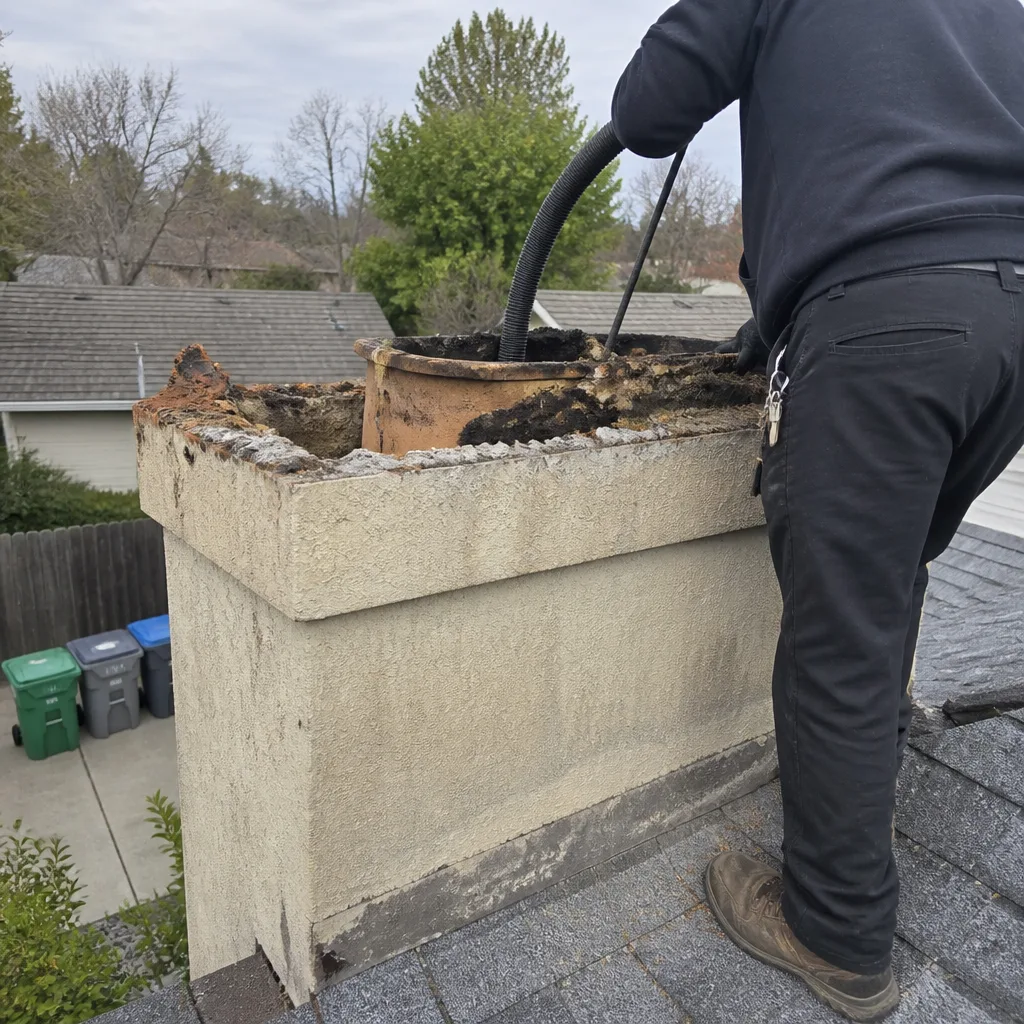
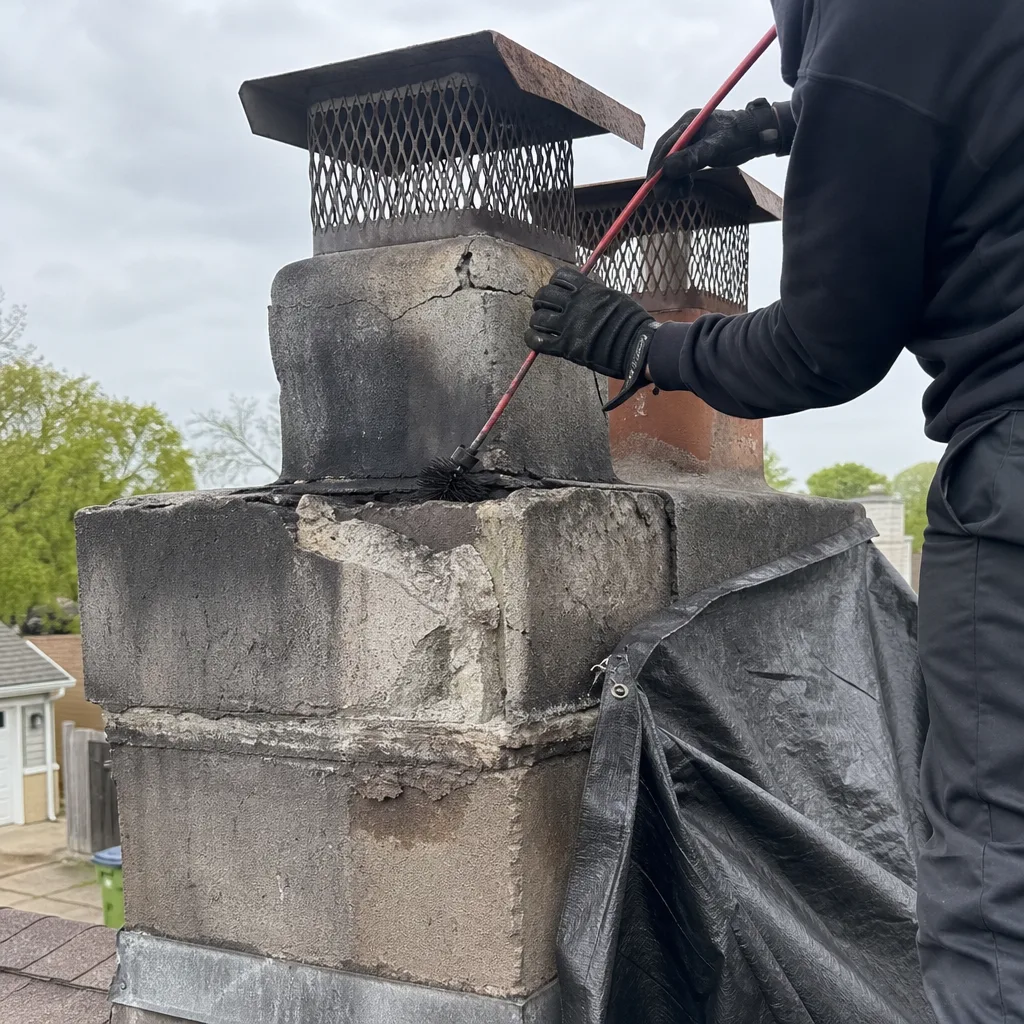 Before
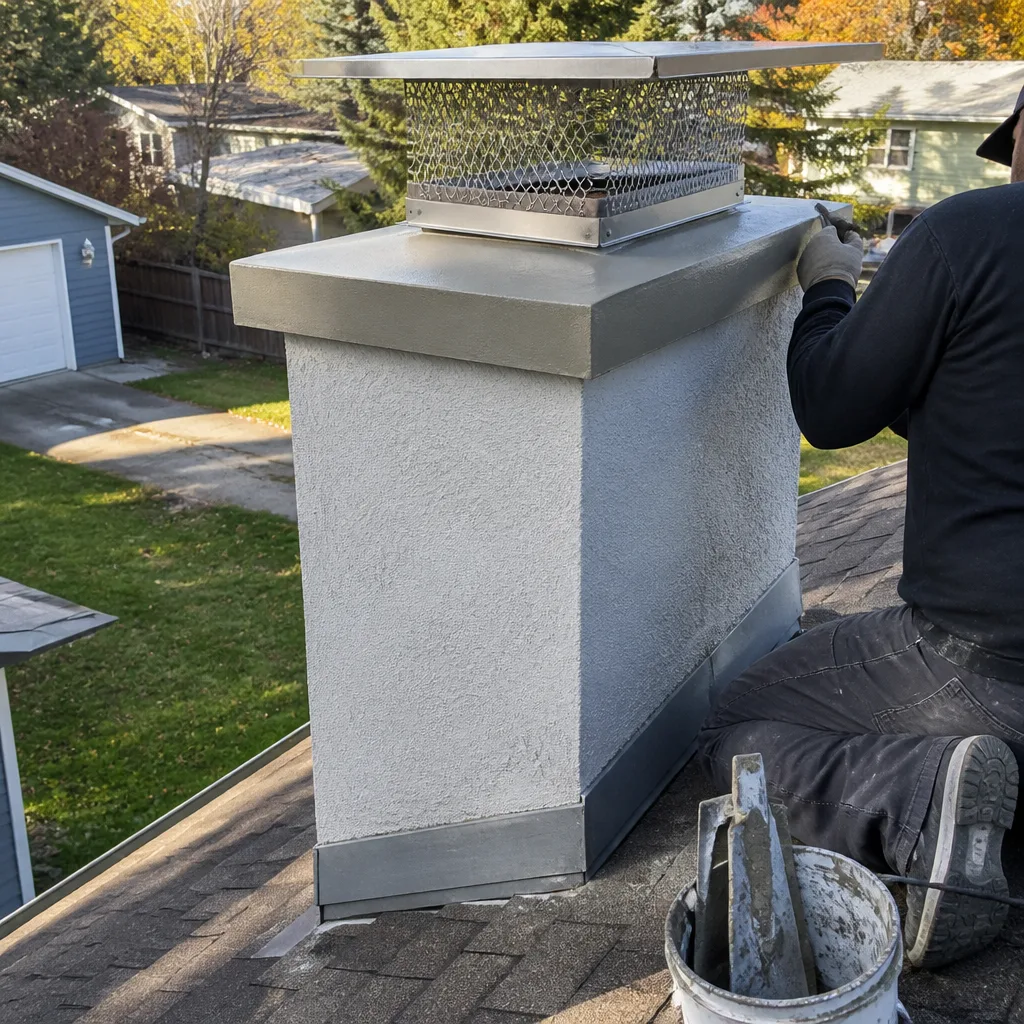
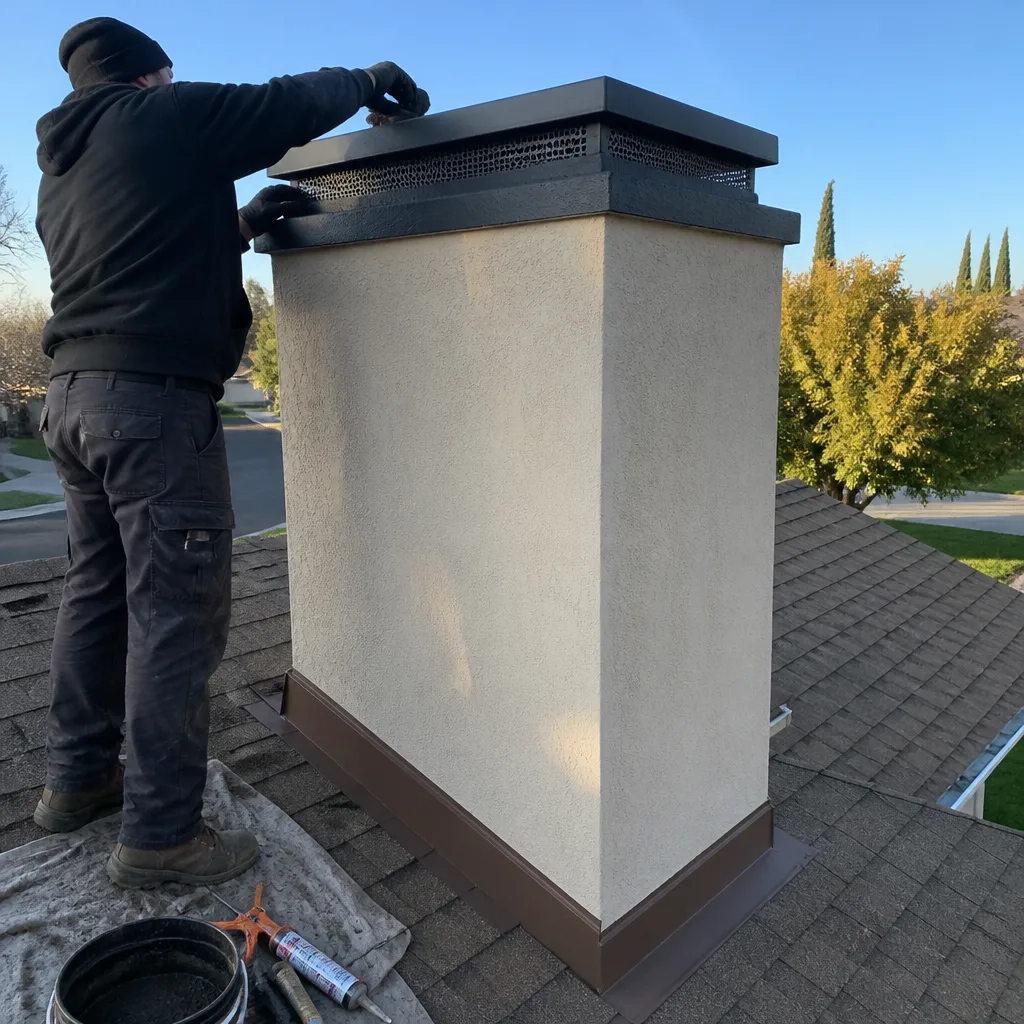 After
 Before
 After
 Before
 After