
Last updated November 2, 2026
 Sweep & inspection
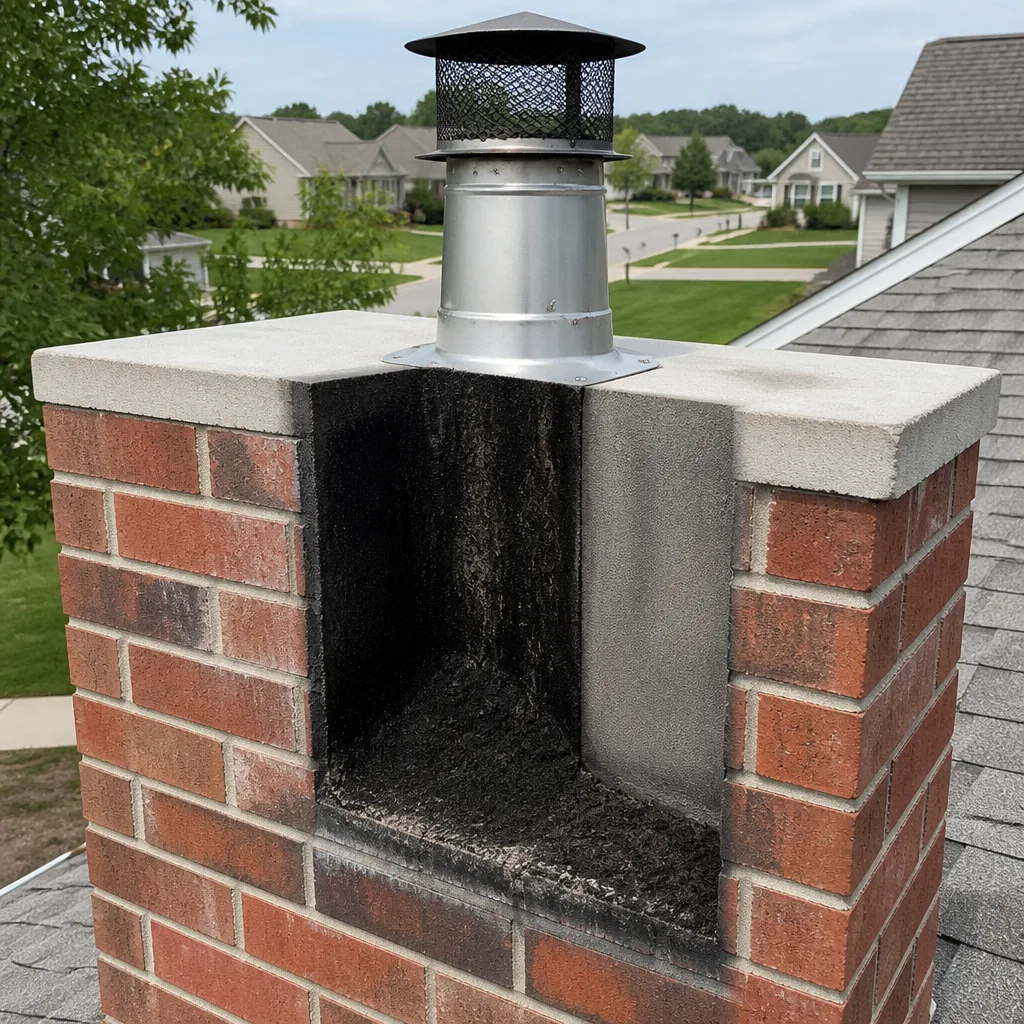
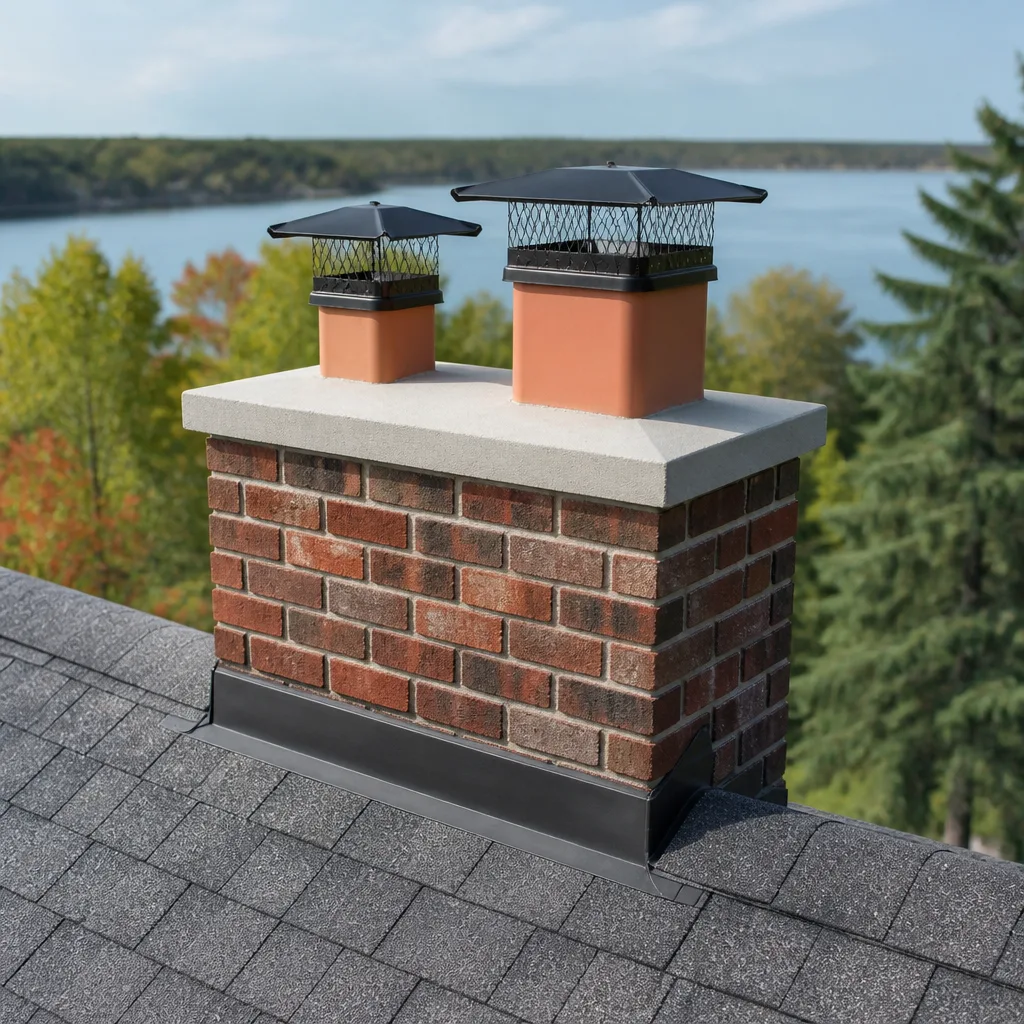 Caps & crowns
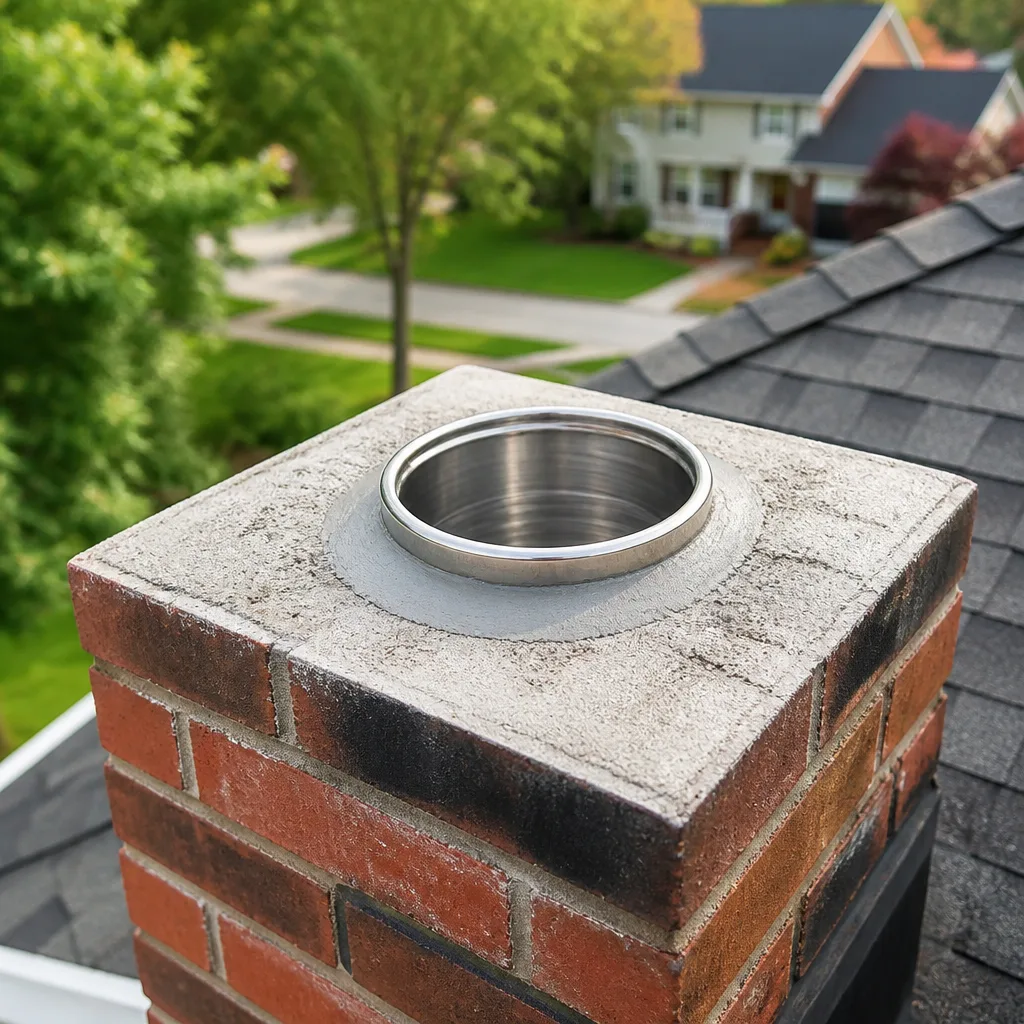 Flue relining
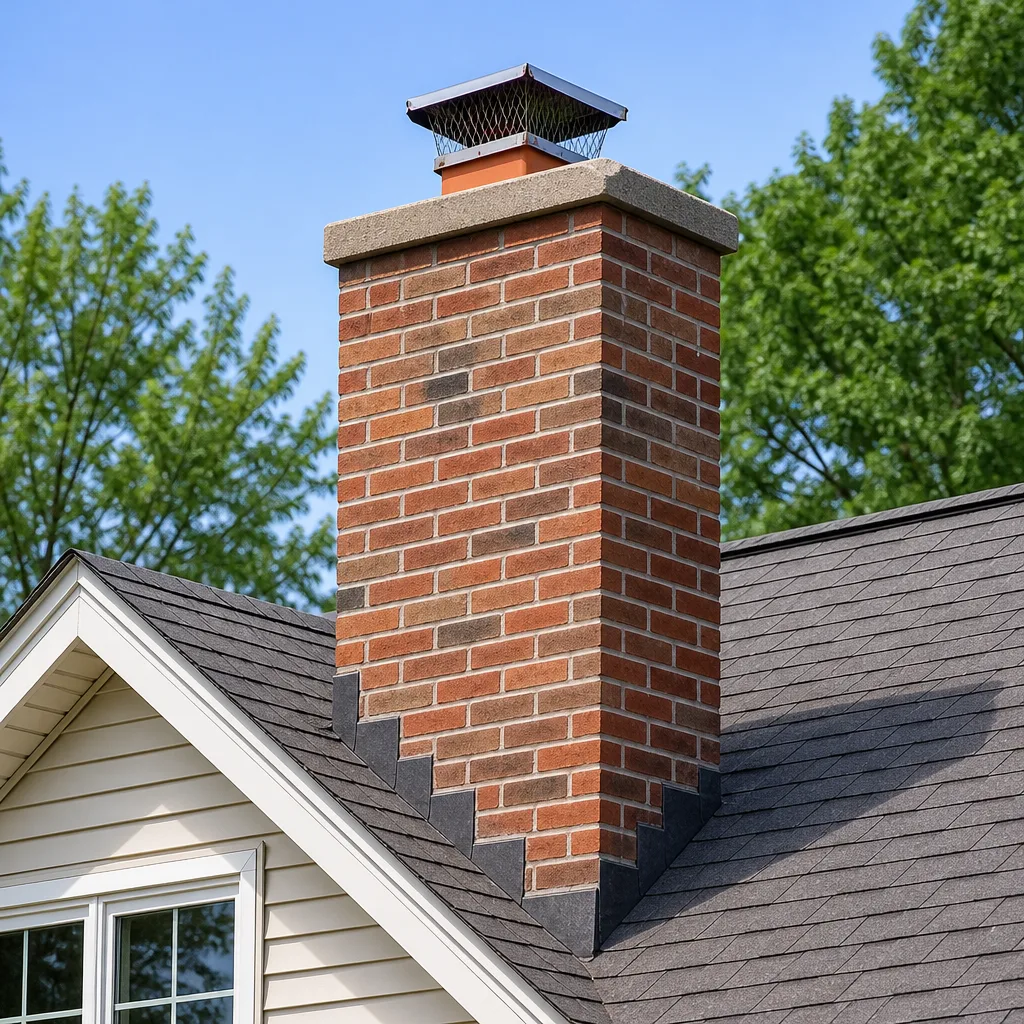 Masonry repair
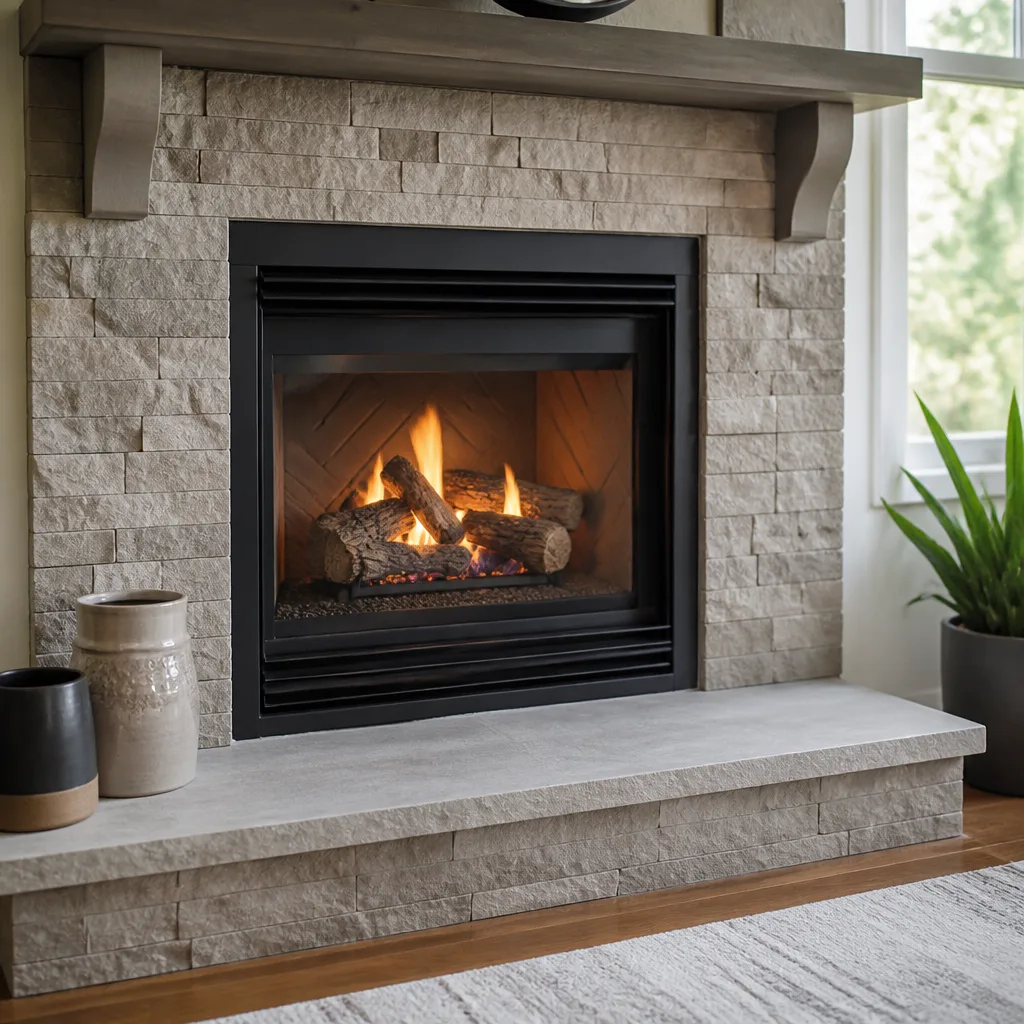 Gas fireplace service
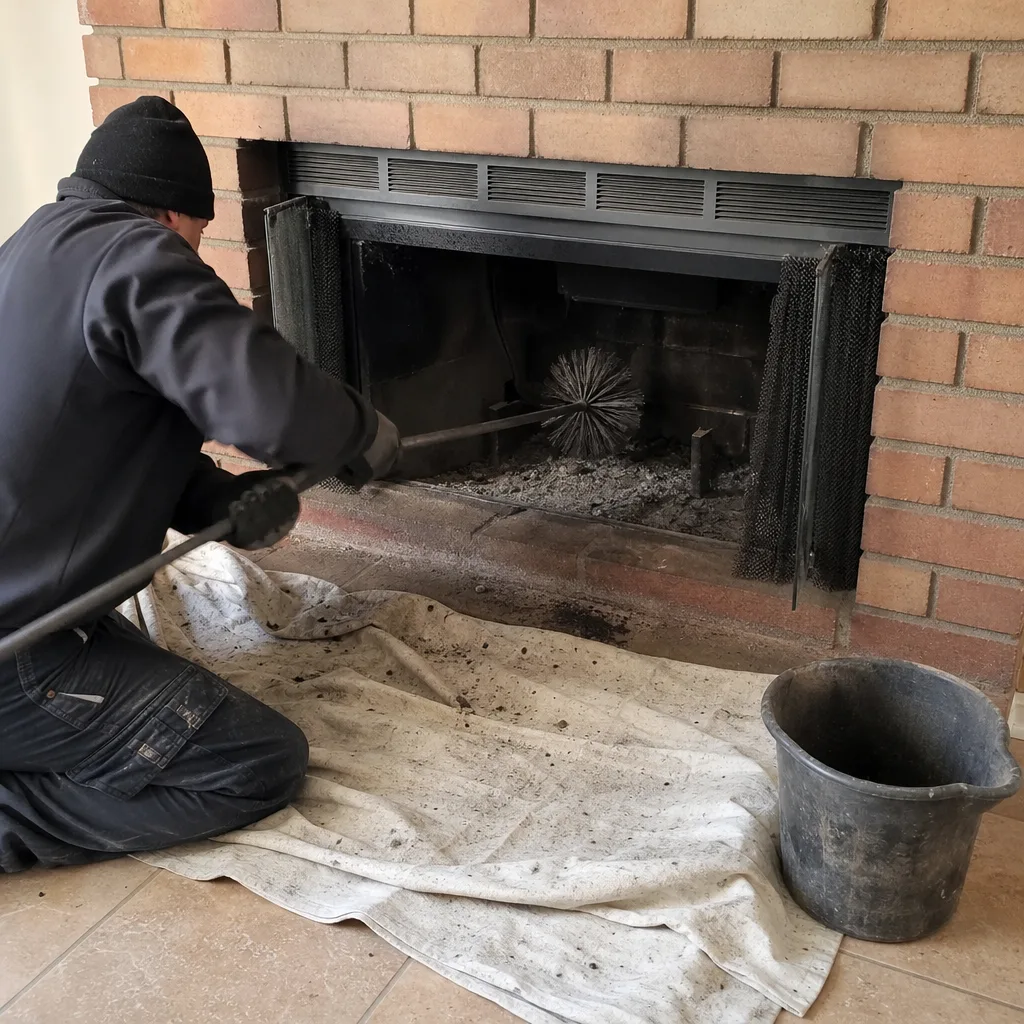
Level 1 sweep and inspection to the NFPA 211 annual standard - flue, crown, cap, and flashing checked and photographed
Chimney sweep logs do not sweep chimneys. They loosen some creosote - which then falls where a brush and vacuum still have to collect it.
DIY vs Professional Chimney Cleaning: The Rancho Cordova Homeowner’s Decision Guide
Here’s a number most homeowners never hear: the National Fire Protection Association reports that roughly one in four home heating fires involves a chimney or flue, and the leading cause is creosote buildup from wood burning. Rancho Cordova’s winter burn season, with its cold Sacramento Valley mornings and frequent temperature inversions, makes this more than a distant statistic. The question isn’t really whether your chimney needs maintenance. It’s which parts you should handle yourself, and which parts require a trained eye and professional-grade equipment. This guide draws that line clearly, honestly, and without the scare tactics you’ll find on most sweep websites.
Styles & brands we work with
- Sweep & inspection
- Caps & crowns
- Flue relining
- Masonry repair
- Gas fireplace service
Quick Answer
For most Rancho Cordova homeowners, the right answer is a hybrid: handle ash removal, glass cleaning, ground-level inspections, and damper checks yourself, but hire a professional for actual flue brushing, liner inspection, and any repair work. A professional sweep in the Rancho Cordova market typically costs $160 to $290 – see our Chimney Cleaning Cost Breakdown: The Rancho Cordova Homeowner’s Reference for 2026 for full details – and the equipment and time required to do the job safely yourself usually costs more than hiring a pro. The real value of DIY knowledge isn’t replacing the sweep, it’s knowing when your chimney needs one before a small problem becomes a wall repair.
Table of Contents
- What You Can Safely Do Yourself
- Why DIY Flue Brushing Fails in Rancho Cordova Homes
- The Hidden Cost of DIY: Renting, Vacuuming, and Disposal
- Insurance and Liability: What Sacramento-Area Carriers Actually Ask
- The One DIY Scenario That Genuinely Makes Sense
- How a Professional Sweep Actually Works
- Rancho Cordova-Specific Considerations
- Common Mistakes to Avoid
- When to Call a Professional
- Frequently Asked Questions
- The Bottom Line
What You Can Safely Do Yourself
Let’s start with what’s genuinely yours to handle. A lot of chimney maintenance doesn’t require a ladder, a brush, or any specialized training. These are the tasks we tell every Rancho Cordova homeowner to own, because they keep you connected to how your system is performing between professional visits.
Firebox ash removal. This is the most obvious one, and yes, it’s a real maintenance task, not just tidiness. Ash buildup reduces airflow to the fire, which creates cooler, smokier burns. Cooler burns produce more creosote. So clearing ash actually makes your chimney cleaner over time. Use a metal ash bucket with a tight-fitting lid, never a plastic bin or paper bag. Wait at least 24 hours after the last fire before removing ash. Even then, hot coals can survive for days buried in ash. Store the bucket outside on a non-combustible surface, away from fences or siding. This matters more in Rancho Cordova than in coastal California, because our dry summer air turns any stray ember into a serious ignition risk.
Glass door cleaning. A dirty firebox glass isn’t just an aesthetic problem. Heavy soot on the glass blocks radiant heat, making your fireplace less efficient. It also hides what’s happening inside the firebox, meaning you won’t notice cracks in firebrick or unusual flame patterns that signal airflow problems. Use a ceramic glass cleaner made for fireplace doors, not household glass cleaner, which can etch the surface. If you have persistent heavy sooting on the glass, that’s a sign of an airflow or burn-quality issue, not a cleaning problem. Note it and mention it at your next sweep.
Ground-level exterior inspection. You can, and should, look at your chimney from the ground. Walk outside with a pair of binoculars and look at the cap, the crown, and the visible masonry. You’re looking for three things: missing or damaged cap screens, cracks or spalling on the crown, and any visible gaps between the chimney and the roof flashing. If you see rust staining running down from the cap, or white efflorescence on brick, note it. You’re not diagnosing, you’re observing. This is the same first step our technicians take on every chimney sweep in Rancho Cordova, and it’s one homeowners can absolutely do themselves.
Damper operation checks. Every month during burn season, open the damper fully, then close it, then open it again. Listen for scraping, grinding, or anything that sounds loose. A damper that doesn’t seal properly lets conditioned air escape up the flue all year round. A damper that binds or sticks can leave you unable to close the flue after a fire, which pulls warm air out of your house all night. If your damper isn’t operating smoothly, address it before the next fire. If it’s warped, rusted, or the handle feels wrong, that’s a call to a chimney professional.
These four tasks, done consistently, give you a real baseline understanding of your chimney system. They also make you a better consumer when you do hire a professional, because you’ll be able to describe what you’ve observed specifically, rather than saying “it seems fine, I think.”
Why DIY Flue Brushing Fails in Rancho Cordova Homes
Here’s where the DIY conversation usually goes wrong. People read online that chimney sweeping is “just running a brush up and down,” which is technically what it looks like from the outside. What that description misses is everything that makes the difference between a clean flue and a flue that looks clean but isn’t.
Most Rancho Cordova homes built before 1990 have clay tile flue liners. When clay tile liners were installed, the tiles were stacked with mortar joints between them. Over decades of heating and cooling cycles, those mortar joints can develop gaps, and the tiles themselves can shift slightly. When you run a DIY brush up through a clay tile flue, several things can happen. First, the brush can catch on a displaced tile edge and chip it. Second, the brushing action can actually work creosote deeper into joint gaps rather than removing it, because you’re pushing against surfaces you can’t see. Third, if tiles have shifted, the brush can bind, and forcing it can crack the liner. Now you have a damaged flue liner that you can’t see, and creosote packed into crevices that a fire can reach but a brush can’t.
Brush sizing matters more than most homeowners realize. Professional sweeps carry multiple brush diameters and chose based on the flue’s actual interior dimensions, not its nominal size. Most box-store brush kits come in one or two generic sizes. An undersized brush leaves creosote on the flue walls. A brush that’s too tight can’t be pulled through without excessive force. Neither problem is visible from the firebox or the roof. You finish the job, look down the flue with a flashlight, see what looks like tile, and assume it’s clean. It isn’t.
Vacuum containment is the reality check most people miss. Professional chimney sweeping creates a lot of fine particulate. In a house, that particulate migrates anywhere HVAC airflow takes it. Professional sweeps use negative-air machines and HEPA-filtered vacuums that capture the dust at the source. A standard wet-dry vac, even with a “fine dust” bag, will exhaust a cloud of micro-particulate into the room. That’s what you’re breathing for the next several hours. We’ve walked into homes in the Anatolia and Sunridge neighborhoods where a previous DIY sweep attempt left a fine layer of soot dust on every horizontal surface. The homeowner spent two full days cleaning up after a job that was supposed to save them money.
The blunt version is this: you can’t see what you’re cleaning, you can’t verify the result, and you can’t contain the mess with consumer equipment. That’s not a judgment on your handiness. It’s a statement about what happens inside a flue versus what’s observable from either end.
The Hidden Cost of DIY: Renting, Vacuuming, and Disposal
The financial argument for DIY chimney cleaning usually goes like this: “A sweep costs $200 and the brush kit is $40.” That math ignores three costs that almost no one budgets for.
Rental and equipment costs. To do even a minimally adequate job, you need more than a brush. You need extension rods long enough to reach the full flue height, which for a typical two-story Rancho Cordova home is 20 to 25 feet. You need a brush sized to your actual flue. You need a HEPA vacuum or negative-air setup if you’re doing it indoors, which requires access to the roof or a bottom-up method that creates its own containment challenges. You need drop cloths, personal protective equipment including a P100 respirator, and ideally a second person to manage rods and containment while you’re on the roof. Renting a HEPA vacuum alone runs $40 to $60 per day. The brush and rod kit, if you buy rather than rent, is $60 to $150 for the cheap imported versions that break at the rod joints under torque. By the time you’ve assembled everything, you’re at $120 to $200, and you still haven’t accounted for your time.
Time cost. A professional crew of two sweeps a typical Rancho Cordova chimney in 60 to 90 minutes. For a homeowner doing it for the first time, plan on four to six hours, including setup, roof access, the sweep itself, cleanup, and putting everything away. If you value your time at anything above minimum wage, the math stops working immediately. That’s before we account for the second visit you’ll make to the hardware store when you realize your brush is the wrong size or your rods don’t connect properly.
Disposal cost. Creosote is classified as a hazardous material in California. You can’t put it in your household trash, and you can’t wash it down a drain. It requires disposal through a household hazardous waste collection program, which for Sacramento County residents means scheduling a drop-off appointment or waiting for a collection event. The creosote you remove from a flue, even a moderately used one, is concentrated, sticky, and carcinogenic. Most DIYers end up bagging it in contractor bags and either storing it in their garage indefinitely or disposing of it improperly. Professional sweeps handle disposal as part of the job. The disposal cost is built into the sweep price, and it’s done in compliance with California’s hazardous waste rules.
When you actually price out a DIY chimney sweep, here’s what it looks like in the Rancho Cordova market:
- Basic brush and rod kit (entry-level): $60 – $140
- HEPA vacuum rental (one day): $40 – $60
- PPE including P100 respirator and gloves: $30 – $50
- Drop cloths and plastic sheeting: $15 – $25
- Disposal costs and time: $20 – $40 equivalent
- Total: $165 – $315, plus 4 – 6 hours of labor
- Professional sweep in Rancho Cordova: $160 – $290, done in under 2 hours
The professional option isn’t just safer. For most homeowners, it’s cheaper by the time you account for everything.
Insurance and Liability: What Sacramento-Area Carriers Actually Ask
Most homeowners never think about their insurance carrier until after something goes wrong, and by then the conversation is about claims and coverage limits, not prevention. The reality of Sacramento-area homeowner’s insurance is more nuanced than the internet’s version of “DIY chimney cleaning voids your policy,” which is not accurate.
What’s true is this: almost every California homeowner’s insurance policy requires the homeowner to maintain the property in a condition that prevents foreseeable loss. A chimney fire that starts because the flue was never cleaned is a preventable loss. If your insurer asks for maintenance records and you can’t provide them, you can expect a denied claim or a contested settlement. If you did the cleaning yourself, you have no third-party documentation that the work was done correctly. You have your own word, which in a claims dispute carries about as much weight as you’d expect when a six-figure structure claim is on the table.
We’ve heard from Rancho Cordova homeowners in the Capital Village and Lincoln Village areas who had chimney fires, and the claims process consistently comes down to documentation. Insurers want to see that a licensed professional performed the work, on a date, with a description of what was found and what was done. A receipt from a hardware store for a brush kit isn’t documentation of maintenance. It’s documentation that you bought a brush.
The liability layer cuts the other direction too. If you’re sweeping your own chimney and you damage the flue liner, you now have a compromised venting system that you can’t see. If you then have a chimney fire or a carbon monoxide incident, your insurance company will investigate the sequence of events. A homeowner who ran a brush up a clay tile flue without the training to inspect for damage afterward is in a weak position, and the adjuster will see it.
This isn’t a scare tactic. It’s how claims actually work in California. The professional option exists precisely because this work benefits from documentation, accountability, and third-party verification. That’s not insurance-industry red tape. It’s just how things are.
The One DIY Scenario That Genuinely Makes Sense
So far we’ve made the case that DIY flue brushing is a bad idea, and DIY maintenance tasks are a good idea. There’s a third category: the seasonal visual inspection, which the Chimney Safety Institute of America publishes as a formal homeowner protocol. For a deeper look at timing your maintenance around local conditions, see our Seasonal Chimney Cleaning Care for Rancho Cordova: Year-Round Homeowner’s Guide. It’s designed for exactly the kind of Rancho Cordova homeowner who wants to stay ahead of problems without turning chimney maintenance into a hobby.
The CSIA homeowner inspection protocol takes about ten minutes, requires no ladders, and should be done at least once per season, ideally before the first fire of fall. Here’s the adapted version we recommend for Sacramento Valley conditions:
- Check the firebox. With a flashlight, look at the firebrick walls and floor. Note any missing bricks, cracks wider than a credit card, or gaps where the firebox meets the floor. Shine the light up the flue and look for any obvious obstruction, animal nesting, or heavy creosote accumulation visible from below.
- Check the damper. Open and close it fully. Listen for scraping. Look at the metal plate for rust or warping. If it doesn’t seal against the frame, you’re losing house air up the flue.
- Check the exterior from the ground. Walk around the house and look at the chimney from every visible angle. Look at the cap, the crown, the flashing, and the masonry. Rust stains from the cap down indicate a deteriorating cap or screen. White powdery deposits on brick indicate water intrusion into the masonry.
- Check for water intrusion signs inside. Look at the ceiling and walls around the chimney chase for staining or discoloration. If your chimney is on an interior wall, check the attic for water marks around the flue penetration.
- Note everything. Write down what you see, with dates. This record is genuinely useful when you talk to a professional, and it’s documentation that you’re maintaining the system, which matters in the insurance context discussed above.
This protocol is the one place where DIY inspection genuinely substitutes for a professional eye, but only as a monitoring tool between sweeps, not as a replacement for the annual sweep itself. The inspection catches visible problems. It doesn’t catch hairline cracks in a clay tile liner, mortar joint deterioration you can’t see, or creosote accumulation in the upper third of the flue where most chimney fires actually start.
How a Professional Sweep Actually Works
It helps to understand what you’re paying for when you hire a professional, because the difference between a proper sweep and a brush-on-a-rod operation explains most of the price spread in the Rancho Cordova market.
A proper sweep starts with a visual inspection, which we’ve already touched on. The technician looks at the firebox, the damper, the smoke chamber, the flue, and the exterior system before any brushing happens. At Bedrock Chimney Sweep home, this inspection is part of the sweep, not an upsell. It determines what we’re dealing with before we start moving equipment.
Then comes the sweep itself. The technician sets up containment, either at the firebox opening or the roof, depending on the system. The brush is sized to the actual flue dimensions, and the sweep method matches the liner type. Clay tile liners get treated differently than stainless steel liners, which get treated differently than cast-in-place liners. Most Rancho Cordova homes have clay tile, so that’s the most common profile we work with. The sweep is mechanical, not chemical. Brushing removes creosote physically, which is the only method that actually works. Chemical cleaning logs don’t remove creosote, they alter its chemical composition, which we’ll get into.
After sweeping, the technician vacuums the firebox and smoke chamber, removes all debris, and does a final visual check to confirm the flue is clean. You should receive a report describing what was found, what was done, and anything that needs attention. That report is your maintenance documentation for insurance purposes. It’s also how you know whether the job was done correctly, because “we swept it” without any detail is not a professional sweep, it’s a drive-by.
If the sweep uncovers liner damage, joint gaps, or a deteriorating flue interior, a qualified chimney company can address it. We install and service DuraFlex stainless steel liner systems and are authorized to apply HeatShield ceramic flue resurfacing, which is a restoration method that doesn’t require full reliner replacement. A sweep-only operation can’t do either of those things. They can clean a flue and tell you it’s damaged, but they’ll hand you a referral card for the repair. That’s the difference between a sweeping service and a chimney repair specialist in Rancho Cordova that handles the full system under one roof. The right repair, not the easy one, means the repair that addresses what’s actually wrong rather than the one that’s easiest to sell.
Rancho Cordova-Specific Considerations
Every market has its own chimney profile, and Rancho Cordova’s is shaped by two things: housing stock and burn season behavior. Both affect what homeowners should expect from DIY maintenance and professional service.
Housing stock and liner types. Rancho Cordova grew in distinct phases. The 1960s and 1970s subdivisions around Lincoln Village and Cordova Meadows feature masonry chimneys with clay tile liners, most of which are now 50 to 60 years old. The 1980s and 1990s tracts around Anatolia and Sunridge Park include a mix of true masonry and factory-built chimney systems with metal flue liners. The newer developments since 2000 primarily use factory-built systems or direct-vent gas appliances. Each profile requires a different approach. Clay tile systems need careful brushing with sized brushes and close attention to joint integrity. Factory-built systems can’t be brushed with standard tile brushes at all, they require manufacturer-specific methods and components. If you’re going to attempt any DIY work, knowing your system type matters more than any generic online advice you’ll find.
Burn season and creosote accumulation. Rancho Cordova’s winter burn season typically runs November through February, sometimes extending into March during cold snaps. November’s first fires are when most chimney fires happen in this area, because homeowners light up without having the flue inspected after a long off-season. Creosote doesn’t just accumulate during winter. Summer humidity, which in Sacramento Valley means low but variable moisture levels, affects creosote condition too. Third-degree creosote, which is the hard, shiny, glaze-like form that’s most dangerous, builds up when flue temperatures run low, which happens with thermostatically controlled wood stoves and EPA-approved low-burn appliances. Rancho Cordova’s air quality restrictions, which are among the strictest in the state, have pushed many homeowners toward these low-burn appliances, which produce a different creosote profile than old open fireplaces. A visual inspection from the firebox can’t tell you what’s in the upper flue.
Air quality compliance. Sacramento County has mandatory burn restrictions on Spare the Air days, and Rancho Cordova falls under the same regional air quality district as the rest of the county. Burning on a no-burn day is a violation, not a suggestion. More relevant to this guide: burning improperly seasoned wood or burning at low temperatures produces more creosote and more particulate. If you’re burning every available day, your flue needs more frequent attention than someone who burns occasionally. The DIY-maintainable tasks we listed earlier, ash removal especially, matter more for frequent burners because ash accumulation directly affects burn quality.
Dryer vents, because they’re part of the same story. Most chimney companies don’t touch dryer vents. But the physics of a clogged dryer vent and a clogged chimney are identical: restricted airflow, heat accumulation, combustible material near a heat source. We treat dryer vent cleaning in Rancho Cordova as core service for exactly this reason. The same DIY logic applies: you can clean the lint trap and the first few inches of vent yourself, but the full Vent run requires a rotary brush and professional containment. The value of one trade handling your entire venting system, chimney plus dryer vent, is that you get a complete picture of your home’s exhaust paths rather than two disconnected services from two companies pulling in different directions.
Common Mistakes to Avoid
- Using a creosote-reducing log as a replacement for sweeping. Chemical chimney cleaning logs alter creosote’s composition, which can make some of it easier to brush off during the next professional sweep. They don’t remove creosote. If you use one and think your flue is clean, you’re driving on a tire that looks fine from the outside.
- Running a brush from the bottom up without containment. Bottom-up sweeping is a legitimate professional method, but it requires a specialized setup. DIY bottom-up attempts, with the damper open and a tarp draped over the firebox, still release fine particulate into the house. The mess isn’t the main issue. The health hazard is.
- Ignoring the smoke chamber. The smoke chamber, the inverted funnel area above the firebox where smoke transitions into the flue, collects creosote just like the flue itself. Most DIY brushes never touch it. It’s one of the most common places chimney fires start, because creosote builds up on the chamber’s stepped walls and ignites in the heat path of the exhaust.
- Assuming a gas fireplace doesn’t need attention. Gas fireplaces and gas log sets still need annual inspection. Ventless gas logs generate combustion byproducts that coat the firebox and logs. Vented gas systems can have blocked flues from animal nesting or debris. “It’s just gas” is how carbon monoxide problems start.
- Buying a house in Rancho Cordova and assuming the chimney was swept. Home inspectors typically do a visual Level 1 chimney check, which is not a sweep and not a detailed inspection. If you bought a home and didn’t get a dedicated chimney inspection, you don’t know what’s in the flue. First fire of winter shouldn’t be the moment you find out.
- Thinking a chimney fire that self-extinguishes means you’re fine. Chimney fires often burn hot and fast and then go out on their own, especially with modern low-oxygen flues. The damage remains: cracked liners, damaged mortar, separated flue sections. If you think you had a chimney fire, even a small one, the flue needs professional inspection before the next burn, no exceptions.
- Cleaning creosote without proper disposal plans. We covered this in the cost section, but it bears repeating: creosote is hazardous material in California. Putting it in household trash is illegal and creates exposure risk for sanitation workers. Plan for disposal before you start, not after you’ve generated the waste.
When to Call a Professional
You should call a chimney professional when you see any of the following: smoke entering the living space during a fire, visible creosote accumulation more than 1/8 inch thick anywhere you can see, a burning smell coming from the fireplace when it’s not in use, water staining on ceilings or walls around the chimney, rust stains on the cap or firebox, or a damper that won’t open or close properly. Not sure how to evaluate a sweep? Our How to Hire a Chimney Cleaning Contractor in Rancho Cordova: A Step-by-Step Guide walks you through it. You should also call before the first fire of the season if you haven’t had the flue inspected in the past 12 months. And you should absolutely call after any chimney fire, even a small one. Bedrock Chimney Sweep offers free estimates in Rancho Cordova, call (877) 752-8010.
Frequently Asked Questions
Most wood-burning chimneys in Rancho Cordova should be swept once per year, or after every cord of wood burned, whichever comes first. Homes that burn daily during the winter season, or that use EPA-certified low-burn stoves which produce more creosote per cord, may need sweeping twice per season. Gas systems need annual inspection but less frequent cleaning. Call (877) 752-8010 and we’ll help you figure out what your specific system needs, estimates are free.
A standard chimney sweep in Rancho Cordova typically costs between $160 and $290, depending on system type, flue condition, and accessibility. A sweep combined with a Level 2 inspection, which includes video scanning, runs higher. The DIY alternative, once you account for equipment, time, and disposal, typically costs about the same. Call (877) 752-8010 for an exact quote, estimates are free, or explore more guides & resources on chimney care.
Creosote-reducing logs do what their name says: they alter creosote’s chemical structure, which can make the creosote easier to remove during a professional sweep. They don’t eliminate creosote, and they don’t clean your flue. Using them is fine as a supplement to regular professional cleaning, but treating them as a replacement is a mistake that leaves you with a flue full of altered but still-combustible creosote.
Yes. The CSIA homeowner inspection protocol, which we described earlier in this guide, is designed for exactly that. You can inspect the firebox, damper, and exterior from ground level with binoculars. Ground-level inspection catches visible problems like missing caps, cracked crowns, and water staining. It does not catch liner damage or creosote accumulation in the upper flue, which is why the annual professional inspection matters.
You need a professional assessment to know the answer, and you should seek one that can show you what they’re seeing. We show you what we find, with camera inspection and photo documentation, so you can see the liner condition yourself before deciding. In many cases, HeatShield ceramic resurfacing can restore a damaged clay tile liner without full replacement, at significant savings. In other cases, a DuraFlex stainless steel reliner is the right call. The right repair, not the easy one, means the decision follows from evidence you can see. Call (877) 752-8010 to schedule a camera inspection.
No. Routine chimney sweeping is considered maintenance, not a covered loss, and California homeowner’s insurance policies uniformly exclude maintenance costs. What insurance does cover is damage from sudden events like chimney fires, but only if the homeowner can demonstrate that reasonable maintenance was performed. Professional sweep records are how you document that. A DIY sweep leaves you without third-party documentation, which can complicate a claim. The sweep itself costs less than an insurance deductible.
The Bottom Line
DIY chimney maintenance and professional chimney service aren’t competing answers. They’re complementary parts of the same system. You own the daily and monthly tasks: ash removal, glass cleaning, damper checks, ground-level inspection. You hire the annual and event-driven work: flue sweeping, liner inspection, repair, and anything that requires roof access or specialized equipment. The homeowners who do best are the ones who understand both sides of that boundary. They don’t outsource what they can handle, and they don’t attempt what they can’t see or safely reach. They document everything, they call before the first fire of the season, and they treat their chimney as a system, not a hole in the roof that occasionally needs a brush run through it. That’s the entire guide, honestly: know your side of the line, and call when you hit it.
Written by the team at Bedrock Chimney Sweep, serving Rancho Cordova since 2014.
See the difference
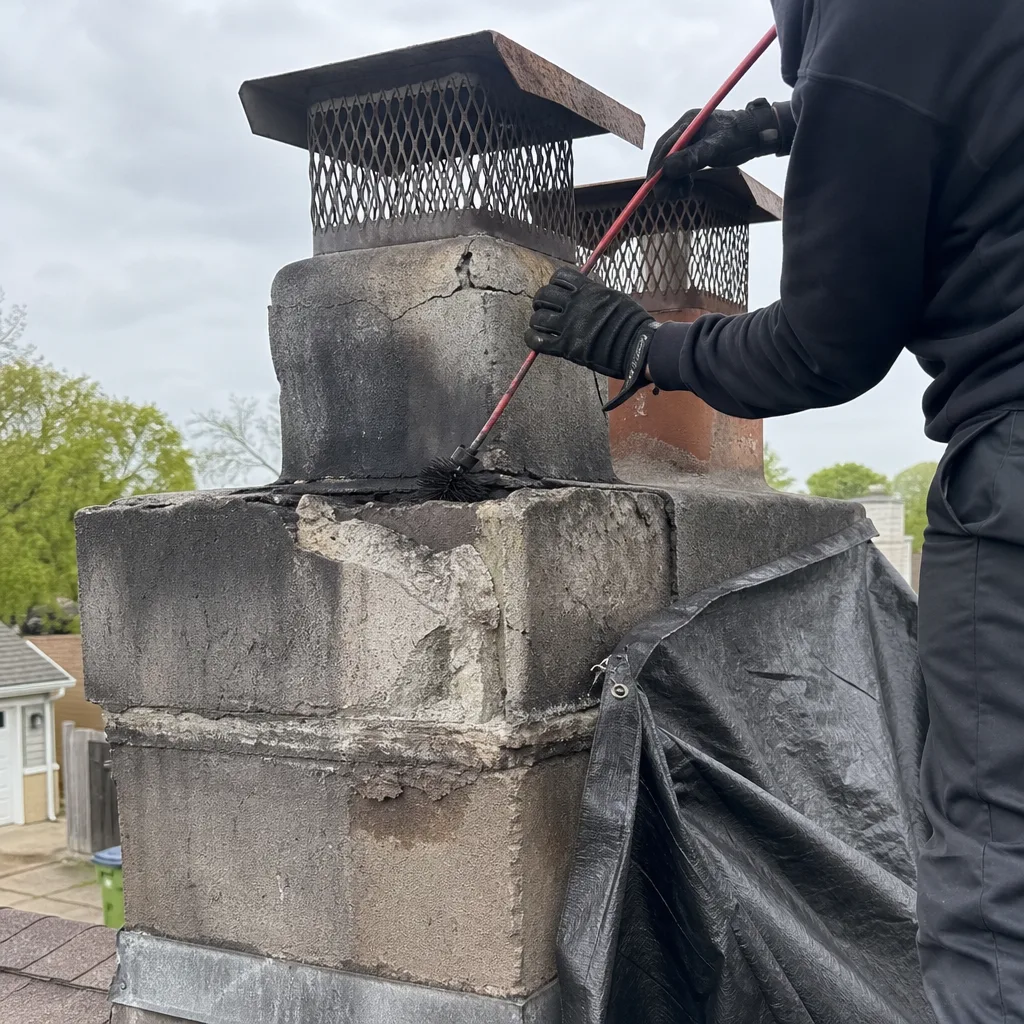 Before
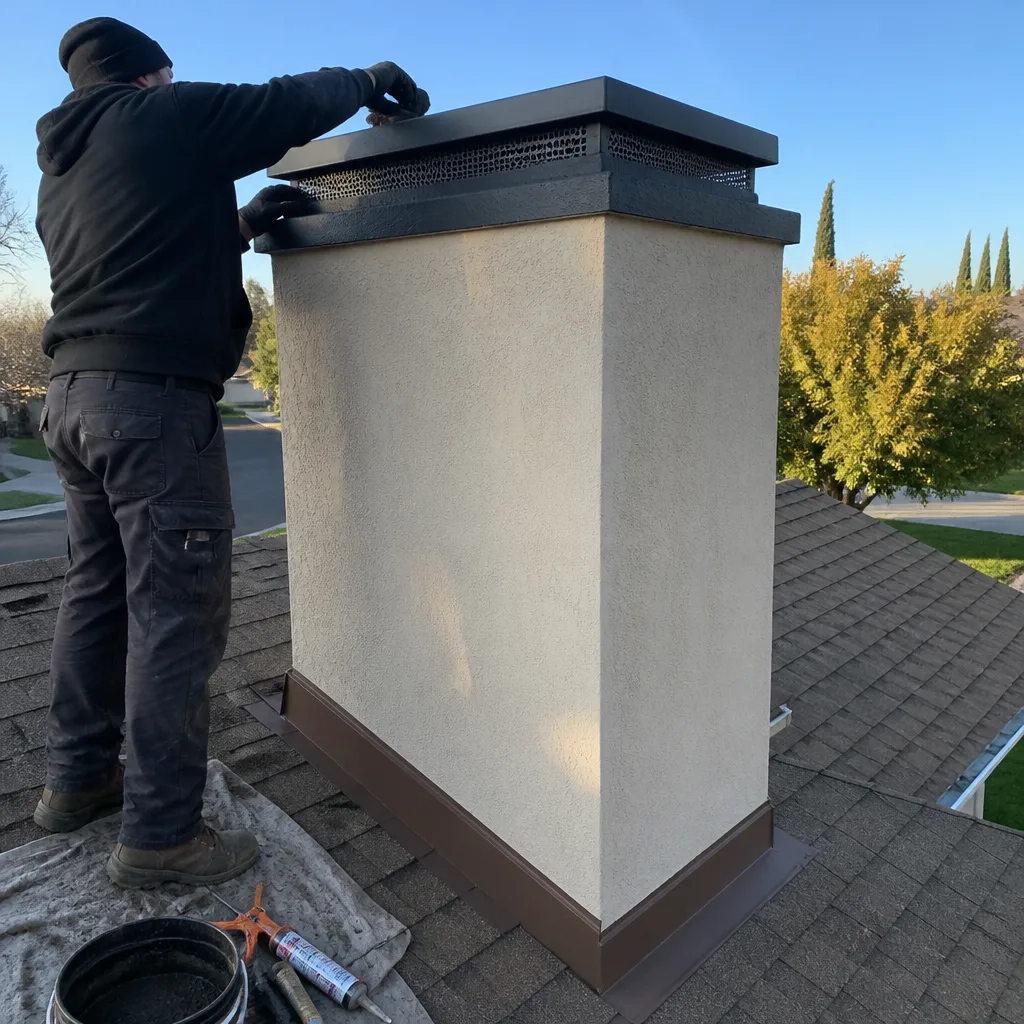 After
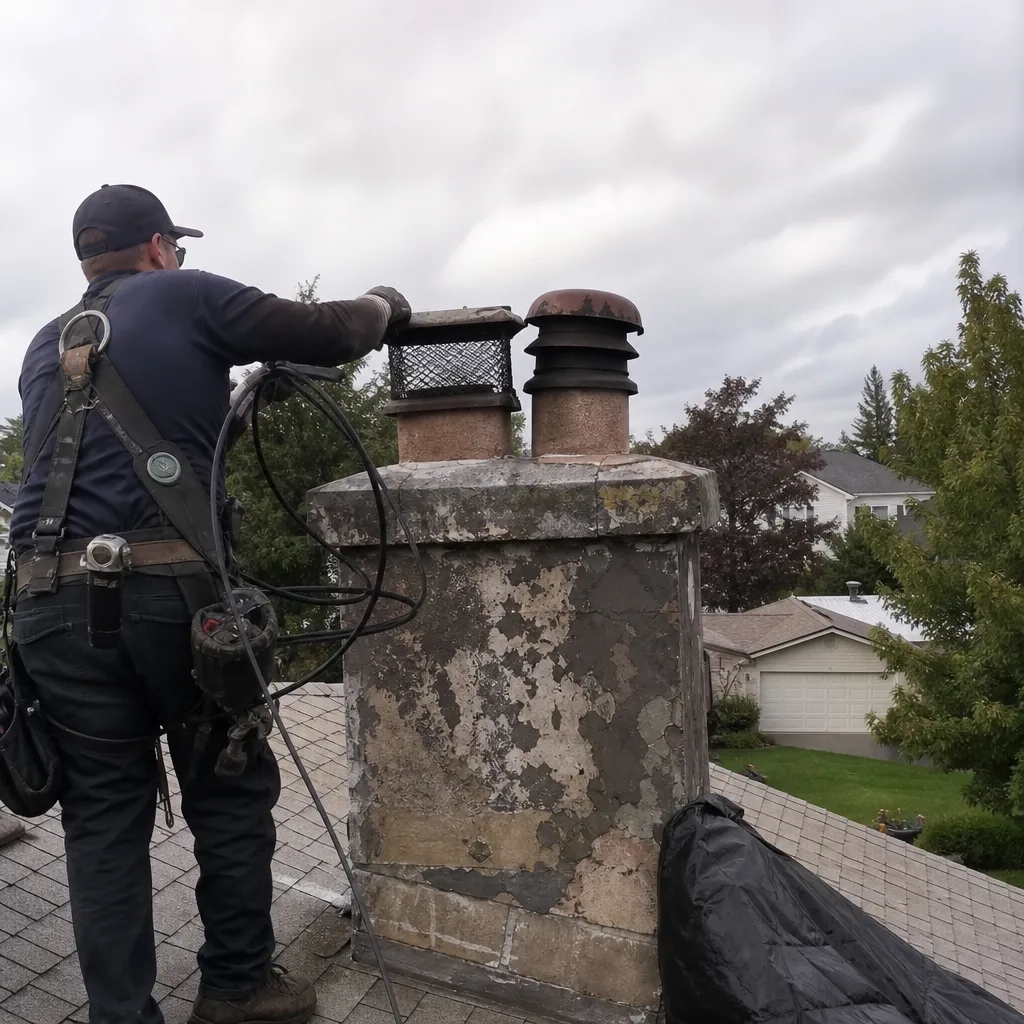 Before
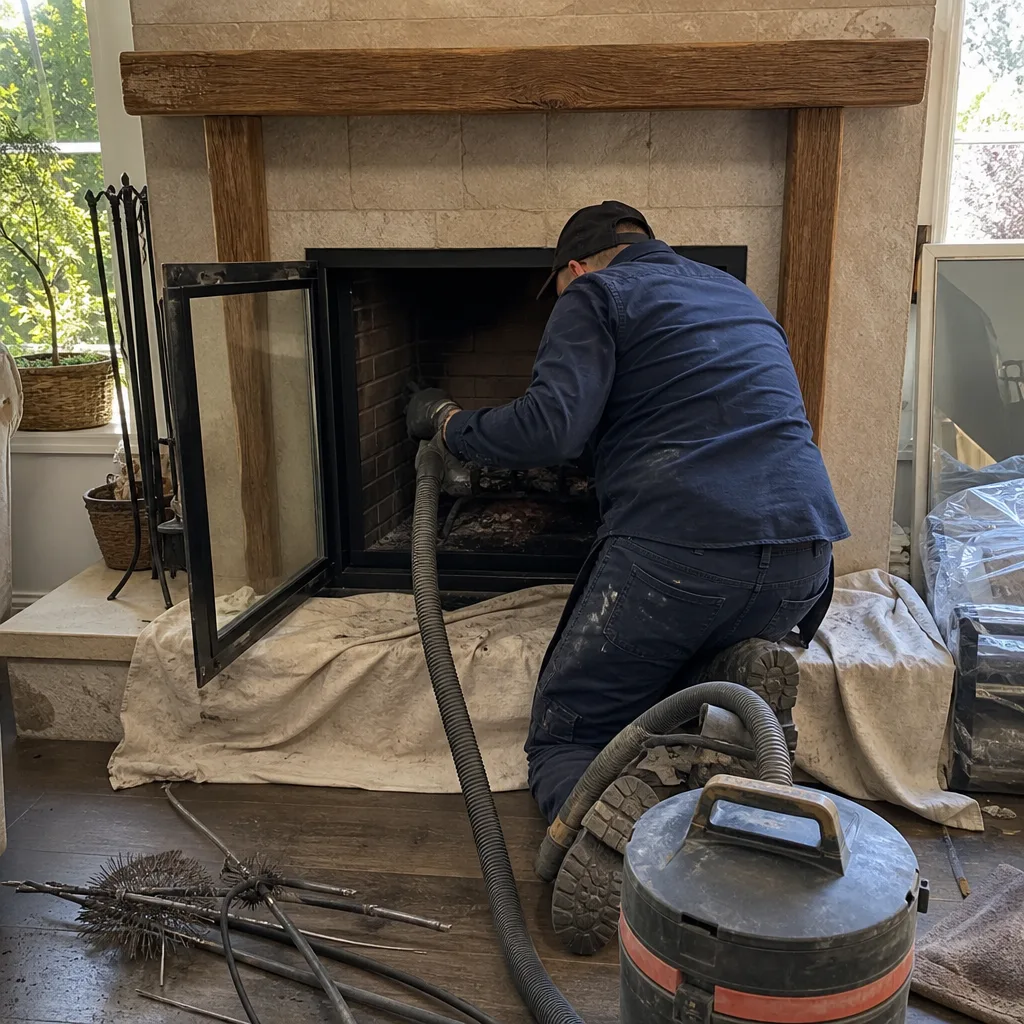 After
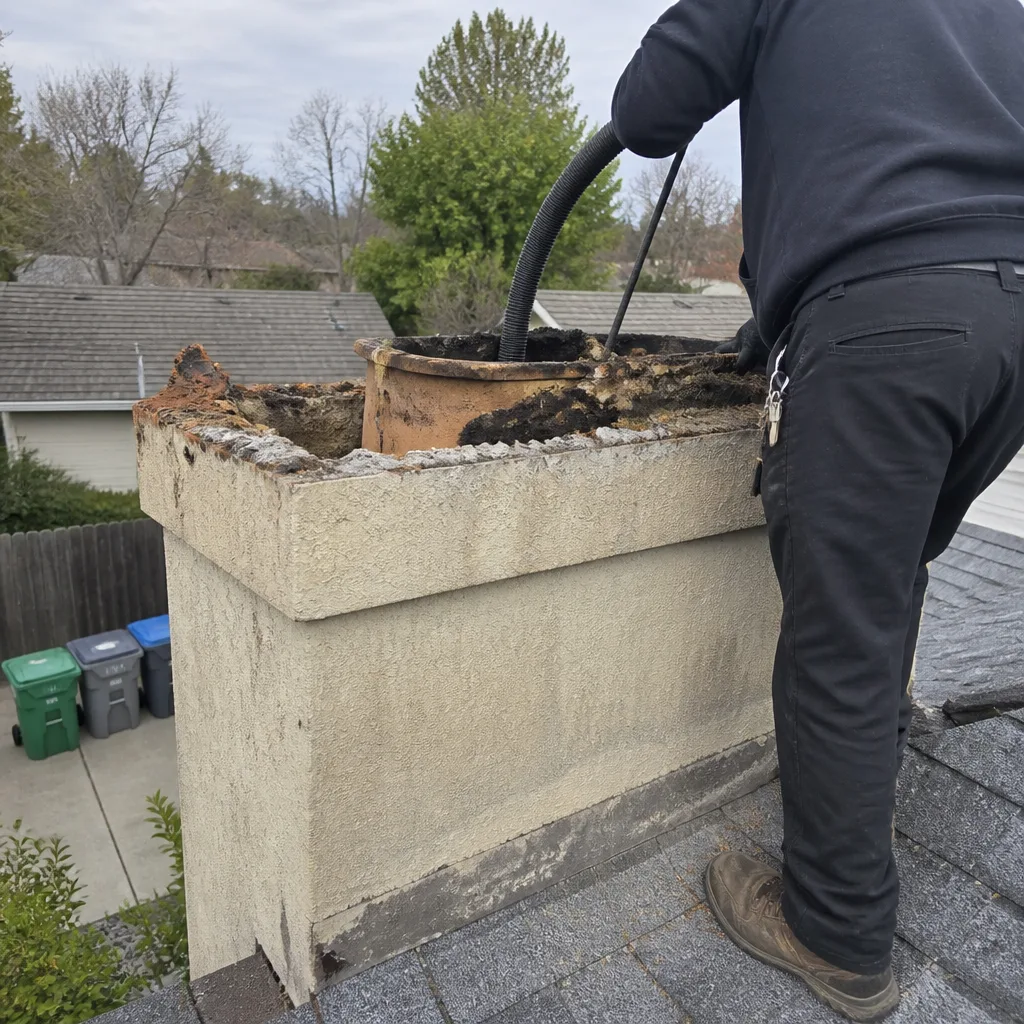 Before
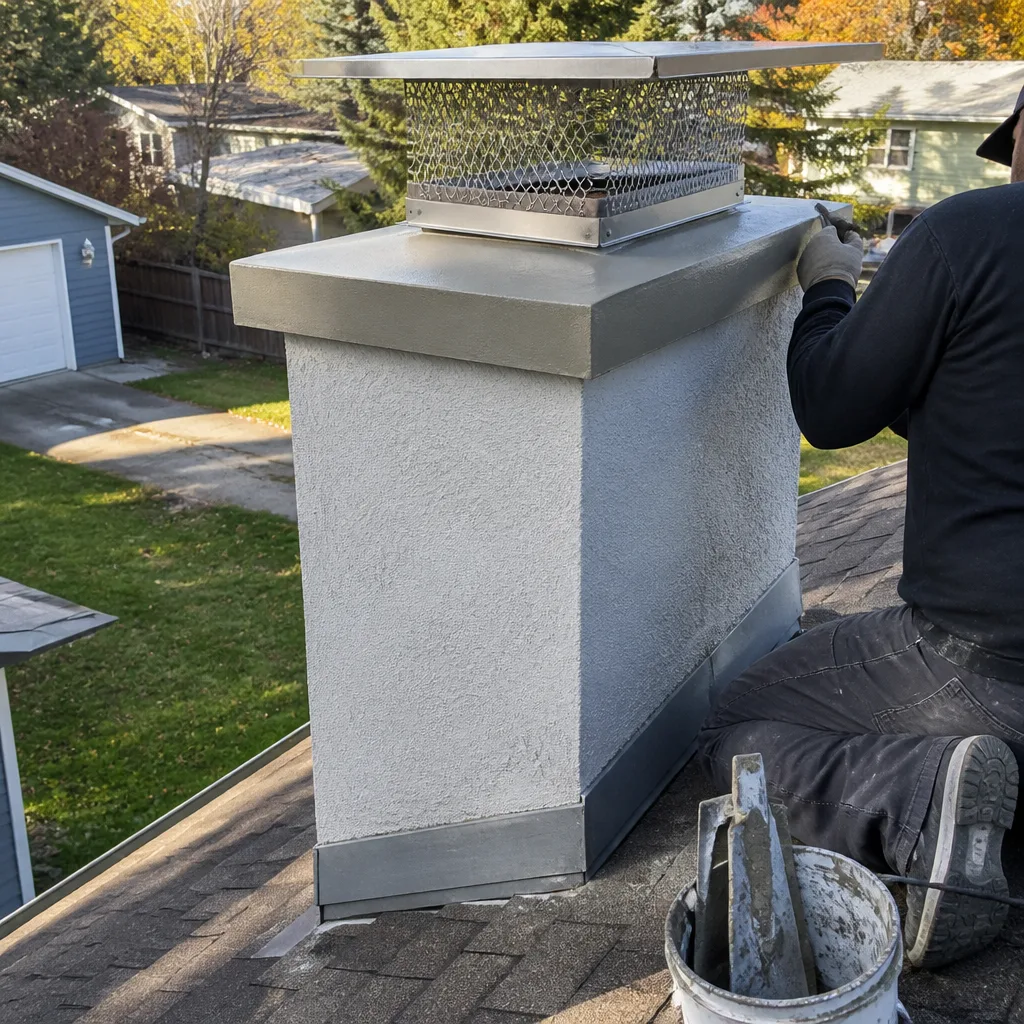 After