Last updated November 2, 2026
 Sweep & inspection
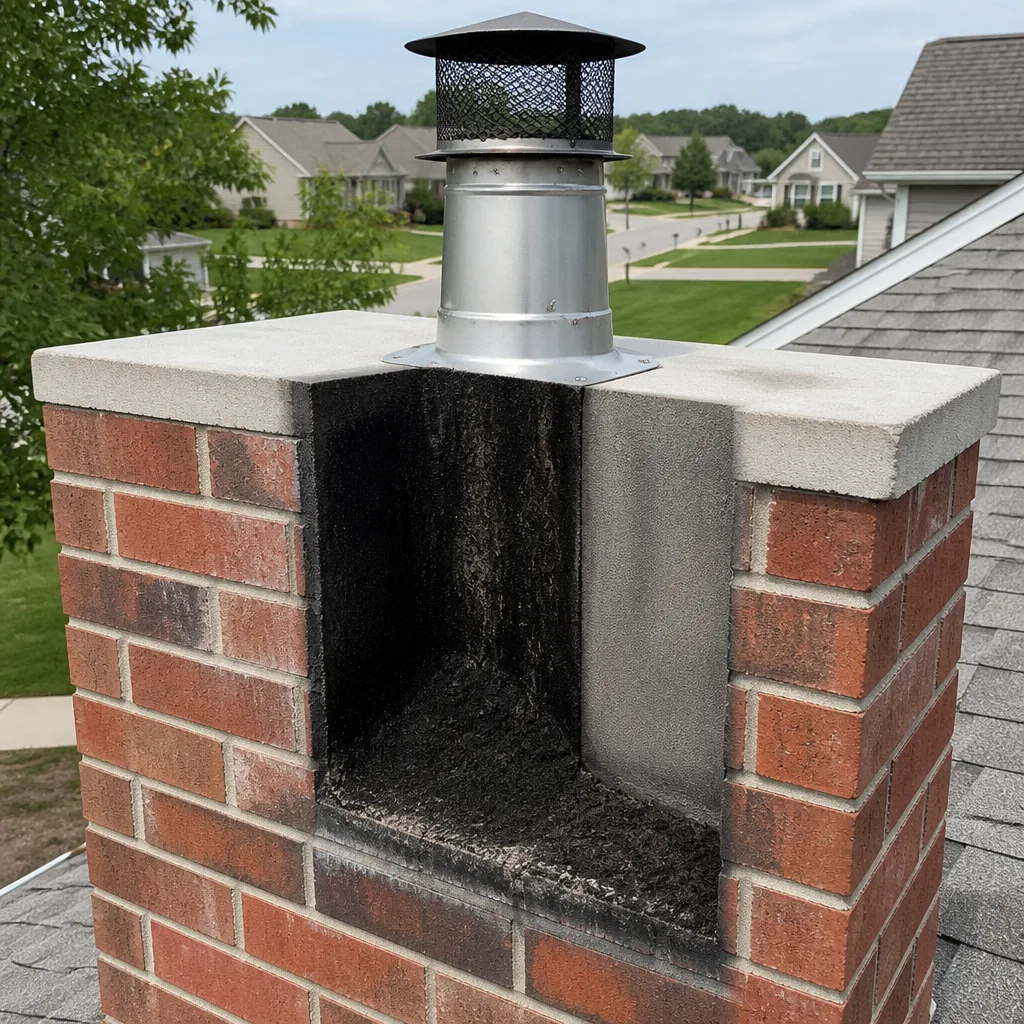
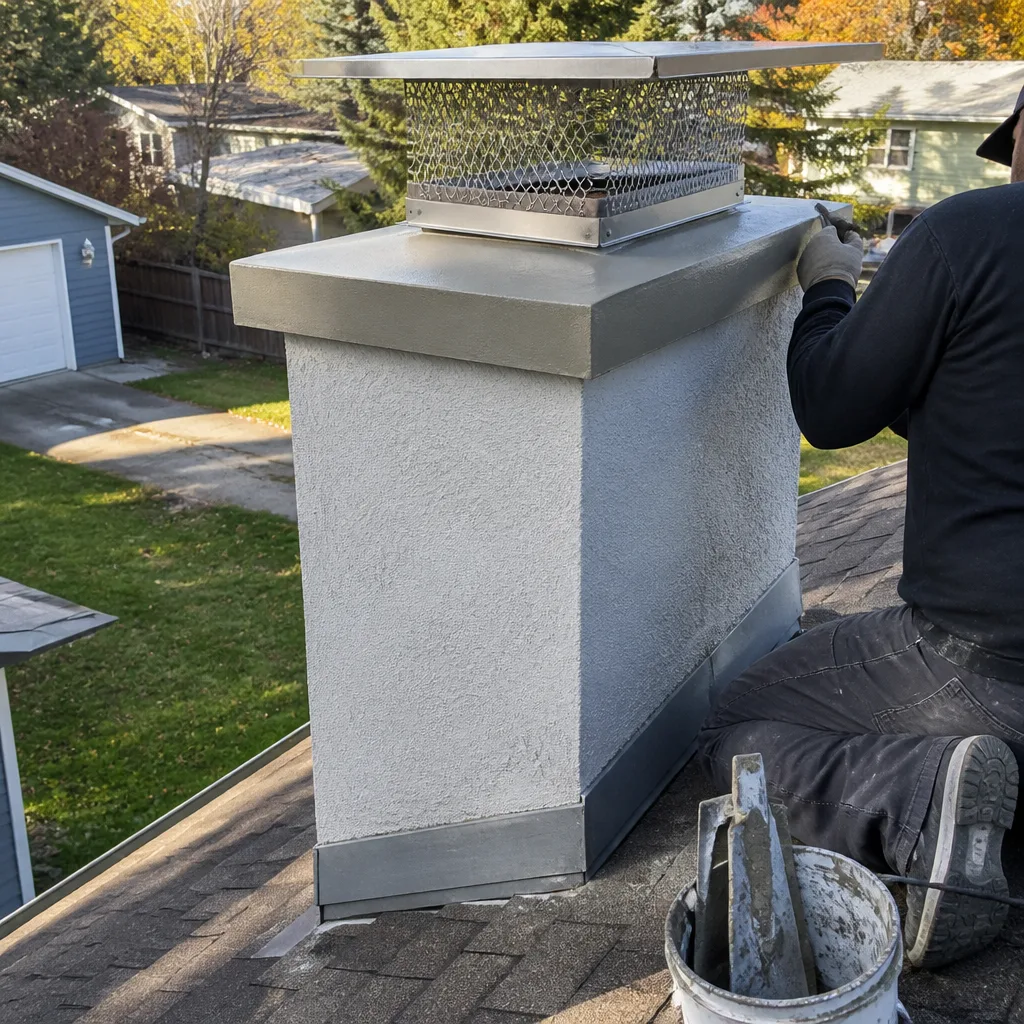
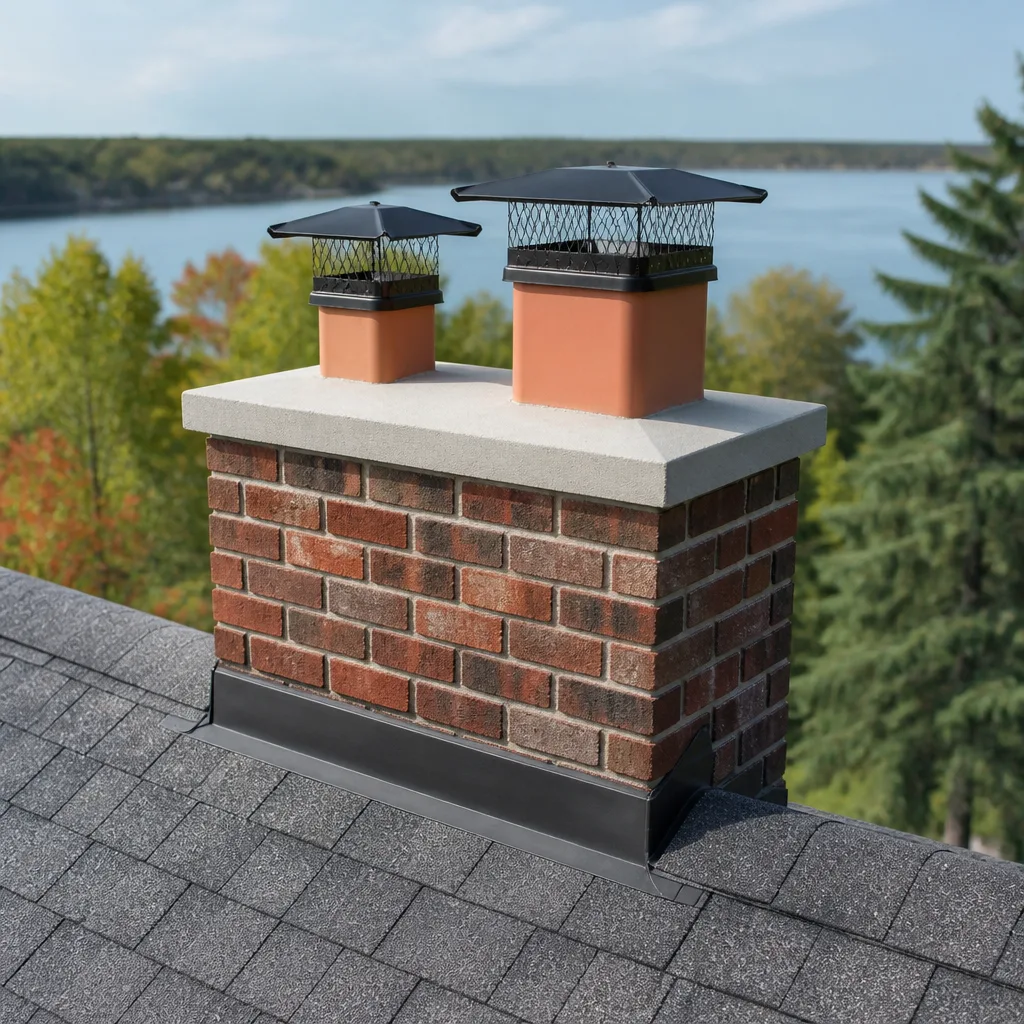 Caps & crowns
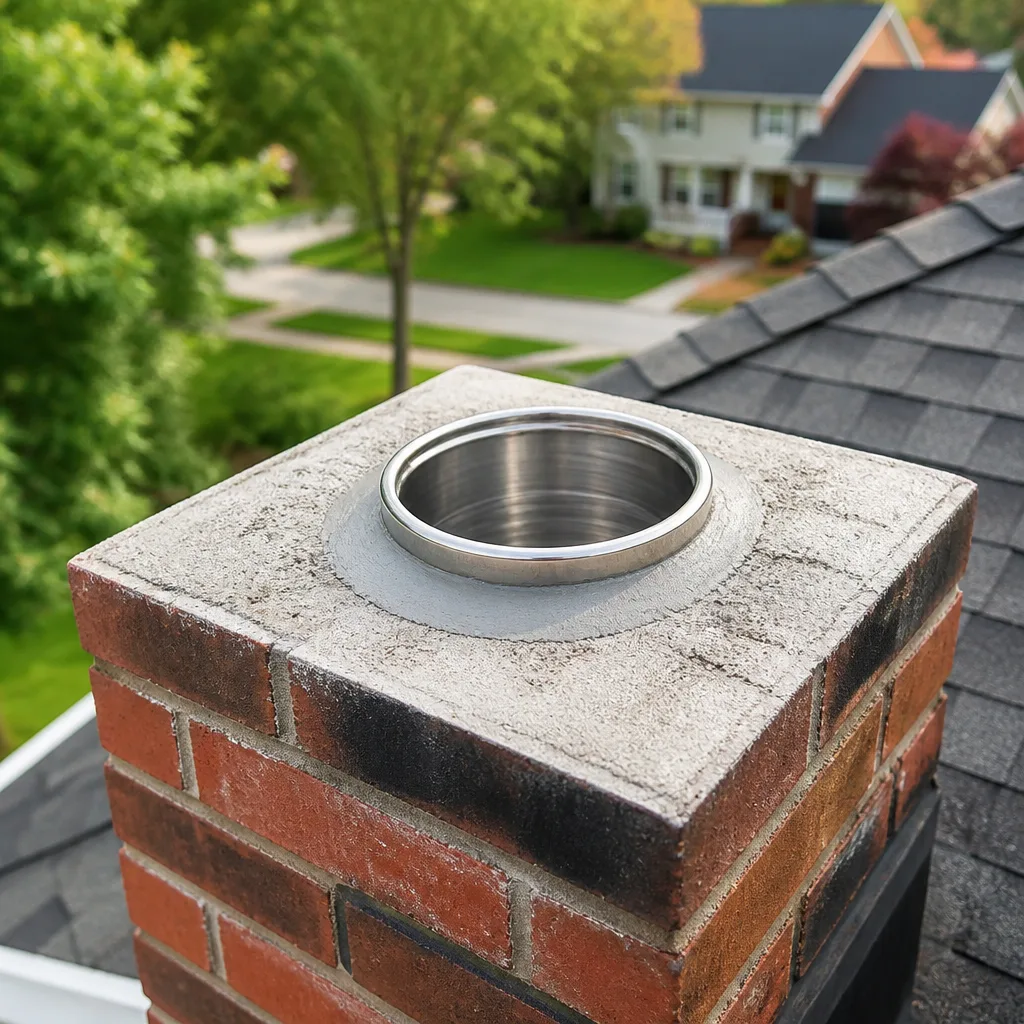 Flue relining
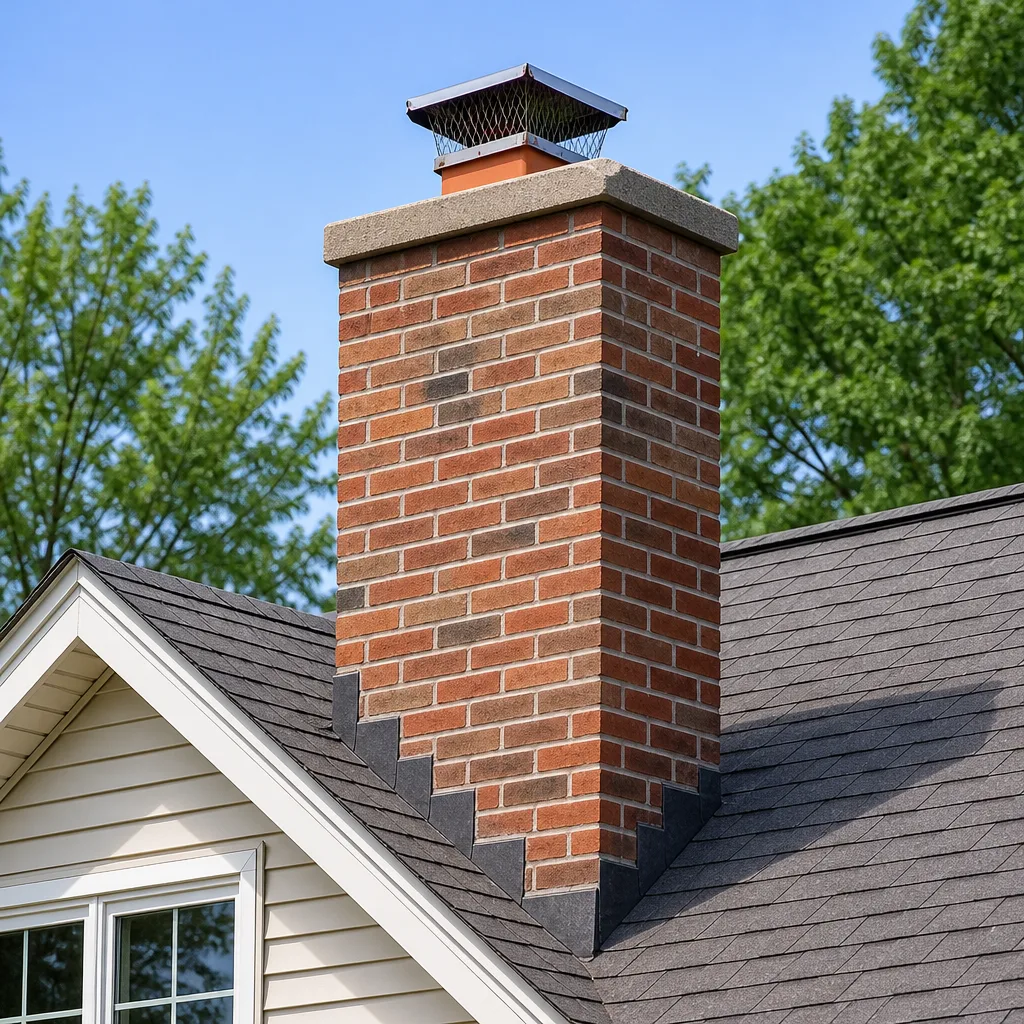 Masonry repair
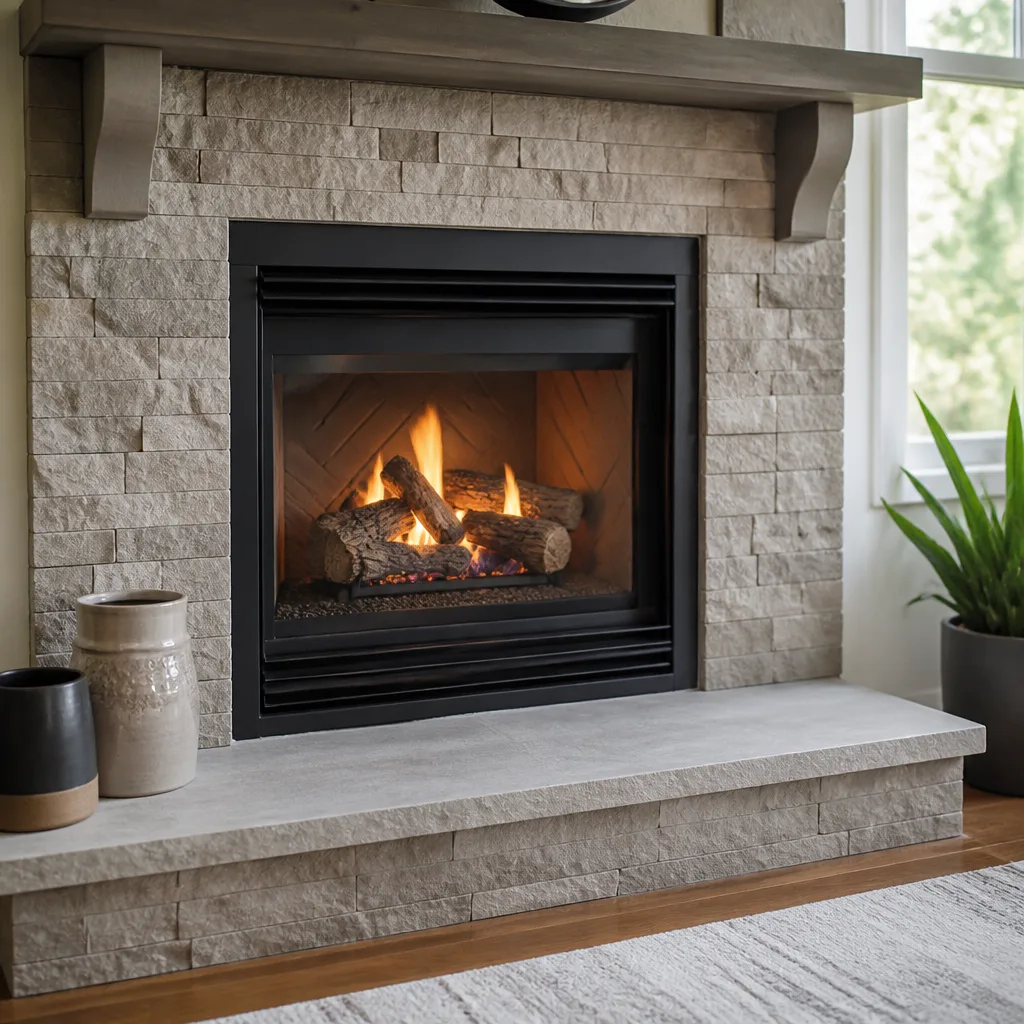 Gas fireplace service
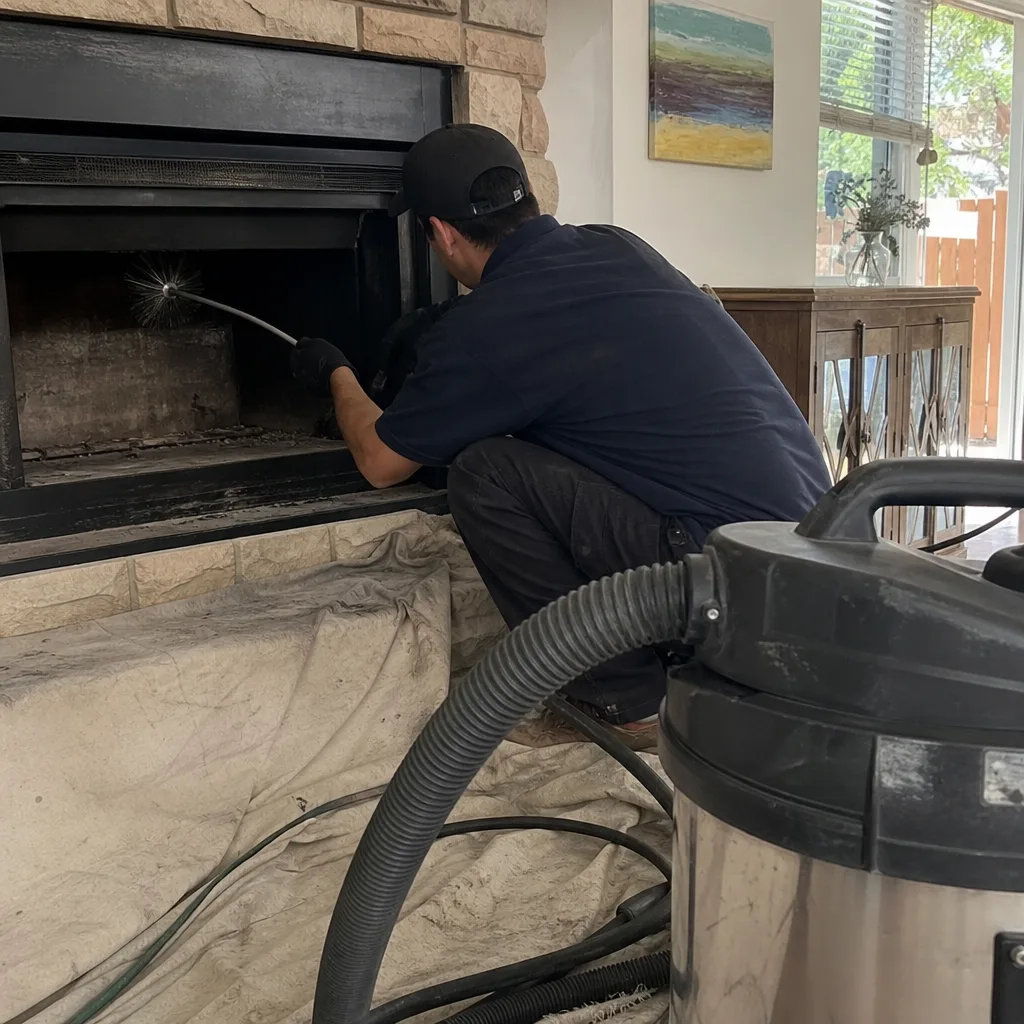
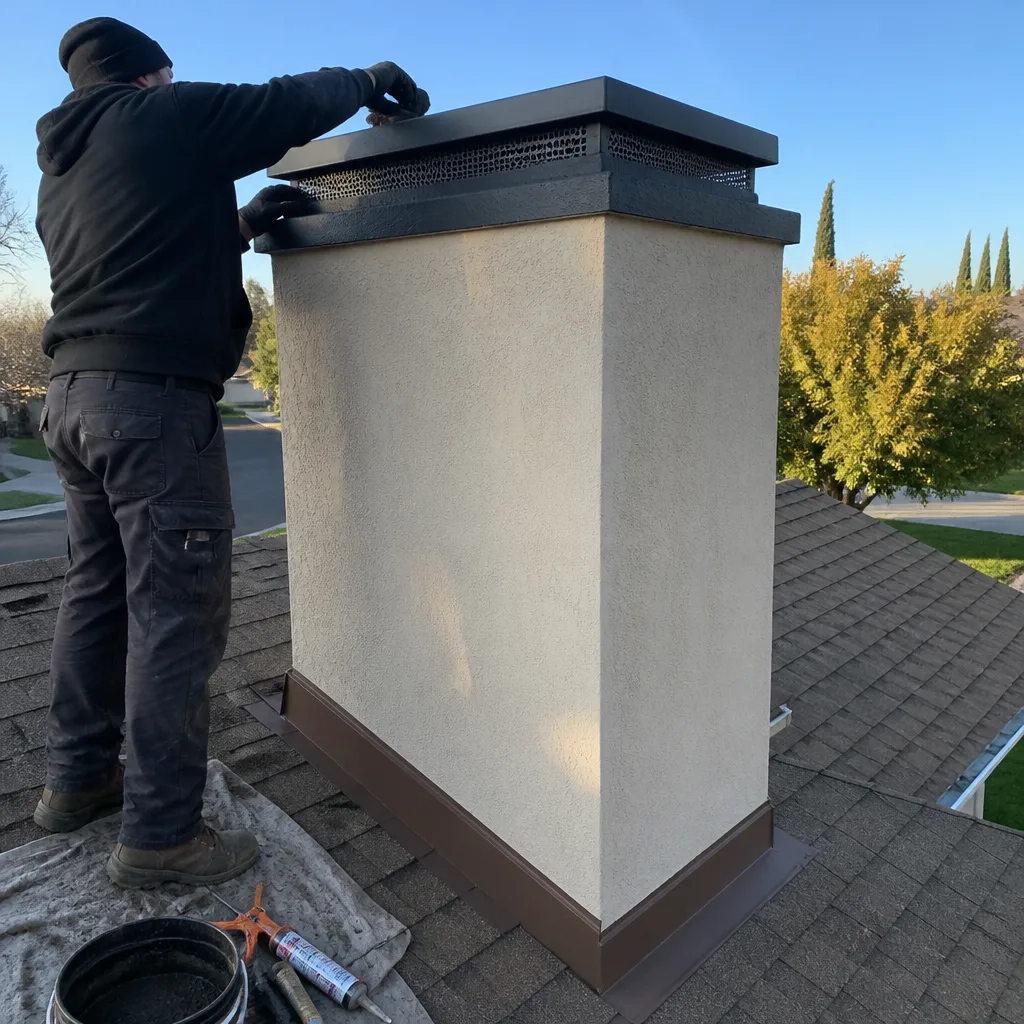
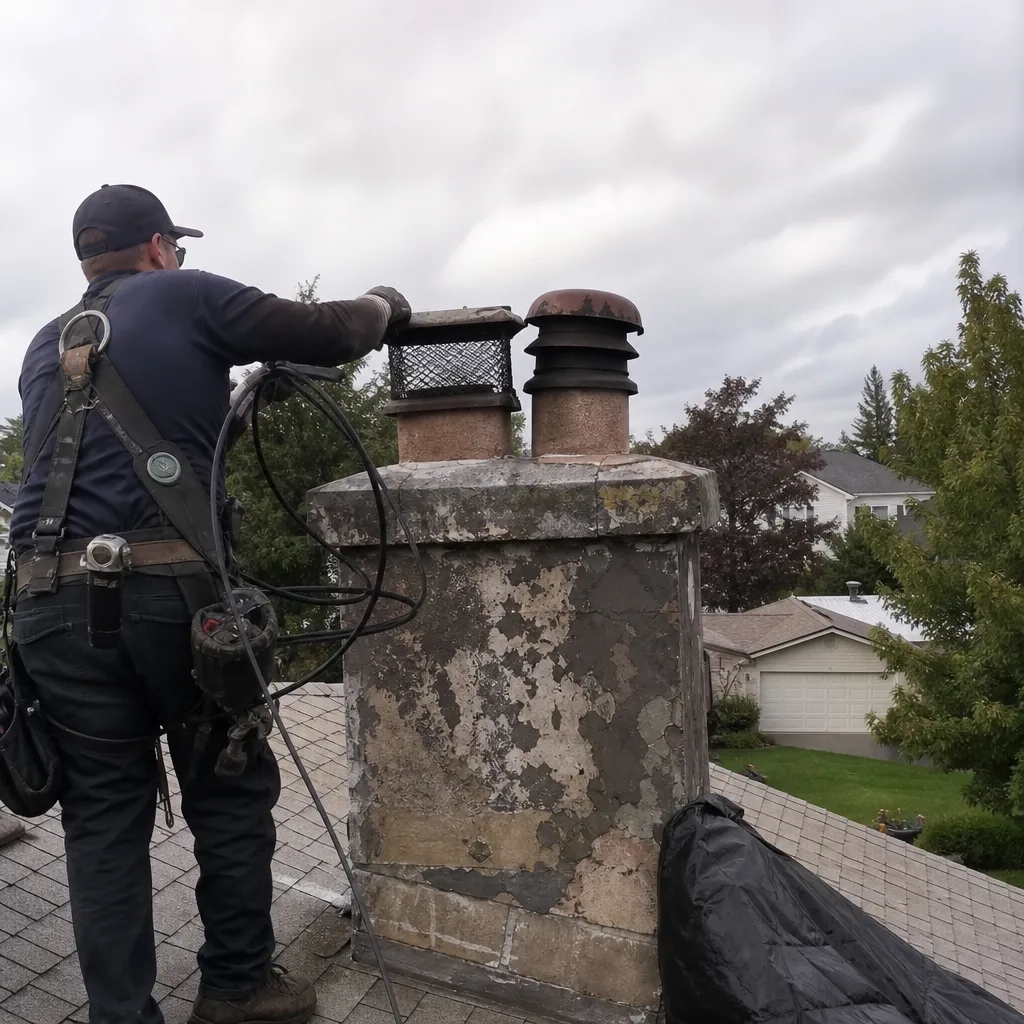
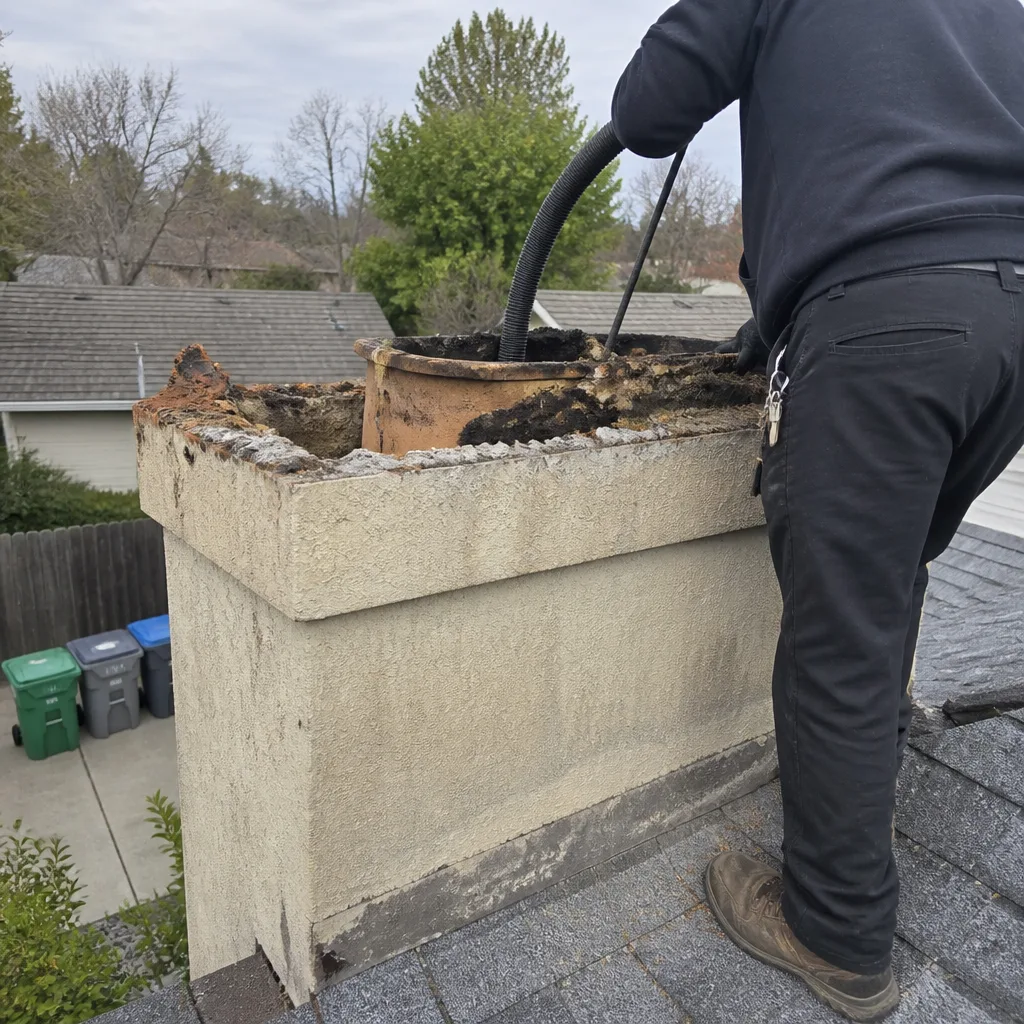
Level 1 sweep and inspection to the NFPA 211 annual standard - flue, crown, cap, and flashing checked and photographed
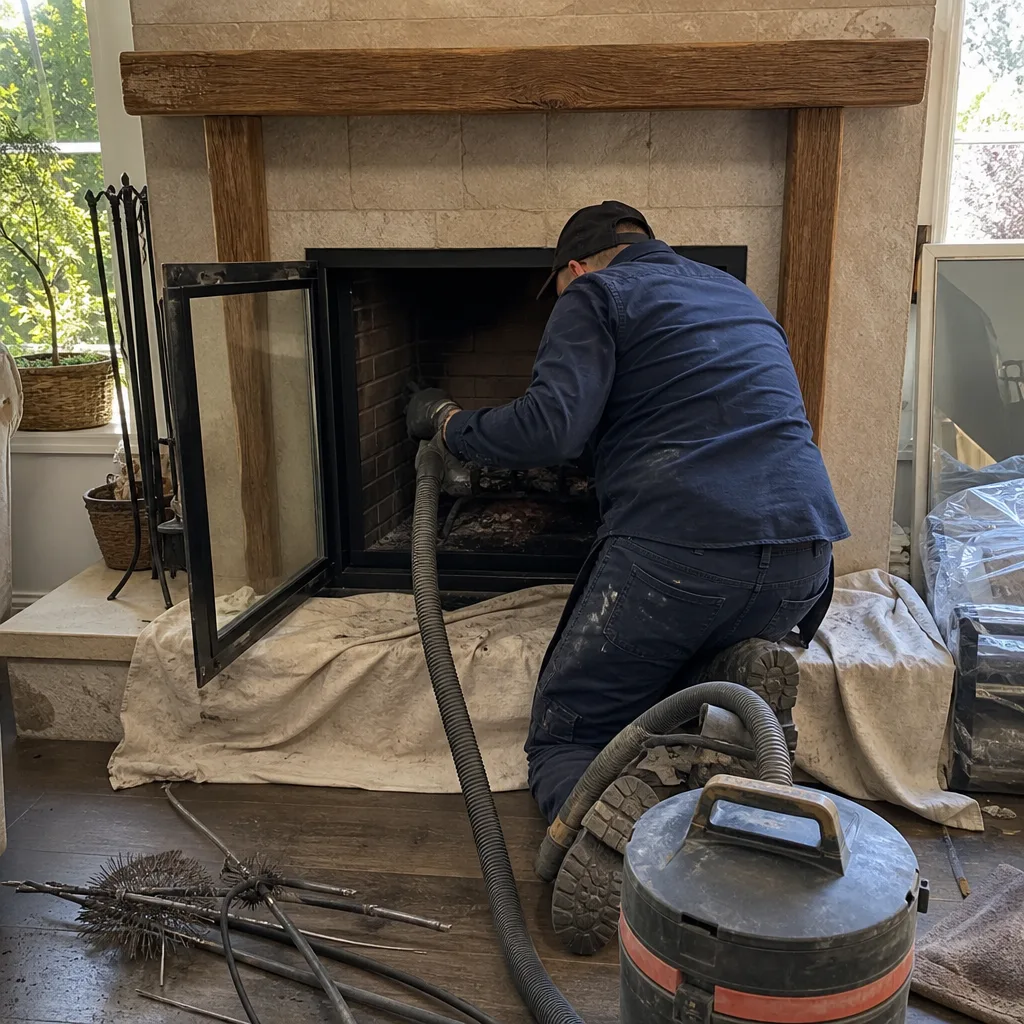
Chimney sweep logs do not sweep chimneys. They loosen some creosote - which then falls where a brush and vacuum still have to collect it.
How to Hire a Chimney Cleaning Contractor in Rancho Cordova: A Step-by-Step Guide
Here’s a fact most Rancho Cordova homeowners don’t know until it costs them: California does not require a state-issued license to operate as a chimney sweep. Anyone with a ladder, a brush, and a business card can legally advertise chimney cleaning services in your neighborhood. That $79 door-hanger special and a certified specialist charging $289 are playing by the same state rules. The difference sits entirely in training, equipment, insurance, and what happens if something goes wrong on your roof. This guide walks through the exact steps to separate the two, what questions to ask, which credentials matter in Rancho Cordova specifically, and how to read an estimate so you know what you’re actually paying for.
Styles & brands we work with
- Sweep & inspection
- Caps & crowns
- Flue relining
- Masonry repair
- Gas fireplace service
Quick Answer
To hire a chimney cleaning contractor in Rancho Cordova, verify that the company carries general liability insurance covering on-roof work, ask about CSIA or NFI certification (and what each covers for your specific appliance), request an itemized written estimate that separates cleaning from any repair recommendations, and confirm they use a HEPA-rated vacuum and camera inspection equipment. A qualified chimney specialist should be able to answer all of these questions directly, without hesitation, before any work begins.
Table of Contents
- Why California Licensing Won’t Help You (and What Actually Matters)
- CSIA vs. NFI Certification: What Each Actually Covers
- Insurance Requirements: The Questions That Protect Your Roof and Your Wallet
- Rancho Cordova Red Flags: What the Local Market Gets Wrong
- Equipment Questions That Reveal More Than Reviews Do
- How to Read a Written Estimate: Line Items, Bundles, and Hidden Scope
- The Step-by-Step Hiring Process
- Common Mistakes to Avoid
- When to Call a Professional
- Frequently Asked Questions
- The Bottom Line
Why California Licensing Won’t Help You (and What Actually Matters)
Most hiring guides tell you to “verify the contractor’s license.” In California, that advice fails for chimney sweeps. The Contractors State License Board (CSLB) does not issue a dedicated chimney sweep classification. A sweep working under a general building contractor license (Class B) or a specialty classification like C-61 might hold one, but plenty of legitimate, well-trained sweeps operate without any CSLB license at all because the state doesn’t require one for cleaning-only work. That’s not a loophole being exploited by bad actors. It’s simply the regulatory reality.
What this means for you: the license check you’d run for a plumber or electrician won’t screen anyone out. You need to screen differently. The three things that actually signal a qualified chimney professional in Rancho Cordova are:
- Certification from a national chimney organization (CSIA or NFI, covered in the next section). These are voluntary credentials. Someone who bothered to earn one has invested in their trade.
- General liability insurance with on-roof coverage. Many policies exclude roof work. If a sweep’s ladder damages your gutter or someone slips on your tile roof, you want to know whose insurance pays.
- Specialized equipment rather than generalist tools. A HEPA vacuum, rotary cleaning system, and inspection camera cost thousands of dollars. Door-hanger sweeps rarely carry them.
We’ve worked on hundreds of chimneys across Rancho Cordova, from Anatolia to Sunriver to the older homes near Coloma Road, and the pattern holds. The companies that invest in training and equipment are the ones that last. The ones that don’t disappear after the first rainy season.
CSIA vs. NFI Certification: What Each Actually Covers
CSIA stands for Chimney Safety Institute of America. NFI stands for National Fireplace Institute. Both are legitimate national certification bodies. They are not interchangeable, and knowing the difference helps you ask the right question for your specific setup.
CSIA Certified Chimney Sweep is the broadest credential in the industry. To earn it, a sweep must pass an exam covering chimney and venting system inspection, cleaning, and maintenance, including wood, gas, and oil systems. They must also agree to a code of ethics and complete continuing education. The CSIA certification is the one most often cited by insurance companies and the one that appears most frequently in manufacturer documentation. If you burn wood or pellets, or if you have a traditional masonry chimney, CSIA is the credential to ask about first.
NFI Certification comes in three flavors: NFI Woodburning Specialist, NFI Gas Specialist, and NFI Pellet Specialist. These are appliance-specific credentials. An NFI Gas Specialist knows gas log sets, gas inserts, and direct-vent systems inside and out. If your Rancho Cordova home runs a gas fireplace as its primary heat source, an NFI Gas Specialist credential carries more weight than a general CSIA certification. The NFI exams test deeper knowledge on a narrower subject.
Neither certification is required by law in California. Both require ongoing education to maintain. A company that holds either one is signaling that chimney work is their trade, not their side hustle. The strongest operators hold both or employ technicians with complementary credentials. If a sweep cannot tell you which certification they hold without pausing, treat that pause as an answer.
Insurance Requirements: The Questions That Protect Your Roof and Your Wallet
Here’s the scenario that plays out more often than anyone admits: a chimney sweep climbs onto a Sacramento-area roof in July, the tiles are brittle from a summer of 100-degree heat, one cracks, and the sweep says “not my problem.” Or worse: a ladder slips, a gutters gets torn off, and the homeowner discovers the sweep’s “fully insured” claim referred to auto insurance on the work van. It happens in Rancho Cordova. It happens in Folsom, in Citrus Heights, everywhere.
Ask these three questions before you book anything:
- What is your general liability coverage limit? You want at least $1 million. This is the standard for trade professionals. Anything less suggests a shoestring operation.
- Does your policy specifically cover on-roof work? This is the one most homeowners miss. General liability policies sometimes exclude roof access by default. A sweep should be able to answer this question immediately. If they stumble, ask them to check and get back to you before scheduling.
- Can you provide a certificate of insurance with me named as an additional insured? Reputable companies issue these routinely. It takes one phone call to their agent. Companies that resist this request are telling you something.
You should also confirm the company carries workers’ compensation insurance. If a worker is injured on your property and the company lacks workers’ comp, you can be drawn into a claim. This matters less for a solo operator who clearly works alone, but any company sending multiple technicians should have it.
Rancho Cordova Red Flags: What the Local Market Gets Wrong
Every region has its own patterns of bad actors, and the Sacramento area has a few that are particularly common. Knowing them protects you before the first phone call.
- Post-wildfire pop-ups. After major fire seasons, like the 2018 Camp Fire or the 2021 Caldor Fire, out-of-town crews appear in Rancho Cordova offering “smoke damage chimney inspections.” Some are legitimate. Many are not. They work a territory for a few weeks, collect deposits, and vanish.
- Door hangers with no physical address. A flyer with a phone number and a stock photo of a chimney is not a local business. Search the address. If it’s a P.O. box or a rented mailbox at a strip mall on Sunrise Boulevard, that tells you something about the operation’s permanence.
- Upsell pressure before the cleaning is complete. A sweep who finds problems is doing their job. A sweep who insists you need a $4,000 liner replacement before they’ve finished the $199 cleaning is doing something else. Legitimate companies clean first, document findings with photos, and let you decide.
- The “inspection is free, repair is mandatory” bait. This tactic hooks you with a free or deeply discounted inspection, then produces a list of urgent-sounding repairs. Some are real. Some are manufactured. The tell is whether they show you visual evidence you can verify yourself. We show homeowners exactly what we see through the camera, and you’ll get the same report we’d give an insurance adjuster.
- Cash-only pricing with no written estimate. A verbal quote with no paper trail is a red flag in any trade. In chimney work, where hidden damage is common, it’s disqualifying. Get everything in writing before work begins.
Equipment Questions That Reveal More Than Reviews Do
A five-star review tells you the customer liked the person who showed up. It doesn’t tell you whether that person had the right equipment to actually clean the chimney properly. Reviews measure customer service. Equipment questions measure competence. Here’s what to ask and what the answers reveal.
“Do you use a HEPA-rated vacuum?” This matters more than most homeowners realize. Chimney soot is fine particulate matter. It’s a respiratory irritant and, depending on what’s been burned, can contain creosote compounds. A HEPA-rated vacuum captures particles down to 0.3 microns. A standard shop vac does not. This question alone screens out a surprising number of generalist handymen who advertise chimney cleaning. The correct answer is yes. The equipment costs $800 to $2,000, which is why only dedicated sweeps own one.
“Do you use a rotary cleaning system or traditional rods and brushes?” Either can work when used by someone who knows what they’re doing. Rotary systems with poly or steel whip heads are faster and often more thorough on heavily creosoted flues. Traditional rods and brushes are fine for standard maintenance cleanings. The red flag is a sweep who doesn’t understand the question. If they don’t know what a rotary system is, they’ve likely never used one.
“Do you perform camera inspections as part of the service?” This is the single most revealing question. A camera inspection is how a sweep documents the condition of your flue liner, identifies hidden cracks or gaps, and gives you evidence of any repair recommendations. Companies that include camera inspections as standard are operating at a fundamentally different level than companies that clean without looking. The cost difference is real, and it’s worth paying. You cannot see the inside of a chimney from the hearth. If someone recommends a repair without camera evidence, ask how they know. They usually can’t say.
In our experience serving Rancho Cordova and the surrounding Sacramento suburbs, the difference between a $79 cleaning and a $250 cleaning is almost always the camera. One looks. One doesn’t. Which one would you rather have on your roof?
How to Read a Written Estimate: Line Items, Bundles, and Hidden Scope
A legitimate chimney cleaning estimate should be boring. It should itemize the scope of work in plain language, separate cleaning from any recommended repairs, and give you room to approve or decline each line. Estimates that bundle everything into a single “package price” are hiding something. Here’s how to parse one.
What a standard cleaning estimate should include:
- Level of inspection. The National Fire Protection Association (NFPA 211) defines three levels of chimney inspection. Level 1 is the standard for a routine cleaning when nothing has changed. Level 2 is required when you’re buying or selling a home, after a chimney fire, or after a seismic event. Level 3 is invasive and rare. Your estimate should state which level is included.
- Cleaning scope. Does the price cover the flue, smoke chamber, damper, and firebox? Or just the flue? A complete cleaning touches all four. Some lowball estimates cover only the flue and call it done.
- Disposal or cleanup provisions. Creosote and soot have to go somewhere. Confirm that cleanup and disposal are included in the price, not added after the fact.
- Any repair recommendations, itemized separately. A cracked flue tile, a deteriorating damper, or a chimney cap that needs replacement should each appear as its own line item with its own price, not folded into a “maintenance package.”
What bundled packages obscure:
When an estimate presents “Full Service Package: $599” with no breakdown, you can’t tell what the cleaning alone costs, what the repairs cost, and whether the repairs were even necessary. Bundles are a technique for hiding margin. A credible company has no reason to bundle. Our repair work at Bedrock Chimney Sweep uses the same approach we’d want as homeowners: a clean line for the sweep, a separate line for each repair, and photos showing exactly what each repair addresses. When you see a package with no itemization, ask for it. If they won’t provide one, move on.
One more Rancho Cordova note: if you have a gas fireplace in a newer home, a Level 1 inspection may be all that’s required, but only if the system was properly installed and no changes have been made. Gas log sets in older Rancho Cordova homes, especially those converted from wood-burning fireplaces, frequently have venting issues that a Level 2 inspection catches. Ask which level applies to your situation, not which one is cheapest.
The Step-by-Step Hiring Process
Here’s the entire process in order, from your first search to the completed cleaning.
- Search and shortlist. Start with a search for Chimney Sweep in Rancho Cordova. Build a list of three to five companies. Look for physical addresses, certification mentions, and service areas that include Rancho Cordova specifically, not just “Sacramento area.”
- Check certifications. Visit each company’s website and look for CSIA or NFI certification. If it’s not mentioned, call and ask directly. Note who answers clearly and who deflects.
- Verify insurance. Request a certificate of insurance. Ask specifically about on-roof coverage and workers’ comp. Do this before scheduling, not after.
- Ask the equipment questions. HEPA vacuum, rotary or traditional cleaning method, camera inspection. The answers will narrow your list quickly.
- Request a written estimate. Be specific: you want the cleaning scope itemized, the inspection level stated, and any repair recommendations listed separately. Decline bundle pricing.
- Compare the estimates side by side. Don’t just look at the total. Compare what’s included. A $289 estimate that includes camera inspection, full cleanup, and a Level 1 inspection is often a better value than a $149 estimate that covers “flue only.”
- Book the service. Once you’ve made your choice, confirm the date, the arrival window, and the payment terms. A deposit is normal for repair work; a cleaning should not require one upfront from a local company.
- Review the documentation. After the work is done, ask for photos or video from the inspection. If repairs were recommended, the company should be able to show you exactly what they saw. If they can’t, get a second opinion before approving any further work.
If you also have a dryer, this is a good time to have that vent checked too. Rancho Cordova homes with long dryer vent runs through the attic or under the slab accumulate lint that a standard cleaning won’t remove. A company that handles Dryer Vent Cleaning in Rancho Cordova as a core service can handle both in a single visit. Clothes dryer vents cause roughly 2,900 home fires per year in the U.S., and the leading cause is accumulated lint. It’s a safety issue most homeowners never think about until it’s too late.
Common Mistakes to Avoid
- Assuming a license requirement exists. California has no chimney sweep license. If you assume a licensed sweep is automatically qualified, you’re screening for something that doesn’t screen anyone. Focus on certification and insurance instead.
- Treating the lowest price as the smart purchase. A $79 cleaning is usually a door-opener for upsell pressure or a flue-only cleaning that skips the smoke chamber and firebox. You’ll pay either way. Paying for the full service up front is cheaper than paying for a partial cleaning plus a follow-up.
- Not asking about on-roof insurance coverage. Most homeowner complaints involving chimney work are about property damage: broken tiles, dented gutters, damaged flashing. If the sweep’s policy excludes roof work, you’re on your own. Ask before they climb.
- Accepting repair recommendations without camera evidence. A professional chimney inspection produces documentation. No documentation, no credibility. This applies whether the recommendation is a $200 chimney cap or a $5,000 liner replacement.
- Hiring based on review count alone. Reviews tell you about punctuality and courtesy. They don’t tell you about HEPA vacuums, camera inspections, or certification. Use reviews to screen for courtesy, then use the questions in this guide to screen for competence.
- Skipping the dryer vent because “it’s not a chimney.” A dedicated chimney company that also handles dryer vents is covering the whole exhaust system in your home. Vents are the other thing that moves hot air out of your house. Both need to be clean. Both can catch fire if they’re not.
- Waiting until November to schedule. Chimney companies book weeks out in the fall. Sacramento’s burn season starts in November, and the good companies fill their calendars by early October. Schedule in late summer and you’ll have your pick of dates. Wait until the first cold snap and you’ll take whoever has an opening, which is exactly how homeowners end up with a door-hanger crew.
When to Call a Professional
Some problems can be spotted from the ground. If you see black, shiny creosote dripping into the firebox, call before you light another fire. That’s a chimney fire waiting to happen. If you smell smoke in the house after a fire has burned down, or if you notice a smoky odor in rooms adjacent to the fireplace on windy days, something in the draft path has changed and it needs a look. If you’ve burned more than a cord of wood since your last cleaning, you’re due regardless of what the calendar says. If you just bought a home in Rancho Cordova and the seller didn’t provide a recent chimney inspection, schedule one before you use the fireplace for the first time. If your gas fireplace logs are sooty, the flames are yellow instead of blue, or the glass is fogging over, those are combustion and venting problems, not cosmetic issues. If it’s been more than a year since anyone looked at your chimney, that’s the simplest reason of all. Bedrock Chimney Sweep offers free estimates in Rancho Cordova, call (877) 752-8010 and we’ll get you on the schedule when it works for you.
Frequently Asked Questions
A standard chimney cleaning in Rancho Cordova typically costs between $189 and $349 depending on the chimney’s condition, the inspection level included, and whether the company uses professional-grade equipment like HEPA vacuums and inspection cameras. A lowball $79 or $99 price usually means a flue-only cleaning with no camera inspection. Call (877) 752-8010 for an exact quote based on your chimney’s size and condition, estimates are free.
The National Fire Protection Association (NFPA 211) says chimneys should be inspected annually and cleaned when creosote accumulation reaches 1/8 inch or more. For most wood-burning homeowners in Rancho Cordova who use their fireplaces regularly, that translates to a cleaning every year or every cord of wood burned. Gas fireplaces need less frequent cleaning but should still be inspected annually for venting integrity and carbon monoxide safety.
CSIA certification is voluntary in California, not required. The state has no chimney sweep licensing requirement, which means uncertified individuals can legally advertise and perform chimney cleanings. The fact that a company bothered to earn voluntary certification is a signal of commitment to the trade, but you should also verify insurance and equipment on top of any certification claim.
You need a Level 2 inspection if you are buying or selling the home, if the chimney has experienced a chimney fire, if the system has been modified, or if an earthquake or major weather event has potentially damaged the structure. Level 2 includes accessible attic and crawl space evaluation and can involve video scanning. In Rancho Cordova, where older homes near the American River Parkway frequently change hands, a Level 2 inspection is standard during and after home purchases.
A chimney sweep is a dedicated specialist who works on chimneys and venting systems for a living, carries specialized equipment like rotary cleaning systems and HEPA vacuums, holds professional certifications, and maintains insurance coverage for on-roof work. A handyman who cleans chimneys is a generalist who owns a brush. Both can legally operate in California. The difference shows up in what they can see, what they can clean thoroughly, and what happens if something goes wrong.
A dedicated chimney company should be able to address the problems found during an inspection, but the repair quote should always be itemized separately from the cleaning with photo or video evidence for each recommended repair. Bedrock Chimney Sweep provides Chimney Repair in Rancho Cordova as a full service, so when a camera inspection finds cracked flue tiles, a damaged damper, or deterioration in the smoke chamber, we handle the repair without a referral runaround. The evidence comes first, the quote comes second, and you decide what gets repaired.
The Bottom Line
Hiring a chimney cleaning contractor in Rancho Cordova comes down to a handful of specific questions: What certification do you hold and what does it cover? Does your insurance include on-roof work? Do you use a HEPA vacuum and camera inspection? Can you give me an itemized written estimate? A company that answers all of these clearly is a specialist. A company that can’t is a gamble. There’s no licensing requirement to protect you, so the screening has to come from you. Whether you’re in a newer Anatolia home with a gas fireplace or an older Rancho Cordova neighborhood with a traditional masonry chimney, the standards are the same. Ask the questions. Verify the answers. Get the evidence. Your chimney will be cleaner and your house will be safer for it.
For a free estimate on chimney cleaning, chimney repair, or dryer vent cleaning, call (877) 752-8010 or visit the Bedrock Chimney Sweep home page to learn more about how we work.
Written by the team at Bedrock Chimney Sweep, serving Rancho Cordova since 2014.
See the difference
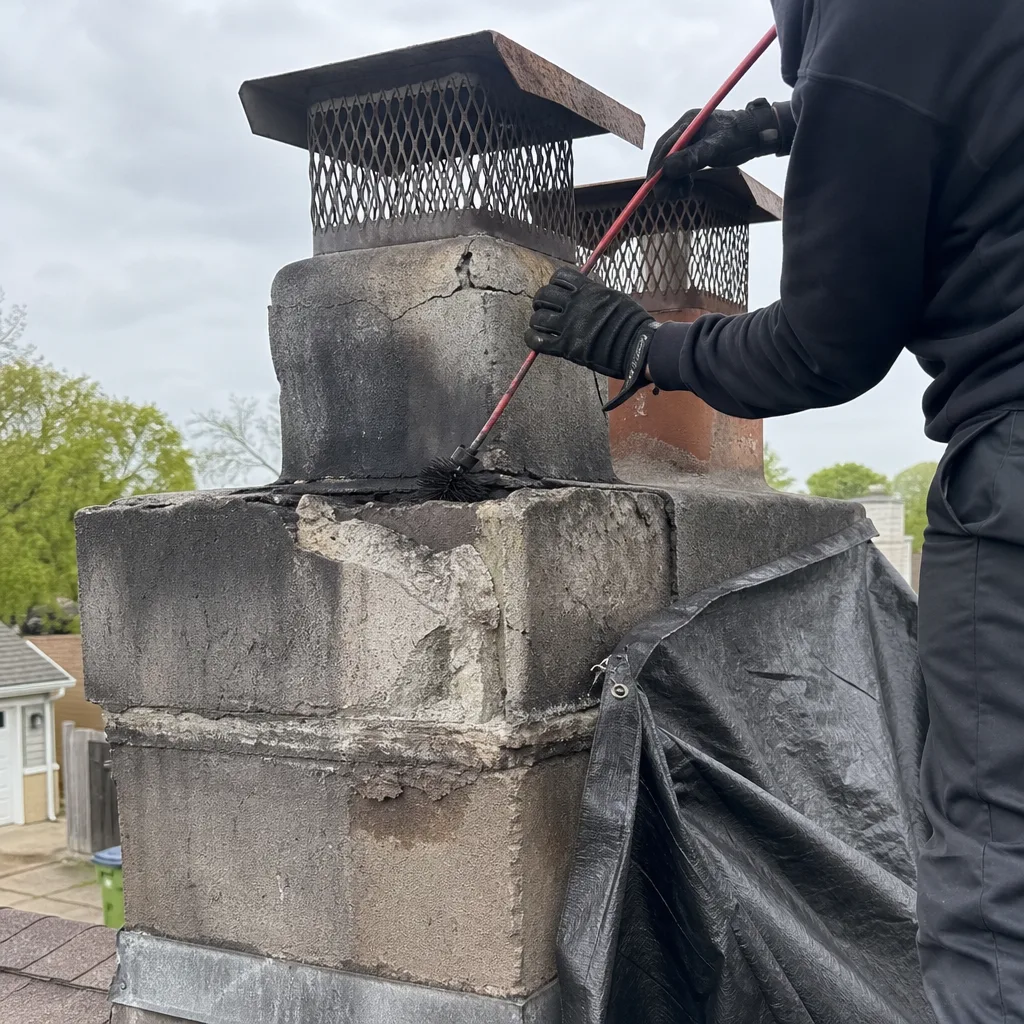 Before
 After
 Before
 After
 Before
 After